
Image: The Hindu
Discover the implications of the two-phase West Bengal elections set for April 2026. What does this mean for voters and political parties?
GlipzoIn a significant change from previous election formats, the Election Commission of India announced on March 15, 2026, that the upcoming West Bengal Assembly elections will take place in just two phases. This decision marks a departure from the multi-phase elections that characterized the previous assembly elections, notably the eight-phase election in 2021 during the COVID-19 pandemic.
The first phase of voting is scheduled for April 23, when 152 Assembly constituencies will cast their votes. The remaining 142 constituencies will follow suit on April 29. This streamlined approach aims to enhance the electoral process in the state, allowing for a more focused and less chaotic voting experience.
Major political entities have responded positively to the announcement of the two-phase elections. The ruling Trinamool Congress (TMC) and the main opposition party, the Bharatiya Janata Party (BJP), have both expressed their anticipation for the upcoming electoral battle.
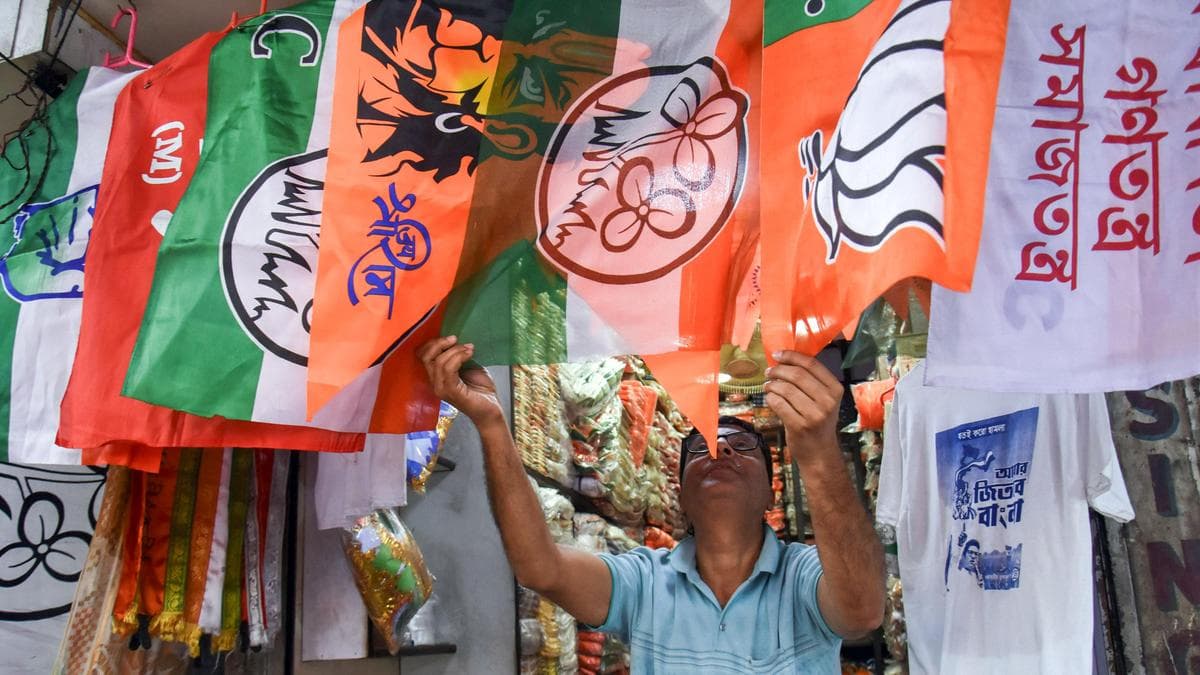
In a sharp critique of the BJP, the TMC took to social media to question how many phases it would take for the people of Bengal to completely reject what they refer to as the “Bangla-Birodhi” BJP. Their slogan, #AbarJitbeBangla, emphasizes their confidence in a favorable outcome.
Conversely, Samik Bhattacharya, the president of the BJP’s West Bengal unit, praised the Election Commission’s decision. He stated, “The people of West Bengal are ready to bring down the current regime,” and reaffirmed the BJP’s commitment to implementing the Seventh Pay Commission for government employees and providing a ₹3,000 monthly payout for women through the Annapurna Lakshmir Bhandar Scheme.
Despite the excitement surrounding the upcoming elections, a pressing issue looms large: the status of approximately 60 lakh voters who remain in limbo. These individuals find themselves under judicial adjudication, and their ability to participate in the elections is uncertain.
Although Chief Minister Mamata Banerjee has not publicly commented on this situation, Mohammad Salim, the state secretary of the Communist Party of India (Marxist), has voiced serious concerns. He stated, “The Constitution guarantees rights to citizens of this country to contest elections.” Salim highlighted the implications for those voters, explaining that their inability to provide valid voter details on nomination forms could prevent them from running for office, even if they are later included in supplementary lists published by the Commission.
The Chief Election Commissioner Gyanesh Kumar assured the public that a supplementary list of electors currently under adjudication would be published following Supreme Court directives, raising hopes for those affected.
In addition to voter eligibility issues, the elections have raised alarms regarding potential voter intimidation. Senior Congress leader Pradip Bhattacharya expressed his worries about the atmosphere leading up to the elections, emphasizing the need for a fair and secure environment for voters.
To ensure safety and maintain order during the electoral process, around 480 companies of Central forces have already been deployed across West Bengal. This move is part of broader confidence-building measures aimed at reassuring voters about their safety at polling stations.
The Election Commission is also addressing the recent violent incidents that occurred in Kolkata, particularly in the Girish Park area, where allegations surfaced concerning an attack on the residence of West Bengal Minister Shashi Panja by BJP supporters. The Commission has sought an explanation from the Commissioner of Police, Kolkata, and the District Election Officer (Kolkata North) regarding the lack of visible Central forces during the violence.
As the election dates draw nearer, political parties are expected to finalize and announce their candidates in the coming days. The two-phase election format is anticipated to energize the political landscape, with parties gearing up for intense campaigning.
The focus will now shift to how candidates address the pressing issues of voter rights and intimidation, as well as how they plan to engage the electorate amidst ongoing concerns about violence and election security.
Looking ahead, the public will be watching closely to see how the political dynamics unfold in the lead-up to the elections. The effectiveness of the Central forces in maintaining peace, along with the resolution of voter eligibility issues, will be critical factors that will shape the outcome of the 2026 West Bengal Assembly elections.
In conclusion, as West Bengal prepares for this pivotal electoral moment, the decisions and actions taken by political parties and authorities will undoubtedly have lasting implications for the state’s governance and democratic process.

Tensions soar as the US and Iran engage in air strikes near the Strait of Hormuz, raising concerns over global oil supply and regional stability.
BBC World
Trump's international interventions face serious stalemates. What will this mean for U.S. foreign policy? Explore the critical challenges ahead.
Indian Express
Tehran denies resignation of President Masoud Pezeshkian amid claims of IRGC influence. What does this mean for Iran's political stability? Click to learn more!
Indian Express