

Image: Mint (Business)
India is set to allow allopathic distributors to stock homeopathic medicines, expanding access to alternative treatments in the nation’s healthcare market.
GlipzoIn a groundbreaking initiative, India is set to expand access to homeopathic medicines by allowing allopathic drug wholesale dealers to distribute these alternative treatments. This move is part of a broader strategy to enhance availability in the world’s third-largest pharmaceutical market, valued at approximately $50 billion. Currently, the homeopathy sector is a modest $847 million but is on the brink of significant growth.
The proposal, spearheaded by the Ministry of Ayush, was recently discussed by the Drugs Technical Advisory Board (DTAB) of the Drug Controller General of India (DCGI). The objective? To amend Schedule K of the Drugs and Cosmetics Rules of 1945 to facilitate the distribution of homeopathic drugs through allopathic retailers. This initiative aligns with the ministry's ongoing efforts to revitalize traditional healthcare systems across India, which include Ayurveda, Yoga, Unani, Siddha, and Homeopathy.
The intent behind this exemption under Schedule K is clear: to increase the accessibility of homeopathic medicines to the general public. Allopathic retail outlets are often more widespread compared to specialized homeopathic stores, making it challenging for consumers to access these alternative treatments. According to documents reviewed by Mint, the government aims to leverage existing allopathic distribution networks to ensure a steady supply of homeopathic products.
As it stands, the supply chains for allopathic and homeopathic medicines operate in silos, presenting hurdles for retailers trying to stock homeopathic drugs. An insider from the ministry stated, “By allowing allopathic wholesalers—who possess a more robust and expansive distribution network—to carry these products, the government wants to ensure that the supply chain of homeopathic medicines in allopathic retail stores is consistently maintained.”
In a recent meeting, the expert committee established by the Ministry of Ayush in 2024 evaluated the availability of homeopathic drugs, particularly in remote areas. Their recommendations have been submitted to the Central Drugs Standard Control Organization (CDSCO). The DCGI, which is under the Union health ministry, is responsible for overseeing these recommendations.
The committee concluded that sealed homeopathic drugs do not require specialized storage conditions, allowing them to be stored alongside allopathic medicines. This simplifies distribution, enabling local pharmacies to stock a variety of drugs without investing in new facilities or equipment. The official highlighted, “This move also promotes ease of doing business.”
The All India Organization of Chemists and Druggists (AIOCD), representing over 1.24 million members across the country, has expressed cautious optimism about this proposal. Rajiv Singhal, the organization’s general secretary, mentioned, “We have considered homeopathy as a completely different segment from ours until now. However, if the government allows us to sell these medicines, we have no problem with it.” He emphasized that their role would be business-to-business (B2B), only supplying homeopathic products to retailers.
On the other hand, the Homoeopathic Medical Association of India (HMAI) has welcomed the initiative but expressed concerns regarding the sale of homeopathic medicines by untrained personnel. Dr. A.K. Gupta, secretary general of HMAI, stated, “We appreciate the intent of DTAB to improve the availability and accessibility of homeopathic medicines, especially in remote and underserved areas.” However, he warned that unrestricted sales could compromise the scientific integrity of homeopathic practices.
As this proposal moves forward, all eyes will be on the implementation process and how it will transform the landscape of healthcare in India. The anticipated expansion of homeopathy through allopathic retail channels could lead to:
This initiative marks a pivotal moment for alternative medicine in India, with the potential to alter consumer habits and expand the options available for healthcare. The government and stakeholders will need to navigate the challenges ahead carefully, ensuring that the integrity of homeopathy is maintained while improving access for all.
In the coming months, we can expect to see discussions surrounding regulatory frameworks and best practices for the integration of homeopathic products into allopathic retail environments. The success of this initiative could set a precedent for how alternative medicines are perceived and utilized across the country, opening doors for further innovations in healthcare delivery.

Shocking findings from Nottingham's maternity unit reveal a toxic culture and alarming neglect. What can be done to improve care? Discover the details.
BBC Health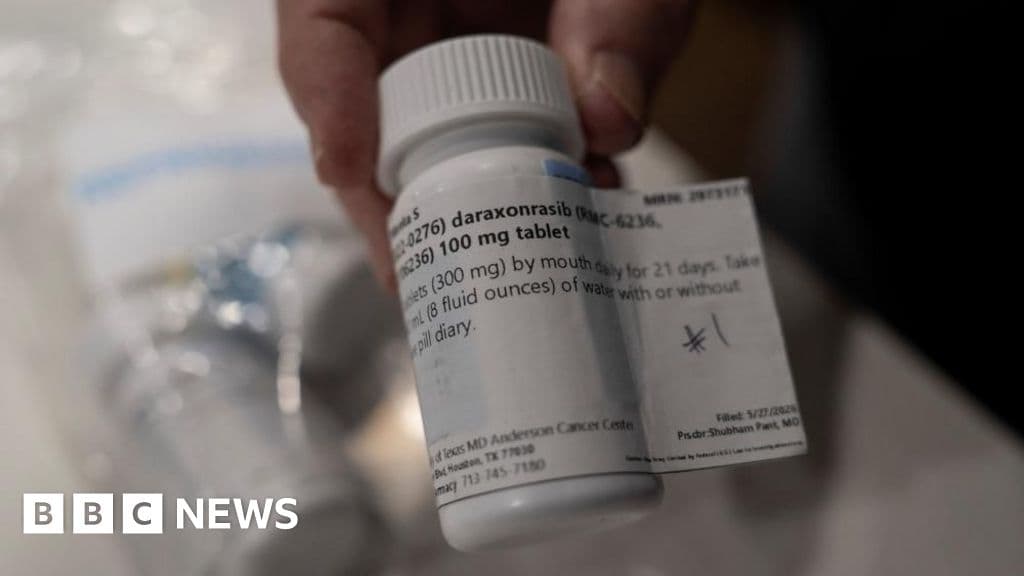
Discover how daraxonrasib, a new pill, is nearly doubling survival rates for pancreatic cancer patients, offering hope in a challenging battle against this deadly disease.
BBC Health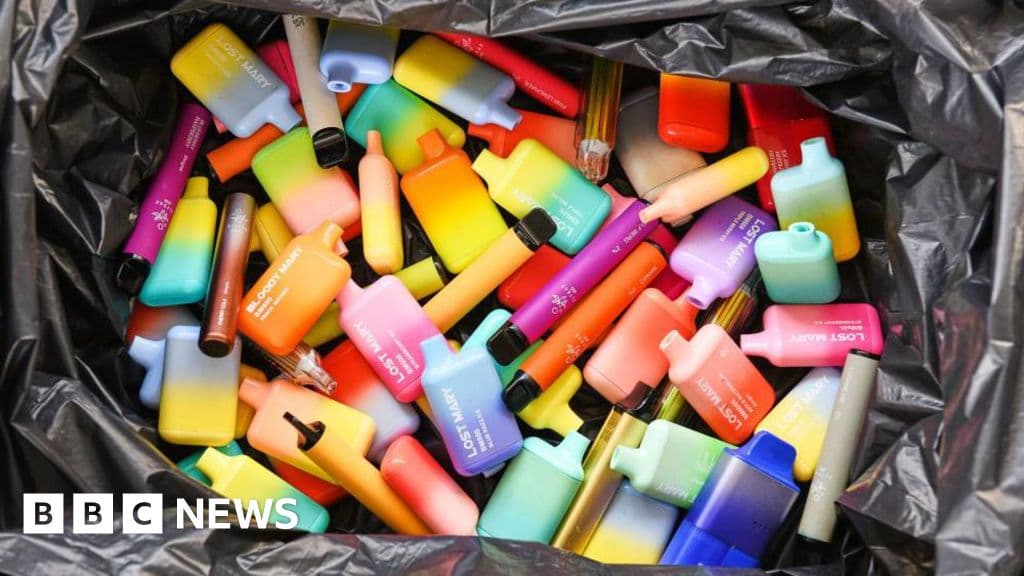
Waste companies propose a £5 deposit on vapes to encourage proper disposal and curb littering as the environmental impact of vapes increases.
BBC Business