
Image: BBC Business
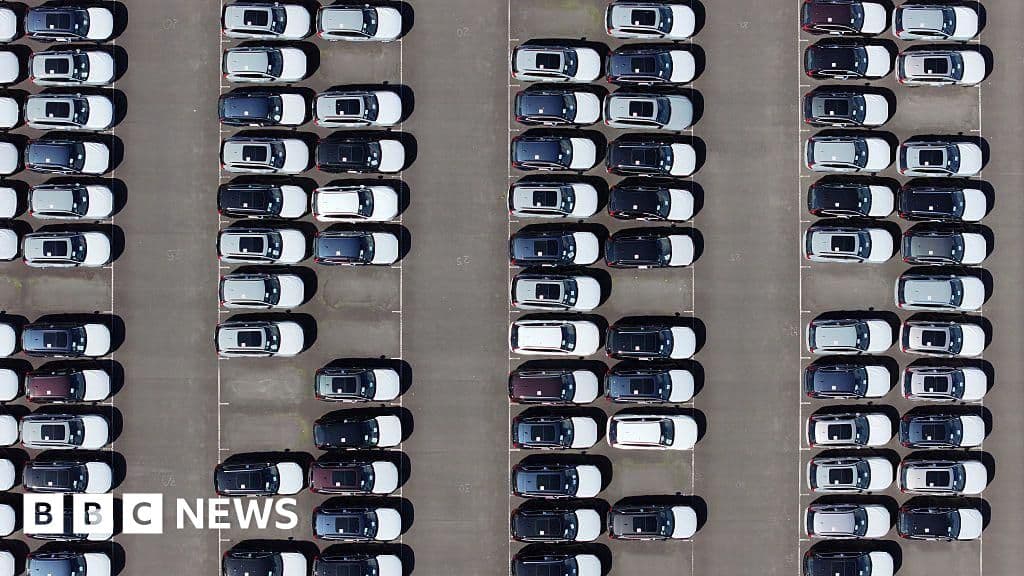
Explore the surge of Chinese car imports in the UK market and how it impacts local manufacturers. What will this mean for consumers and the future of the automotive industry?
GlipzoThe Agratas factory will produce essential battery cells for the electric vehicle lineup of Jaguar Land Rover, marking a significant step towards the UK's commitment to electric mobility. But as the local industry evolves, it faces unexpected competition from an unlikely source: China.
This surge in Chinese car sales comes at a time when the UK government is actively promoting investments in electric vehicle infrastructure. During a recent visit to the Agratas site, Business Secretary Peter Kyle announced a substantial £380 million grant aimed at bolstering the UK's automotive sector. In light of these developments, questions arise: are the influx of Chinese imports beneficial or detrimental for UK consumers and the government?
Kyle drew parallels between the current situation and the 1990s Japanese auto industry, suggesting that the UK could benefit from welcoming foreign investment if the conditions are favorable. However, this optimism comes alongside a sobering reality: the UK's car production has halved over the past decade, raising alarms about the domestic industry's ability to compete effectively.
Reform UK’s Robert Jenrick echoed these sentiments, claiming that British manufacturers are struggling against unfair competition from Chinese firms. He warned that if the situation persists, his party would advocate for tariffs and quotas to safeguard jobs across the country.
Countries like Canada have also adjusted their policies, with Prime Minister Mark Carney retracting tariffs on certain Chinese electric vehicles. Meanwhile, Spain has embraced Chinese leadership in the electric vehicle sector, attracting significant factory investments as a result.
Moving forward, stakeholders will be watching closely how the UK responds to the growing dominance of Chinese manufacturers. Will the government implement measures to protect local car makers, or will it continue to embrace foreign competition as a catalyst for innovation and consumer choice? The answers to these questions will not only define the future of the British automotive sector but could also influence the broader economic landscape in the years to come.
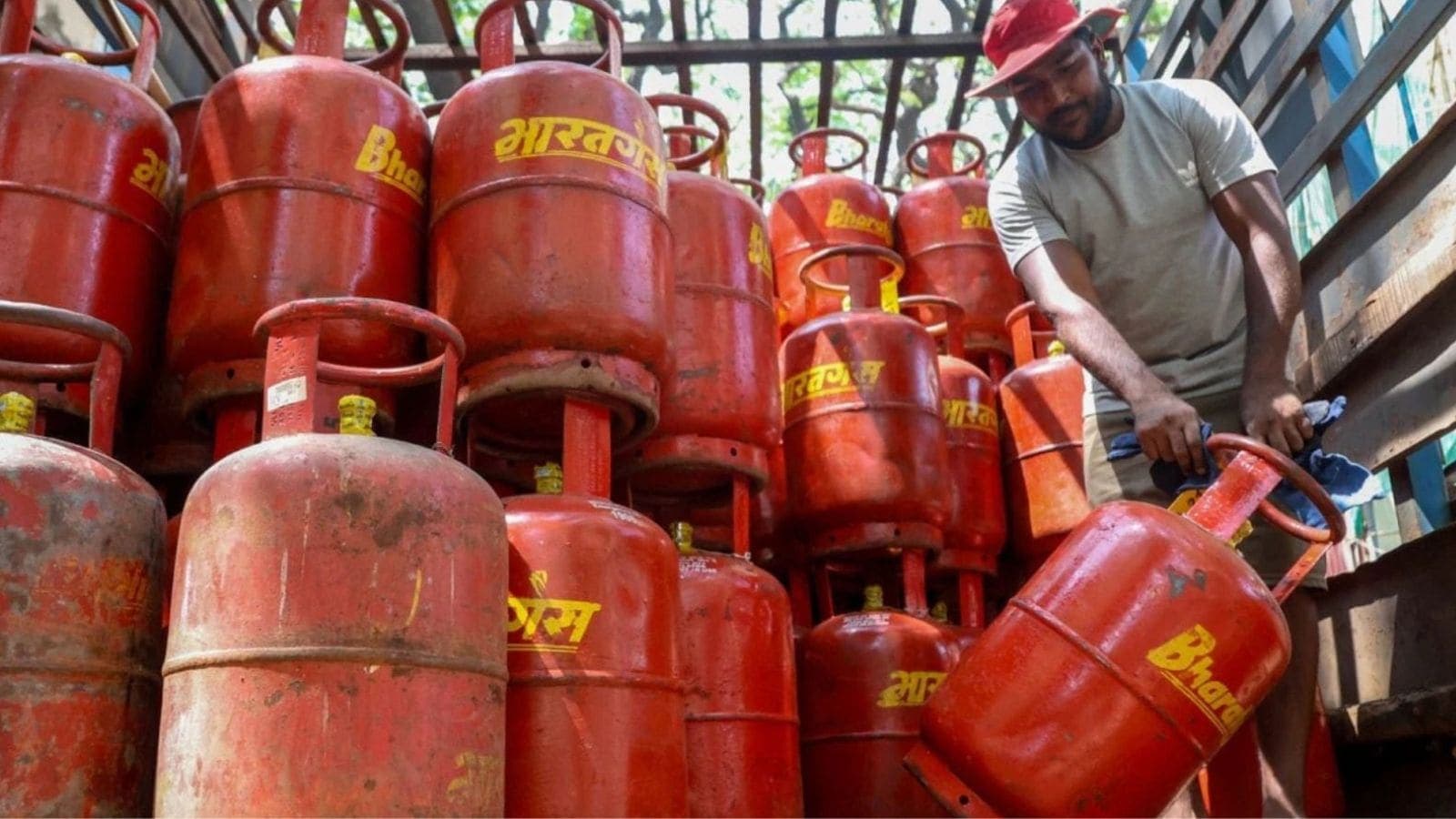
Commercial LPG prices have risen again, with increases of ₹42 in Delhi and ₹53.50 in Kolkata impacting businesses and consumers alike. Find out more.
Indian Express
Discover how a tragic coal mine explosion in Shanxi, China, reveals ongoing safety concerns in the industry amidst a push for green energy.
BBC Business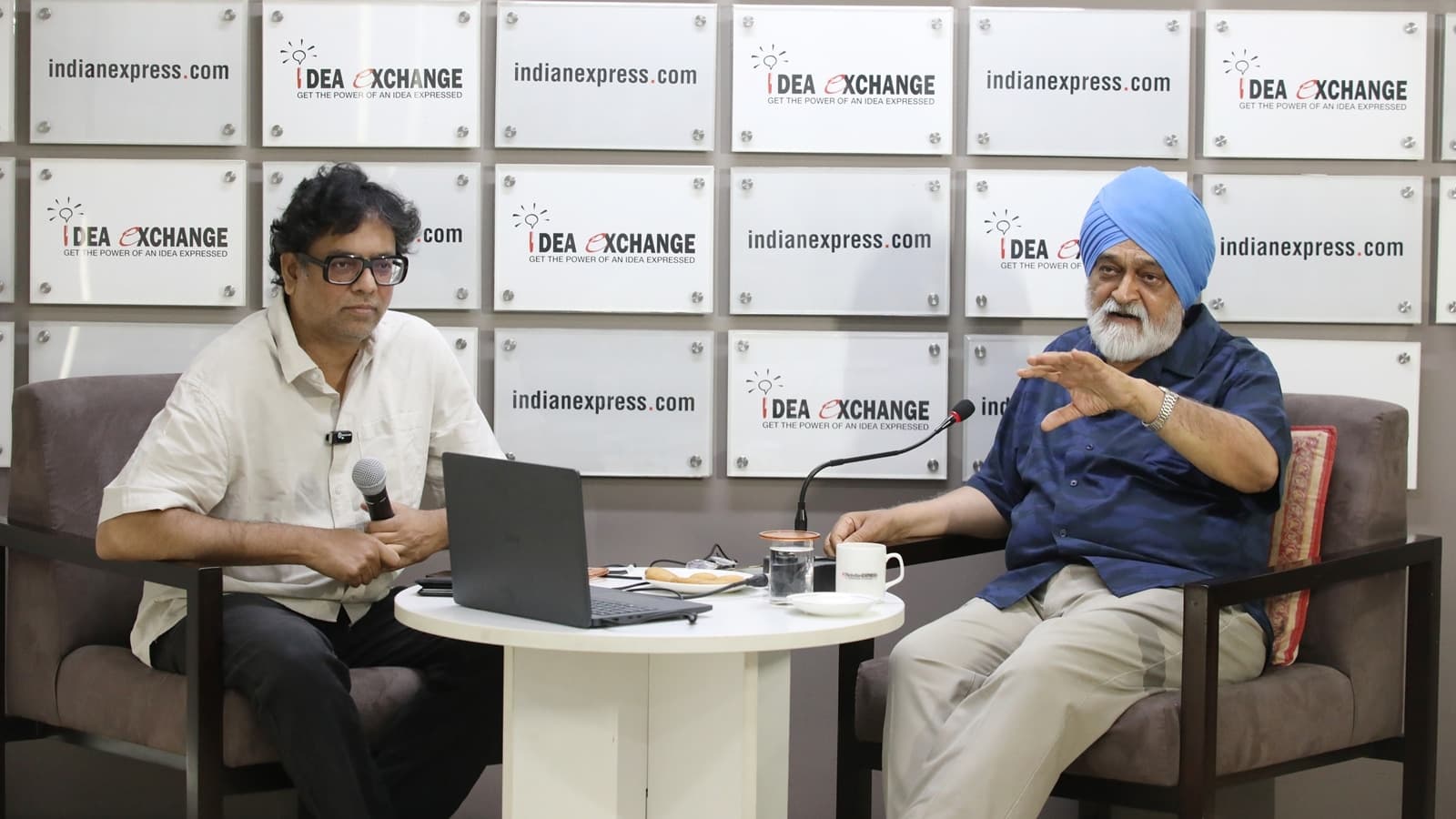
Montek Singh Ahluwalia highlights key economic challenges for India, emphasizing the need for a strategic approach to balance payments and investment.
Indian Express