
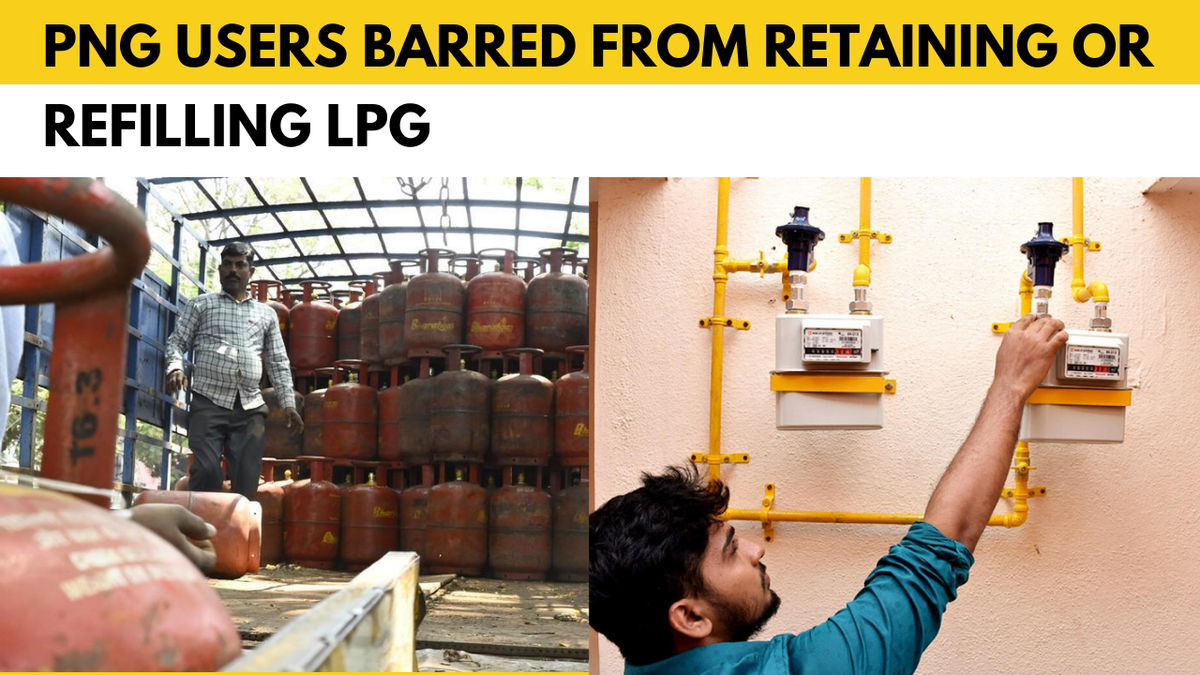
Image: The Hindu
Explore the Indian government's new restrictions on PNG connections that could impact safety and energy access for users starting March 15, 2026.
GlipzoThe Indian government has introduced new regulations that will prevent users from retaining or refilling their Piped Natural Gas (PNG) connections. This pivotal change, effective immediately, comes amid concerns regarding safety and environmental regulations associated with the energy sector. With the announcement made on March 15, 2026, at 10:37 AM IST, the move is expected to impact countless households and businesses relying on PNG for their energy needs.
The decision to restrict PNG connections is rooted in a broader initiative aimed at enhancing safety measures in the energy sector. According to officials, the government’s focus is on mitigating risks associated with gas leaks and accidents which have been a growing concern in recent years. With an alarming uptick in incidents related to gas connections, the government believes these restrictions are necessary to protect public safety.
Under the new guidelines, users will no longer be able to: - Retain their existing PNG connections without undergoing a safety compliance check. - Refill their PNG systems, which could lead to significant disruptions in service for many users.
The regulations are part of a comprehensive review of energy policies in India, where the government is looking to transition towards safer and more sustainable energy solutions. Officials have stated that the government's priority remains the safety of its citizens, and these steps are seen as critical to achieving that goal.
The impact of these new regulations will be felt immediately, especially in urban areas where PNG is a primary source of energy for cooking and heating. Users will have to adjust to these changes, which may include: - Higher costs: Many users may need to transition to alternative energy sources, which could be more expensive. - Service interruptions: As compliance checks are rolled out, many may experience delays in service.
This development is significant not only due to its impact on daily life but also because it reflects the government's commitment to improving safety standards within the energy sector. As India continues to expand its energy infrastructure, the emphasis on safety and environmental considerations is becoming increasingly important. This could set a precedent for future regulations in other sectors as well.
As users grapple with these new restrictions, it’s essential to stay informed about compliance requirements and potential alternatives. The government has promised to provide resources to assist households and businesses in adapting to these changes. Here’s what users should watch for: - Updates from government agencies regarding compliance procedures and safety checks. - Workshops and informational sessions aimed at educating users about alternative energy solutions.
The ongoing safety concerns within the energy sector indicate that this may not be the last of the changes to PNG regulations. Industry experts predict that further adjustments could be made as the government evaluates the effectiveness of these new rules. Users should remain vigilant and adaptive, ready to embrace whatever new regulations may come next.
In conclusion, while the restrictions on PNG connections may pose challenges for many, they underline a critical shift towards a safer and more sustainable energy future in India. As the government continues to evolve its policies, the focus on safety will likely reshape the energy landscape for years to come.

Tensions soar as the US and Iran engage in air strikes near the Strait of Hormuz, raising concerns over global oil supply and regional stability.
BBC World
Trump's international interventions face serious stalemates. What will this mean for U.S. foreign policy? Explore the critical challenges ahead.
Indian Express
Tehran denies resignation of President Masoud Pezeshkian amid claims of IRGC influence. What does this mean for Iran's political stability? Click to learn more!
Indian Express