

Image: The Hindu
Discover how India's digital readiness for energy efficiency has reached 80%, surpassing global standards, according to a new ABB report. What does this mean for the future?
GlipzoIn a groundbreaking report released on March 17, 2026, by ABB, it has been revealed that digital readiness towards energy efficiency in India has reached 80 percent, surpassing the global average of 67 percent. This significant achievement places India in a leading position among its international peers regarding the adoption of energy-efficient practices in the industrial sector. The report, based on a survey conducted with 2,700 senior decision-makers across 15 countries and various industries, underscores the increasing importance of energy efficiency as a crucial aspect of corporate strategy.
The findings show that nearly 64 percent of Indian respondents have already made investments in energy efficiency, while an additional 32 percent are planning to do so within the next year. Despite this high level of intent, many organizations are struggling to translate these ambitions into tangible results due to execution gaps and operational challenges.
Energy costs represent a significant portion of operational expenses, averaging 28 percent in India. Furthermore, a staggering 72 percent of companies report that escalating energy prices pose a major threat to their profitability, particularly in light of ongoing market volatility. This perception in India contrasts sharply with the global average, where only 59 percent of companies express similar concerns. The report highlights that while companies are eager to invest in energy-efficient technologies, the challenge has shifted from merely responding to price increases to managing steady price fluctuations and structural vulnerabilities.
Amit Gupta, Local Division President of Motion Services at ABB India, stated, “In India, the conversation around energy efficiency has matured from only a cost-saving tactic to a critical pillar of long-term business strategy.” He emphasizes that the next competitive edge will belong to those organizations that effectively bridge the execution gap between data analytics and operational implementation of energy efficiency.
Despite the impressive digital readiness, the report indicates that only 41 percent of Indian firms consistently apply the total cost of ownership (TCO) framework when making investment decisions, even though 80 percent acknowledge its importance. This discrepancy highlights a significant hurdle in achieving sustainable energy efficiency across the sector.
Additionally, responsibility for energy efficiency is often fragmented among various departments, including executive management, operations, sustainability, maintenance, and finance. This lack of clear accountability can hinder cohesive strategies, making it essential for organizations to integrate energy efficiency into their core operations.
According to Amit Gupta, the barriers to achieving energy efficiency have evolved. While cost was once a primary concern, its significance has diminished from 50 percent in 2022 to 43 percent today. The current obstacles include organizational silos, skill shortages, and inadequate data utilization. These challenges necessitate a shift in how businesses approach energy efficiency, moving towards actionable, repeatable execution strategies.
The survey also identified key barriers faced by Indian companies, including: - 42 percent cite workforce resistance to new technology as a major hurdle. - 42 percent report a lack of specialist resources. - 41 percent indicate insufficient digital skills among staff.
An alarming trend identified in the report is the risk of ‘post-renewables complacency.’ Among the 42 percent of Indian organizations that have transitioned to renewable energy sources, 36 percent have reported a diminished focus on energy efficiency initiatives. While renewable energy sources contribute to reducing carbon intensity, they do not automatically lead to reduced energy consumption, leaving substantial efficiency improvements untapped.
This complacency could result in missed opportunities to enhance organizational resilience, manage long-term costs, and mitigate exposure to energy market volatility. The ongoing energy transition in India will hinge on the ability of companies to not only adopt renewable sources but also to pursue energy efficiency rigorously.
When asked about their motivations for investing in energy efficiency, Indian respondents highlighted several key factors: - Reducing energy costs (53%) - Lowering carbon footprints (43%) - Enhancing resilience and competitiveness (40%)
These motivations reflect a growing recognition of the multifaceted benefits of energy efficiency, which extend beyond mere cost savings to encompass sustainability and competitive positioning in the market.
As India continues to advance its energy efficiency agenda, the next phase of the industrial energy transition will be characterized by enhanced delivery capabilities. Organizations must prioritize not just the adoption of technology but also the cultivation of a culture that fosters sustainable practices and effective execution.
Looking ahead, it will be crucial to monitor how businesses address the gaps in execution and accountability. The ability to turn intent into repeatable, actionable strategies will determine which organizations secure a competitive advantage in an increasingly volatile energy landscape. As the industrial sector evolves, stakeholders must remain vigilant about the ongoing challenges and opportunities presented by energy efficiency initiatives in India.
In summary, while the progress made thus far is commendable, the journey towards achieving comprehensive energy efficiency is far from over. Stakeholders should prepare for a landscape where successful execution becomes the defining factor for businesses aiming to thrive in a rapidly changing energy environment.
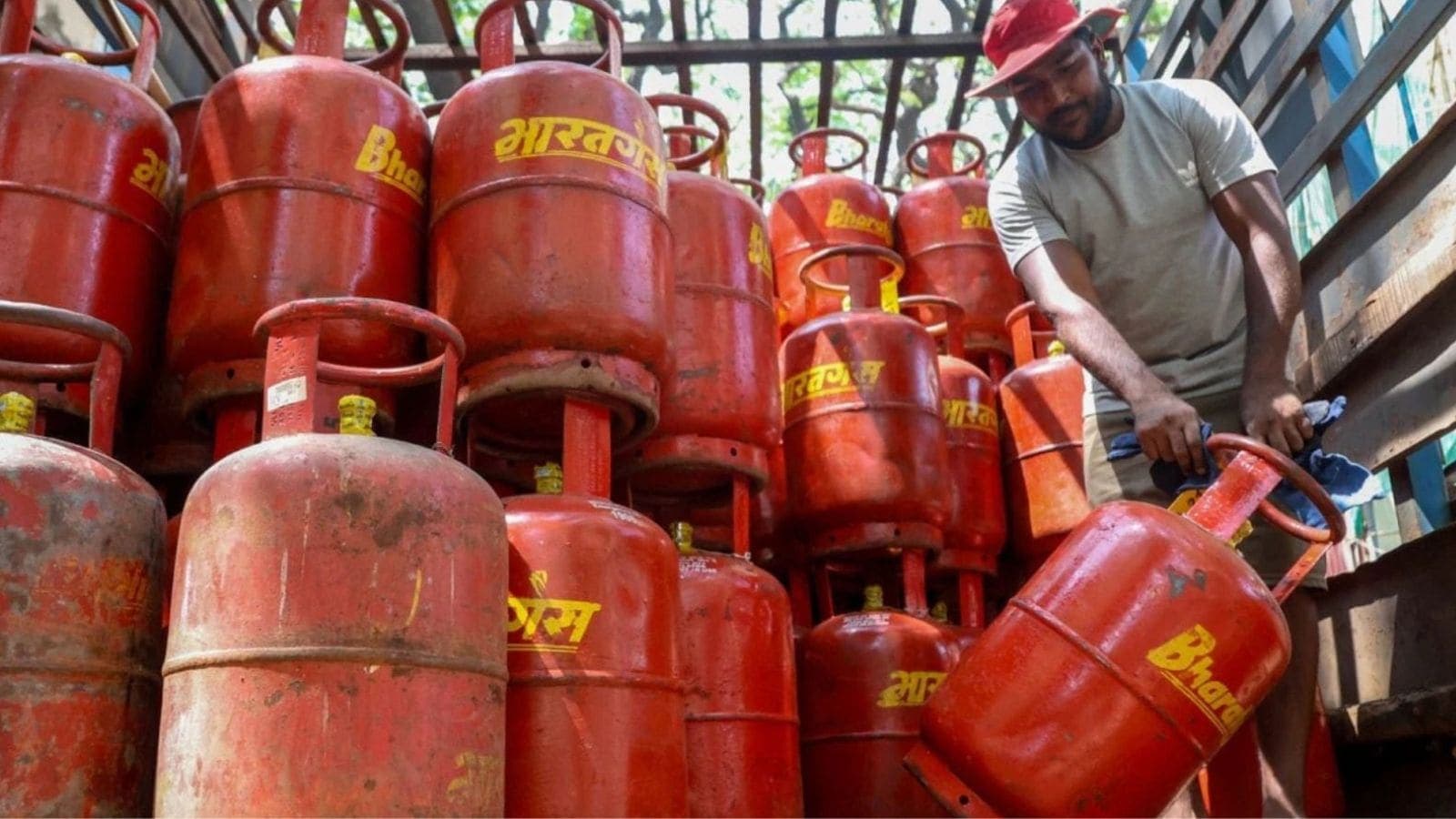
Commercial LPG prices have risen again, with increases of ₹42 in Delhi and ₹53.50 in Kolkata impacting businesses and consumers alike. Find out more.
Indian Express
Discover how a tragic coal mine explosion in Shanxi, China, reveals ongoing safety concerns in the industry amidst a push for green energy.
BBC Business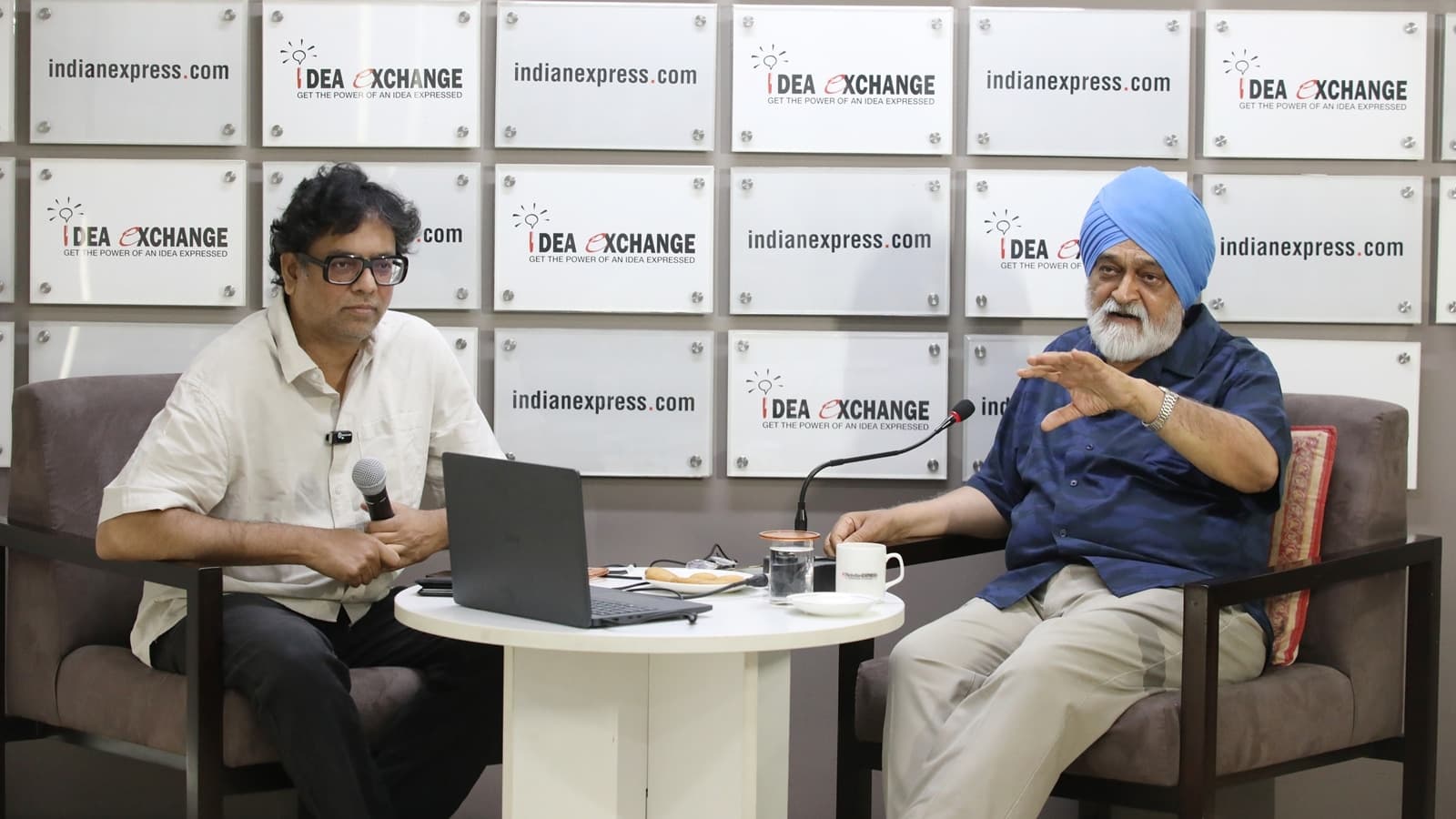
Montek Singh Ahluwalia highlights key economic challenges for India, emphasizing the need for a strategic approach to balance payments and investment.
Indian Express