
Image: BBC Health
Amy-Jane Davies' struggle on six NHS waiting lists reveals a critical healthcare crisis ahead of Wales' elections. What does this mean for the future?
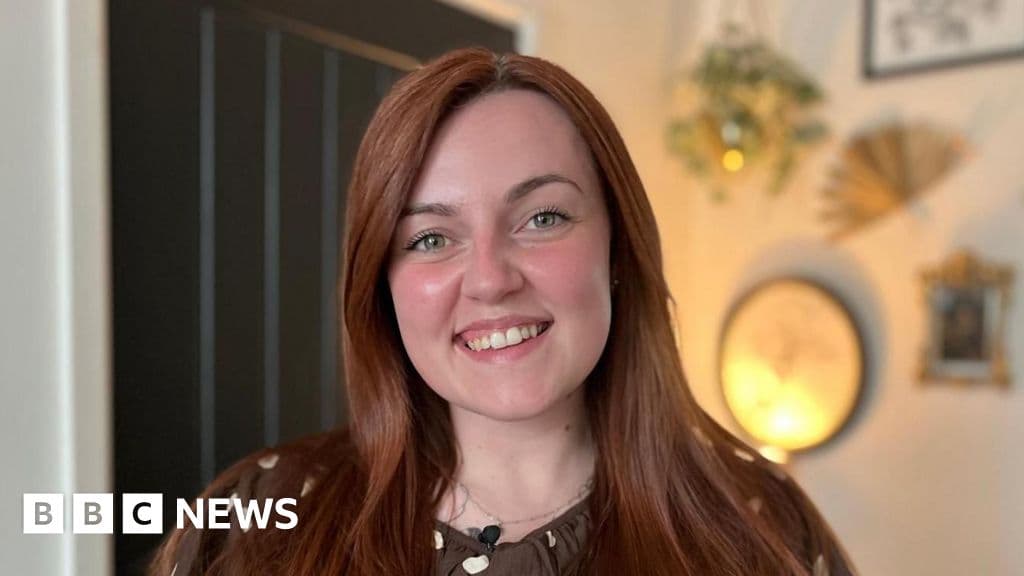
GlipzoAmy-Jane Davies, a 30-year-old woman from South Wales, finds her life consumed by the struggles of being on six different NHS waiting lists. For the past 21 months, she has been anxiously awaiting gynaecological surgery that she desperately needs due to her diagnosis of endometriosis. This condition, which causes cells similar to those in the lining of the womb to grow elsewhere in the body, has significantly impacted her daily life, work, and personal aspirations.
Despite being one of 43,120 individuals on the gynaecology waiting list in Wales, Amy-Jane’s situation is emblematic of a far broader issue plaguing the NHS: an astonishing 687,958 patients are currently waiting for treatment across all specialties. The challenges this poses are profound, and with the upcoming Senedd elections on May 7, waiting times have emerged as a critical issue for the next Welsh government.
Since her diagnosis in 2018, Amy-Jane has experienced a range of debilitating symptoms, including abdominal pain, severe bloating, migraines, and issues with her bladder and bowel. The impact of these symptoms has forced her to cut back on work hours and reconsider her dreams of motherhood.
“During the pandemic, waiting times for gynaecology treatments ballooned to eight to ten years. At that point, I knew I couldn't wait that long for treatment,” she explained, reflecting the urgency of her situation.
In 2021, out of desperation, Amy-Jane opted for private surgery, costing her around £4,000, with financial support from her family. This surgery addressed endometriosis in her uterus, womb, and bladder but revealed further complications requiring specialized surgical intervention.
Her health board informed her that to proceed, she must first undergo a laparoscopy, which she has been waiting on for 21 months. Additionally, she has been referred for consultations regarding her bowel, bladder, and migraines, alongside necessary imaging tests like ultrasounds and MRIs. The ongoing delays have left her feeling overwhelmed.
“You're constantly chasing them,” Amy-Jane shared, expressing the mental toll of her situation. The constant follow-ups and uncertainty have made managing her health increasingly difficult, exacerbating her mental health challenges.
Data indicates a growing trend in Wales towards utilizing private healthcare, with a notable rise in patients self-funding their treatment. Amy-Jane has considered this option but is disheartened by the costs involved. She was quoted £15,000 for her necessary surgery, which involves a team of specialists, including an endometriosis expert and a colorectal surgeon.
“It’s unrealistic for me to go private,” she lamented, highlighting the stark reality many face when navigating the healthcare system. As a single homeowner, Amy-Jane is acutely aware of her financial limitations and the burden of potentially accruing debt for treatment.
The Royal College of Obstetricians and Gynaecologists has acknowledged the ongoing struggles within the NHS, highlighting that gynaecology waiting lists in Wales are among the longest in the UK, trailing only behind Northern Ireland. The statistics reveal a significant backlog: waiting numbers peaked at 56,069 in August 2025, with figures stabilizing around 43,120 as of February, yet still far above pre-pandemic levels.
Alison Wright, the college president, noted that the burnout among healthcare workers, compounded by limited access to operating rooms, plays a crucial role in these prolonged waiting times. This reality poses a challenge not just for patients like Amy-Jane but for the entire healthcare system.
The plight of patients enduring lengthy waiting periods highlights the urgent need for reform within the NHS. As elections approach, the incoming government will need to prioritize healthcare policies that address these critical issues. For many, like Amy-Jane, the struggle for timely medical intervention is not just an administrative inconvenience; it is a matter of significant personal consequence.
As the Welsh government prepares for upcoming elections, the spotlight will be on how they plan to tackle the NHS backlog. Key areas to watch include: - Increased funding for surgical procedures and healthcare staff. - Innovative solutions for reducing waiting lists, including potential collaborations with private healthcare providers. - Public health campaigns to raise awareness about conditions like endometriosis and the need for timely intervention.
For Amy-Jane and countless others, the hope is for a more responsive and effective healthcare system that can alleviate their suffering and restore normalcy to their lives. The continuous battle against NHS waiting lists is not only a personal struggle but a rallying cry for change in healthcare policy across Wales and beyond.
Shocking findings from Nottingham's maternity unit reveal a toxic culture and alarming neglect. What can be done to improve care? Discover the details.
BBC Health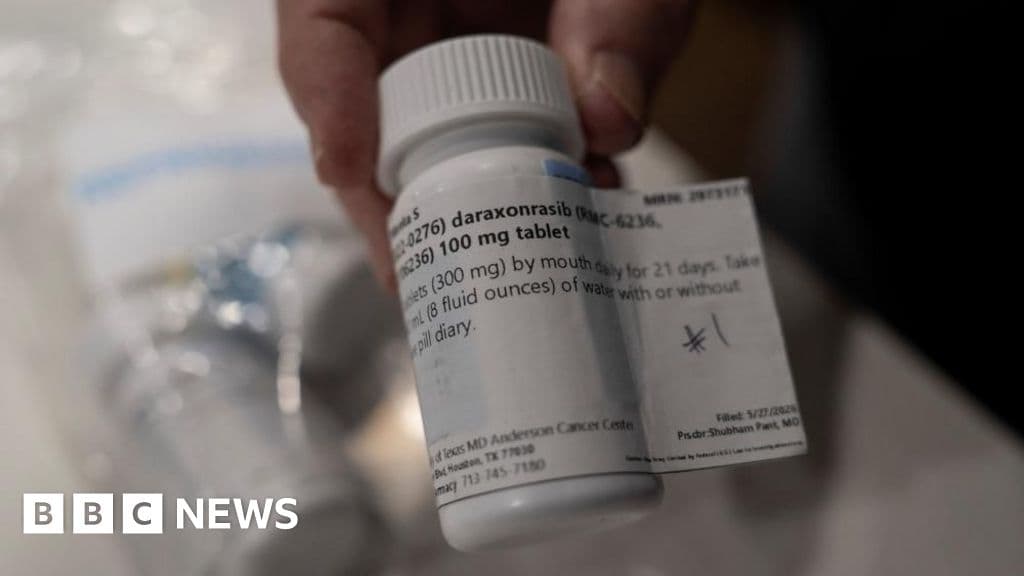
Discover how daraxonrasib, a new pill, is nearly doubling survival rates for pancreatic cancer patients, offering hope in a challenging battle against this deadly disease.
BBC Health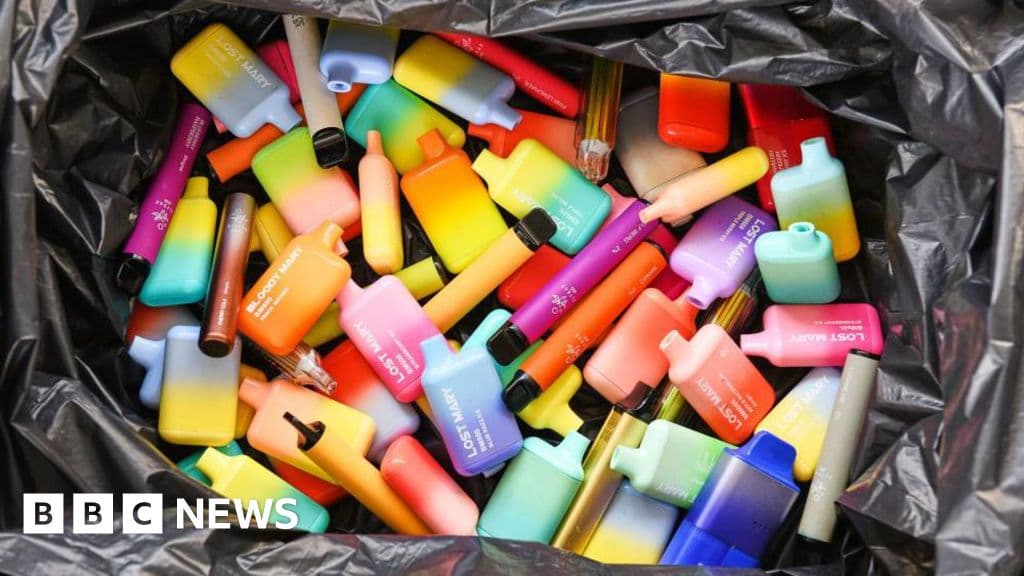
Waste companies propose a £5 deposit on vapes to encourage proper disposal and curb littering as the environmental impact of vapes increases.
BBC Business