Glipzo
WorldTechnologyBusinessSportsEntertainmentScienceHealthPolitics
Glipzo
WorldTechnologyBusinessSportsEntertainmentScienceHealthPolitics
  1. Home
  2. /
  3. Business
  4. /
  5. Major LPG Supply Boost as Tanker Shivalik Docks in Gujarat
Major LPG Supply Boost as Tanker Shivalik Docks in Gujarat

Image: Mint (Business)

Business
Monday, March 16, 20264 min read

Major LPG Supply Boost as Tanker Shivalik Docks in Gujarat

Will the LPG crisis end? Tanker Shivalik docks at Mundra Port after crossing the Strait of Hormuz, bringing critical supplies amid shortages.

Glipzo News Desk|Source: Mint (Business)
Share
Glipzo

Key Highlights

  • Tanker Shivalik arrives in Gujarat amid LPG shortages.
  • India engages Iran to secure oil trade through strategic waterways.
  • Temporary measures introduced to combat energy supply disruptions.
  • 20% of LPG needs earmarked for essential services amid crisis.

In this article

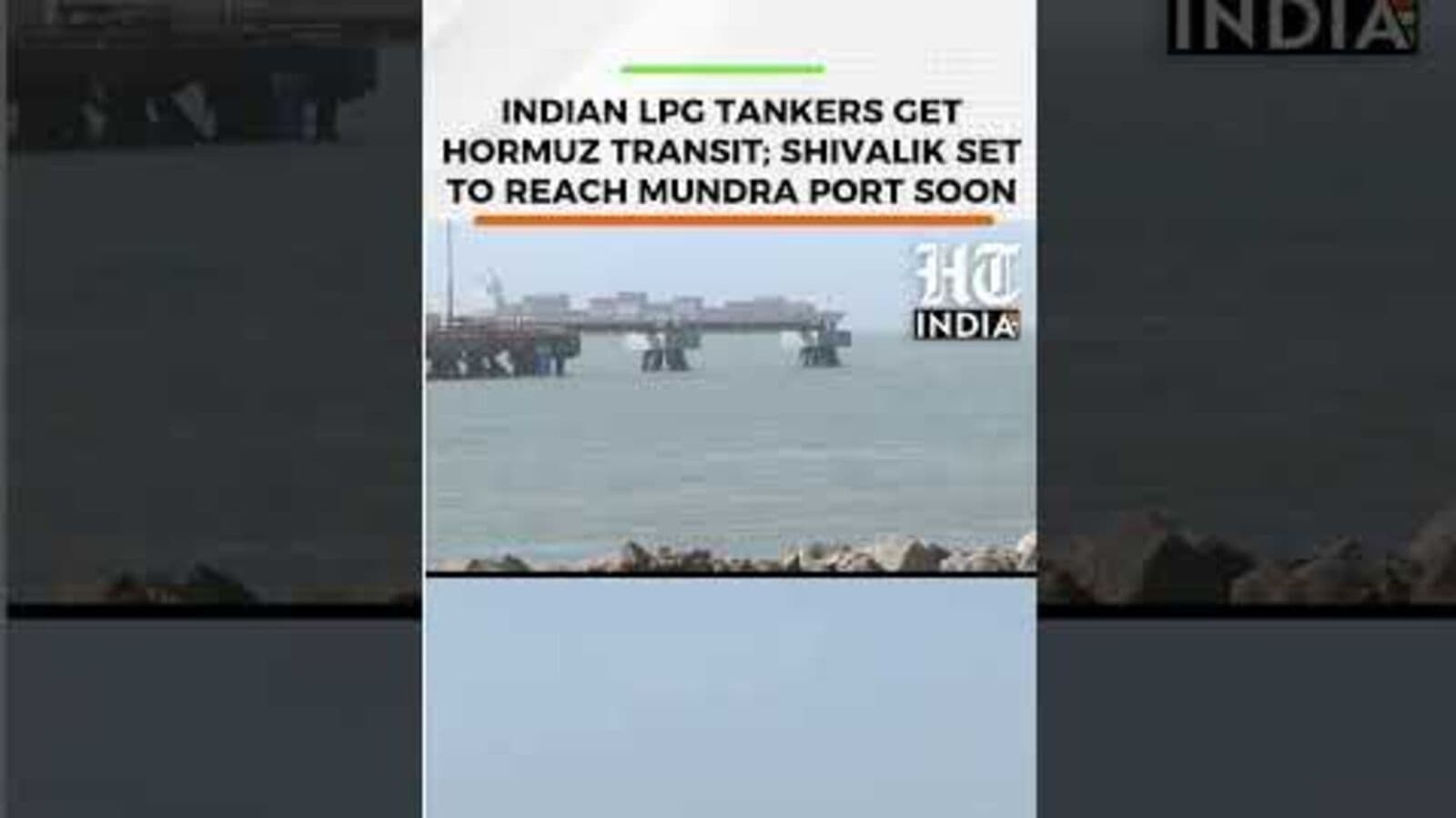
  • Tanker Shivalik Arrives Amid LPG Shortages The **LPG tanker Shivalik** made its way to **Mundra Port** in **Gujarat** on Monday after successfully navigating the **Strait of Hormuz**. This arrival comes at a critical time when the country has been facing significant **cooking gas shortages** due to ongoing supply disruptions linked to the Middle East conflict. Shivalik is one of two Indian-flagged vessels recently authorized to transit the strategic waterway, with the other being **Nanda Devi**.
  • Safe Passage Through a Critical Route Sinha elaborated that Shivalik and Nanda Devi had crossed the **Strait of Hormuz** late at night or early the next morning and were en route to India, carrying a total of approximately **92,700 metric tonnes of LPG**. The anticipated ports of arrival are **Mundra** and **Kandla**, reinforcing the importance of these shipments in alleviating the LPG supply crisis across the nation.
  • Diplomatic Efforts to Ensure Energy Security In light of the current geopolitical tensions, **External Affairs Minister S. Jaishankar** has emphasized the necessity for **direct engagement with Tehran** to restore safe maritime navigation through the Strait of Hormuz. In a recent conversation with the **Financial Times**, Jaishankar revealed that India is actively pursuing discussions with Iran to reopen this crucial shipping route, which is responsible for nearly **20% of the world’s oil trade**.
  • Temporary Measures Amid Energy Supply Disruptions In response to the disruptions caused by the intensifying crisis in West Asia, India has implemented temporary measures to mitigate the impact of the LPG shortage. Authorities have reintroduced the use of **kerosene** for domestic applications and permitted hotels and restaurants to transition to coal and other alternative fuels. This decision follows the effective closure of the Strait of Hormuz, which has significantly affected energy supply chains.
  • Ensuring Fuel Availability for Essential Services In an effort to keep essential services running smoothly, oil marketing companies have been directed to allocate **20% of the average monthly commercial LPG needs** to guarantee that vital businesses continue receiving fuel supplies. This strategic decision reflects the government’s commitment to maintaining operational stability amid fluctuating energy availability.
  • What’s Next for India’s Energy Supply? As the situation evolves, the critical question remains: how will India manage its energy needs in the face of ongoing geopolitical tensions? The arrival of the Shivalik and Nanda Devi is a significant step towards stabilizing LPG supplies, but the broader implications of the conflict in the Middle East could continue to pose challenges.

Tanker Shivalik Arrives Amid LPG Shortages The **LPG tanker Shivalik** made its way to **Mundra Port** in **Gujarat** on Monday after successfully navigating the **Strait of Hormuz**. This arrival comes at a critical time when the country has been facing significant **cooking gas shortages** due to ongoing supply disruptions linked to the Middle East conflict. Shivalik is one of two Indian-flagged vessels recently authorized to transit the strategic waterway, with the other being **Nanda Devi**.

On Saturday, Rajesh Kumar Sinha, Special Secretary of the Shipping Ministry, had indicated that both vessels were expected to arrive on March 16 and March 17 respectively. He reassured the public that all Indian seafarers stationed in the Persian Gulf are safe and there have been no adverse incidents reported in the last 24 hours. “Among the 24 Indian-flagged vessels in the Persian Gulf, Shivalik and Nanda Devi are both LPG carriers,” he stated.

Safe Passage Through a Critical Route Sinha elaborated that Shivalik and Nanda Devi had crossed the **Strait of Hormuz** late at night or early the next morning and were en route to India, carrying a total of approximately **92,700 metric tonnes of LPG**. The anticipated ports of arrival are **Mundra** and **Kandla**, reinforcing the importance of these shipments in alleviating the LPG supply crisis across the nation.

Following the transit of these two vessels, 22 Indian-flagged ships remain stationed in the Persian Gulf, manned by a crew of 611 seafarers. This situation underscores the ongoing challenges faced in securing maritime routes vital for energy supplies.

Diplomatic Efforts to Ensure Energy Security In light of the current geopolitical tensions, **External Affairs Minister S. Jaishankar** has emphasized the necessity for **direct engagement with Tehran** to restore safe maritime navigation through the Strait of Hormuz. In a recent conversation with the **Financial Times**, Jaishankar revealed that India is actively pursuing discussions with Iran to reopen this crucial shipping route, which is responsible for nearly **20% of the world’s oil trade**.

“From India’s perspective, it is better that we reason and coordinate and we get a solution than we don’t,” Jaishankar asserted, highlighting the importance of diplomatic efforts in maintaining energy security for the country. He expressed optimism that these engagements were yielding positive results, showcasing India's strategic approach to resolving the crisis.

Temporary Measures Amid Energy Supply Disruptions In response to the disruptions caused by the intensifying crisis in West Asia, India has implemented temporary measures to mitigate the impact of the LPG shortage. Authorities have reintroduced the use of **kerosene** for domestic applications and permitted hotels and restaurants to transition to coal and other alternative fuels. This decision follows the effective closure of the Strait of Hormuz, which has significantly affected energy supply chains.

Additionally, environmental regulators have been instructed to grant a one-month allowance for utilizing biomass, refuse-derived fuel (RDF) pellets, and coal as substitute energy sources for hospitality establishments. This proactive approach aims to ensure that essential businesses have access to necessary fuel supplies during this challenging period.

Ensuring Fuel Availability for Essential Services In an effort to keep essential services running smoothly, oil marketing companies have been directed to allocate **20% of the average monthly commercial LPG needs** to guarantee that vital businesses continue receiving fuel supplies. This strategic decision reflects the government’s commitment to maintaining operational stability amid fluctuating energy availability.

What’s Next for India’s Energy Supply? As the situation evolves, the critical question remains: how will India manage its energy needs in the face of ongoing geopolitical tensions? The arrival of the Shivalik and Nanda Devi is a significant step towards stabilizing LPG supplies, but the broader implications of the conflict in the Middle East could continue to pose challenges.

Looking ahead, it will be vital to monitor further diplomatic engagements between India and Iran, as well as the status of other Indian-flagged vessels in the region. The government’s ongoing actions and strategic decisions will play a crucial role in shaping the future of India’s energy security. Stakeholders and citizens alike are urged to stay informed about developments that could impact cooking gas availability in the coming weeks.

In summary, the arrival of the Shivalik marks a positive development in India's ongoing battle against LPG shortages, yet the path forward remains uncertain as global tensions continue to affect supply chains. The situation demands close observation as India's energy policy adapts to an ever-changing landscape.
Did you find this article useful? Share it!

Share

Related Articles

Urgent Call for Waiver: Punjab's Wheat Quality Crisis
Business
Apr 21, 2026

Urgent Call for Waiver: Punjab's Wheat Quality Crisis

Punjab's procurement agencies demand a waiver on storage gain norms due to severe wheat quality issues. Urgent government action is essential!

Indian Express
Nifty, Sensex Steady Amid U.S.-Iran Peace Talks Insights
Business
Apr 21, 2026

Nifty, Sensex Steady Amid U.S.-Iran Peace Talks Insights

Indian equity benchmarks opened flat as investors monitor U.S.-Iran peace talks and await quarterly earnings. What’s next for the markets?

Indian Express
Trump's Tariff Refunds Begin, But Consumers Left Behind
Business
Apr 21, 2026

Trump's Tariff Refunds Begin, But Consumers Left Behind

Trump's historic tariff refund program begins, but consumers may miss out. Will businesses share the wealth? Discover the implications of this development.

BBC Business

Categories

  • World
  • Technology
  • Business
  • Sports

More

  • Entertainment
  • Science
  • Health
  • Politics

Explore

  • Web Stories
  • About Us
  • Contact

Legal

  • Privacy Policy
  • Terms of Service

© 2026 Glipzo. All rights reserved.