
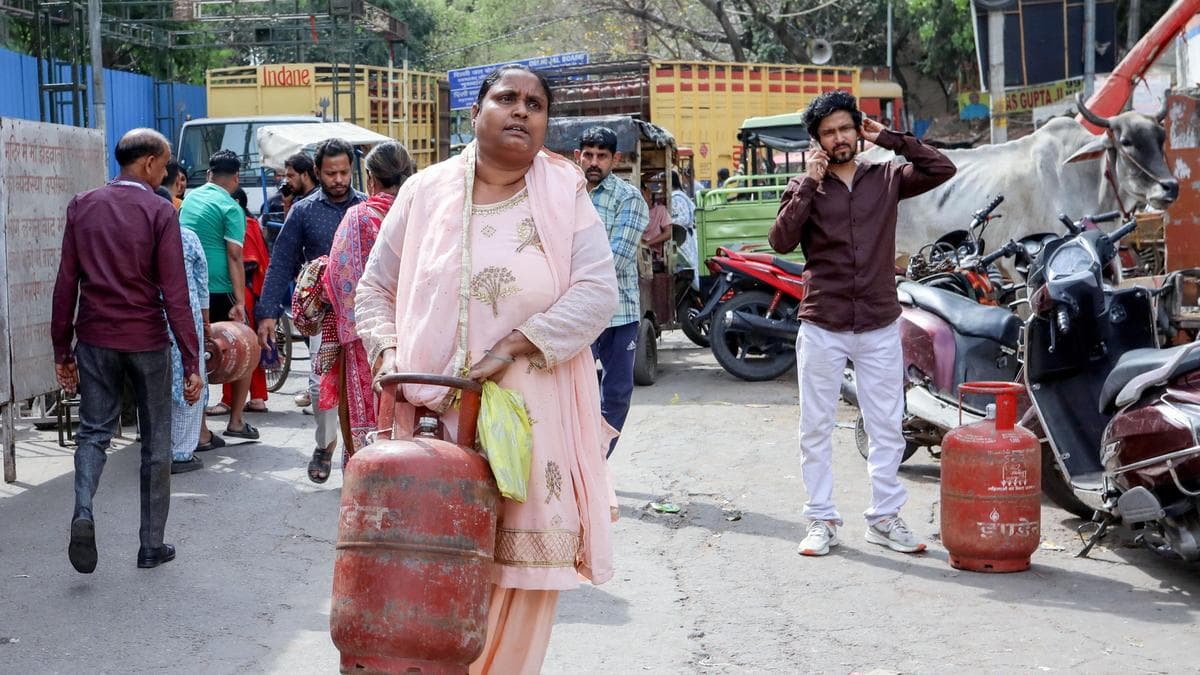
Image: The Hindu
A major LPG shortage is forcing schools in India to seek alternative cooking methods for mid-day meals. What does this mean for children's nutrition?
GlipzoAs India grapples with an ongoing LPG supply crisis, many schools are facing significant challenges in providing nutritious meals to their students. This situation has escalated as a result of geopolitical tensions in West Asia, leading to disruptions in LPG imports. Schools across various states, especially in rural areas, are now rushing to find alternative cooking methods to ensure that children receive their mid-day meals.
The mid-day meal program is a crucial initiative aimed at improving nutrition among school children, particularly in underserved areas. With March 14, 2026, marking a pivotal day in this crisis, schools are adapting to the reality of diminished LPG supplies. In states like Odisha and Telangana, where many schools have traditionally relied on firewood, the impact has been less severe, but urban schools are beginning to feel the strain as the crisis escalates.
In response to the LPG crunch, schools are exploring various alternatives to sustain their mid-day meal programs. Some of the methods being adopted include:
Naveen Nicolas, the Director of School Education in Telangana, stated that approximately 9,000 out of 24,972 schools rely heavily on LPG for their meal programs. The looming threat of LPG shortages has prompted many schools to cut back on their menus, which could compromise the nutritional quality of the meals provided to children.
In Odisha, the PM POSHAN Scheme serves meals to over 16.4 lakh students across more than 50,000 schools. While rural areas have managed to avoid significant impacts due to their reliance on firewood, urban schools are beginning to report shortages. The pressure is mounting as authorities brace for potential fuel crises in these regions.
In Karnataka, the situation appears more stable thanks to government-provided LPG cylinders for schools and anganwadi centers. However, the same cannot be said for private facilities, such as hostels and paying guest accommodations, which are starting to feel the pinch of the LPG shortage affecting commercial supplies.
Meanwhile, Sunita, a mid-day meal worker at a primary school in Haryana, shared her experience, noting that despite the challenges, LPG deliveries are still being made, albeit with delays.
In Bihar, schools are resorting to traditional cooking methods, including the use of earthen stoves, as LPG supplies dwindle. Manju Devi, a cook at an anganwadi in Samastipur, expressed frustration at the delay in cylinder refills, which has forced them to revert to cooking over chulhas (earthen stoves) to ensure children receive their meals.
With around 1.3 crore children in Bihar relying on government-run schools for their daily meals, the stakes are high. The crisis underscores the importance of having reliable fuel sources for such an essential service.
In Assam, many schools in rural and semi-urban areas are already accustomed to using firewood, protecting them from the immediate impacts of the LPG shortage. Hem Chandra Kakati, the principal of Assam Railway Higher Secondary School, reported that they require two LPG cylinders a month for their operations. Fortunately, they recently received a cylinder just before the final exams, averting a potential crisis.
The ongoing LPG crisis is not just about fuel; it is about the health and nutrition of millions of children across India. The mid-day meal scheme plays a vital role in ensuring that children receive adequate nutrition, particularly in lower-income areas. If schools cannot secure reliable fuel sources, the implications could be dire, leading to increased malnutrition rates and diminishing educational outcomes.
As schools navigate these challenges, stakeholders must consider several factors: - Government Intervention: Will the government step in to provide alternative fuel sources or subsidies to schools affected by the LPG shortage? - Long-Term Solutions: How can schools diversify their cooking methods to ensure they are less vulnerable to supply disruptions in the future? - Nutritional Implications: What measures will be taken to ensure that the nutritional quality of meals does not decline further as schools adapt?
This crisis serves as a reminder of the fragility of supply chains that support essential services. As the situation unfolds, schools, parents, and policymakers must work together to safeguard the health and well-being of children across India.

Tensions soar as the US and Iran engage in air strikes near the Strait of Hormuz, raising concerns over global oil supply and regional stability.
BBC World
Trump's international interventions face serious stalemates. What will this mean for U.S. foreign policy? Explore the critical challenges ahead.
Indian Express
Tehran denies resignation of President Masoud Pezeshkian amid claims of IRGC influence. What does this mean for Iran's political stability? Click to learn more!
Indian Express