

Image: The Verge
The Live Nation antitrust trial resumes with states leading the charge after a DOJ settlement. What's at stake for the future of ticketing?
GlipzoThe antitrust trial against Live Nation resumed on Monday, following a tumultuous week marked by a mid-trial settlement between the Justice Department (DOJ) and the entertainment giant. With a new team of attorneys from several states stepping in, the case is now being led by a coalition of states aiming to hold Live Nation accountable for its practices in the ticketing industry. The trial, which has been under intense scrutiny, highlights the evolving landscape of competition in the entertainment sector.
In a surprising turn of events, the states had initially sought a mistrial due to concerns over their ability to effectively take over the case after the DOJ's withdrawal. However, Judge Arun Subramanian appeared frustrated with this request and was inclined to deny it. Ultimately, the states managed to retain key expert witnesses and quickly assembled a legal team, allowing them to withdraw their mistrial motion and continue the trial from where it had paused.
The jury, now re-engaged after a brief hiatus, was informed of the changes in the legal representation and reminded not to draw conclusions based on the DOJ's absence. The new legal team includes Jonathan Hatch from the New York Attorney General's Office and Jeffrey Kessler from Winston & Strawn, known for representing college athletes in landmark antitrust cases. Their presence signals a renewed focus on the alleged monopolistic practices of Live Nation.
As the trial resumed, the states' attorneys began questioning Jay Marciano, the Chief Operating Officer of AEG, a primary competitor to Live Nation. Marciano discussed various ticketing models prevalent in Europe, highlighting the differences compared to the U.S., where venues often rely on exclusive contracts with Ticketmaster, effectively limiting competition.
During cross-examination, Marciano addressed a previous incident involving a conversation between the former CEO of the Barclays Center and Live Nation's CEO Michael Rapino. The discussion centered around the competitive dynamics between venues, especially with the new UBS Arena opening nearby. Although Barclays interpreted Rapino’s remarks as a threat, Marciano emphasized that such competitive tactics are standard practice in the industry.
The trial also featured testimony from Robert Roux, Live Nation's president of U.S. concerts, who faced accusations regarding the company's monopolistic practices in controlling major amphitheaters across the country. Plaintiff attorney Josh Hafenbrack presented evidence showing Live Nation's significant expansion in the market, with the company reportedly gaining dominance over four of the top five amphitheaters in the U.S. based on ticket sales.
Live Nation has consistently denied allegations of anticompetitive behavior, arguing that the states ignore the competition posed by other venue types. However, evidence presented in court suggests that many smaller artists have limited options due to Live Nation's extensive control over major venues. Roux's own emails from 2015 indicated that many artists preferred amphitheaters, further complicating the narrative that Live Nation does not monopolize the market.
The resumption of this high-profile trial signifies the ongoing scrutiny of corporate practices in the ticketing and entertainment sectors. With the states now at the forefront, the focus will be on how effectively they can present their case against Live Nation. The implications of this trial extend beyond just the companies involved; it may set important precedents for antitrust laws and competition in the entertainment industry.
As the trial progresses, it will be crucial to monitor the arguments presented by both sides and the potential outcomes. The resolution of this case could reshape how ticketing is conducted in the U.S., affecting artists, venues, and consumers alike. Stakeholders across the industry are watching closely as this landmark trial unfolds, with the potential for significant changes on the horizon.
The antitrust case against Live Nation is more than just a legal battle; it encompasses broader themes of competition, consumer rights, and the future of live entertainment. As the trial continues, the outcome could redefine the operational landscape for ticketing companies and influence policy decisions related to corporate monopolies. The stakes are high, and the ramifications could be felt across the entertainment sector for years to come.
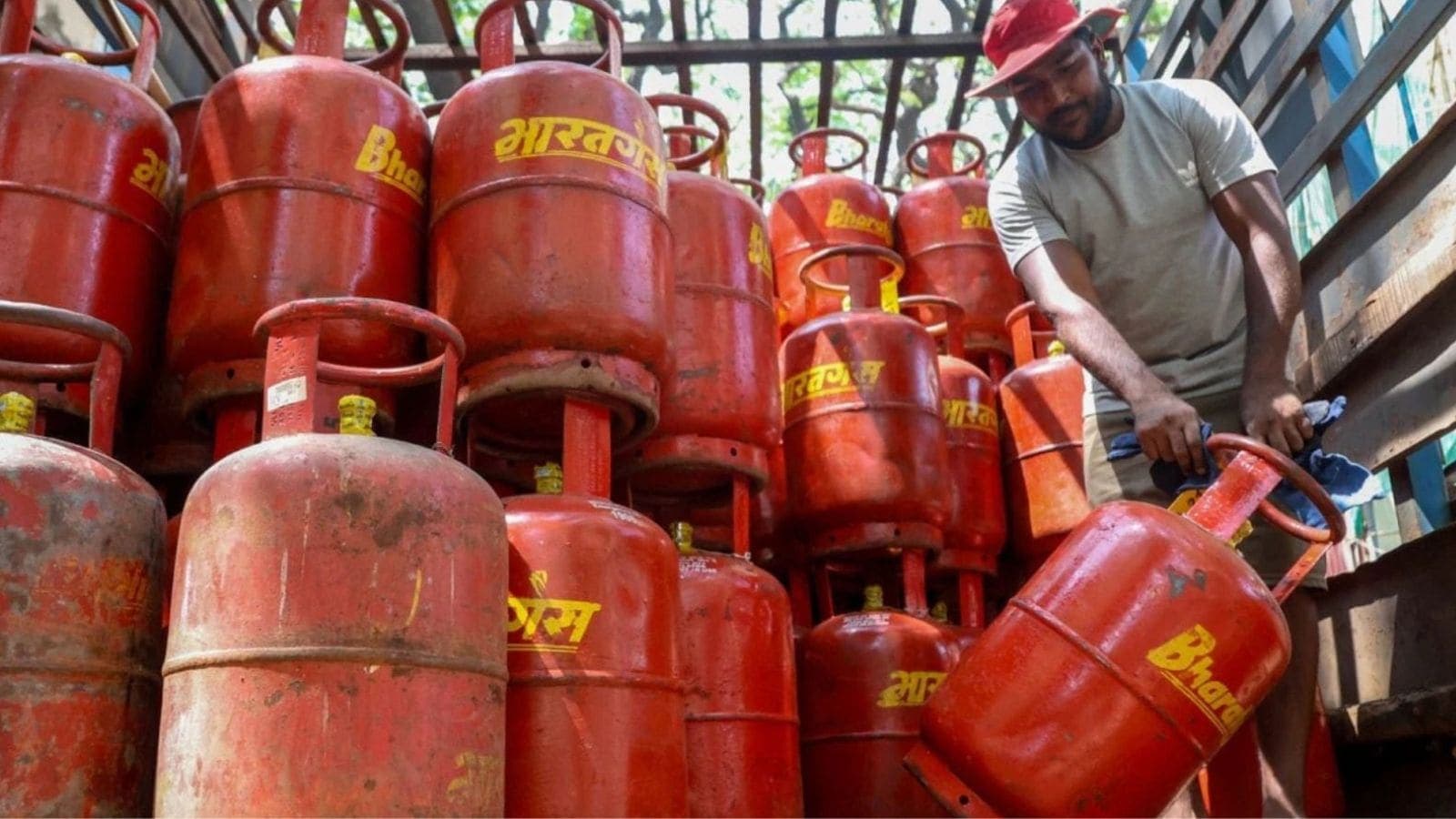
Commercial LPG prices have risen again, with increases of ₹42 in Delhi and ₹53.50 in Kolkata impacting businesses and consumers alike. Find out more.
Indian Express
Discover how a tragic coal mine explosion in Shanxi, China, reveals ongoing safety concerns in the industry amidst a push for green energy.
BBC Business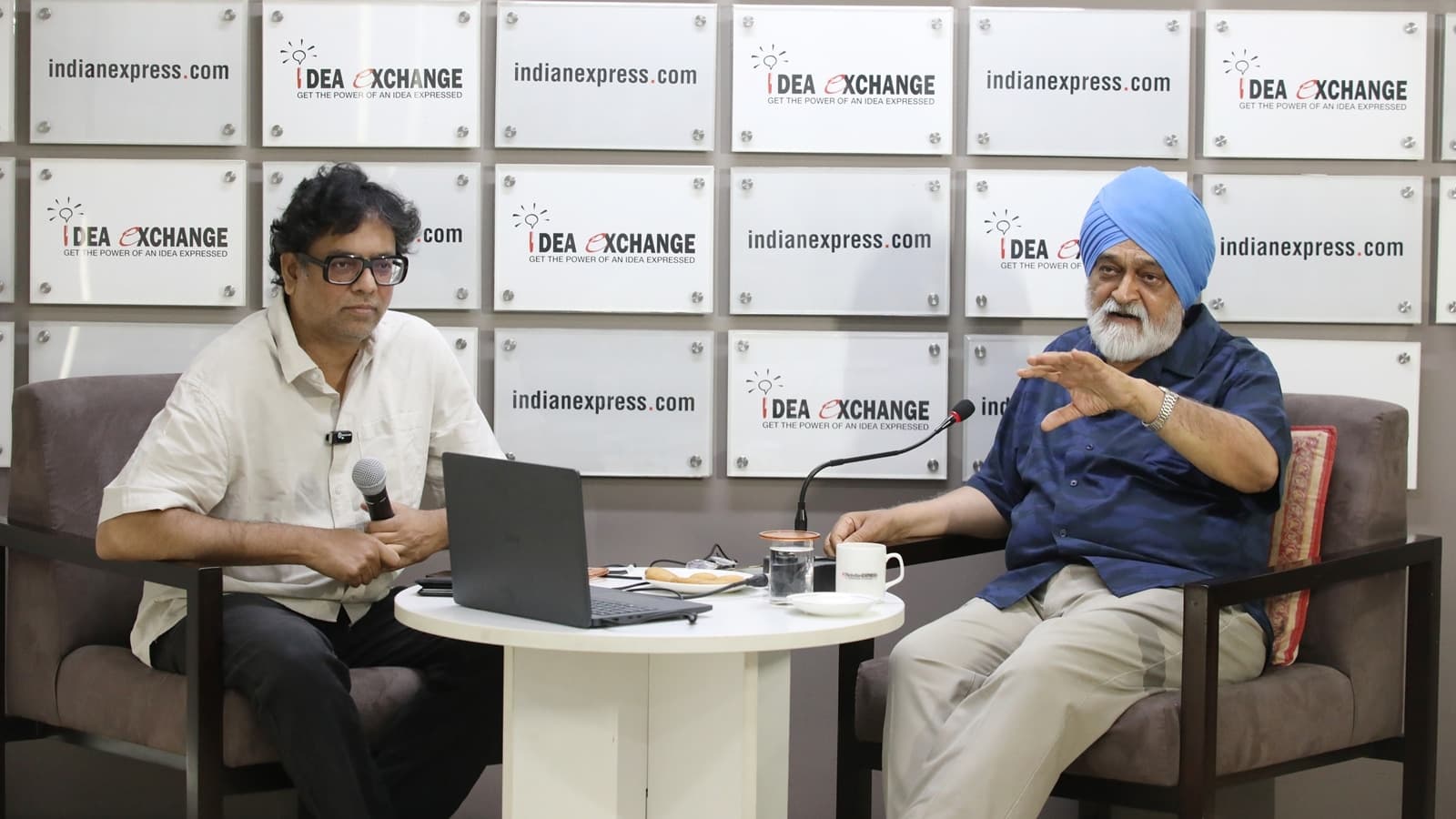
Montek Singh Ahluwalia highlights key economic challenges for India, emphasizing the need for a strategic approach to balance payments and investment.
Indian Express