

Image: BBC Business
Live Nation found guilty of monopoly practices, jury rules. What does this mean for ticket prices and competition in the music industry? Click to learn more!
GlipzoThe jury's ruling could compel Live Nation to divest parts of its business or separate from Ticketmaster, a move previously advocated by former Attorney General Merrick Garland when he launched the lawsuit in May 2024. The U.S. Department of Justice (DoJ) contended that Live Nation's monopolistic practices stifled competition, resulting in inflated ticket prices and inferior service for consumers.
In response to the verdict, Live Nation stated, "The jury's verdict is not the last word on this matter," indicating its intention to challenge the ruling. The company has requested the court to dismiss expert testimonies related to the calculation of damages and has several pending motions that could influence the case's outcome.
Should the company be broken up, it may lead to reduced ticket prices and greater accessibility for lesser-known artists seeking to book venues. This potential restructuring of the market could herald a new era of competition that benefits both fans and performers alike.
Morgan Harper, a director at the American Economic Liberties Project, hailed the verdict as a "historic victory for fans, artists, concert promoters, and venue owners who have suffered for decades under the thumb of Ticketmaster's monopoly." The implications of this ruling extend beyond the courtroom, marking a pivotal moment in the ongoing battle for fair competition in the music industry.
During the trial, Live Nation consistently maintained that it was not a monopoly and claimed to compete "fiercely" with various rivals in the entertainment sector, including sports teams and concert promoters. However, the evidence presented by the prosecution suggested otherwise.
Bonta expressed pride in the coalition formed by diverse states, stating, "We are incredibly proud of today's outcome - and especially proud of our coalition made up of red and blue states alike who understood we needed to come together to protect our consumers, businesses, and state economies from Live Nation's illegal conduct."
A group of Democratic senators recently criticized the DoJ for its earlier settlement, arguing that it failed to effectively restore competition and protect consumers. Their letter highlighted that Ticketmaster controls over 70% of major concert venues through exclusive ticketing contracts, while Live Nation commands an 80% share of major concert amphitheaters.
With growing calls for accountability and fairness in the live music industry, stakeholders will be watching closely to see if this ruling leads to lasting reforms. The implications for fans, artists, and the broader entertainment market could be profound, paving the way for a more competitive environment where ticket prices are fairer and access to live performances is improved.
As the situation unfolds, the music industry will be eager to see how Live Nation responds and whether this verdict will lead to meaningful changes in how live events are managed and ticketed.
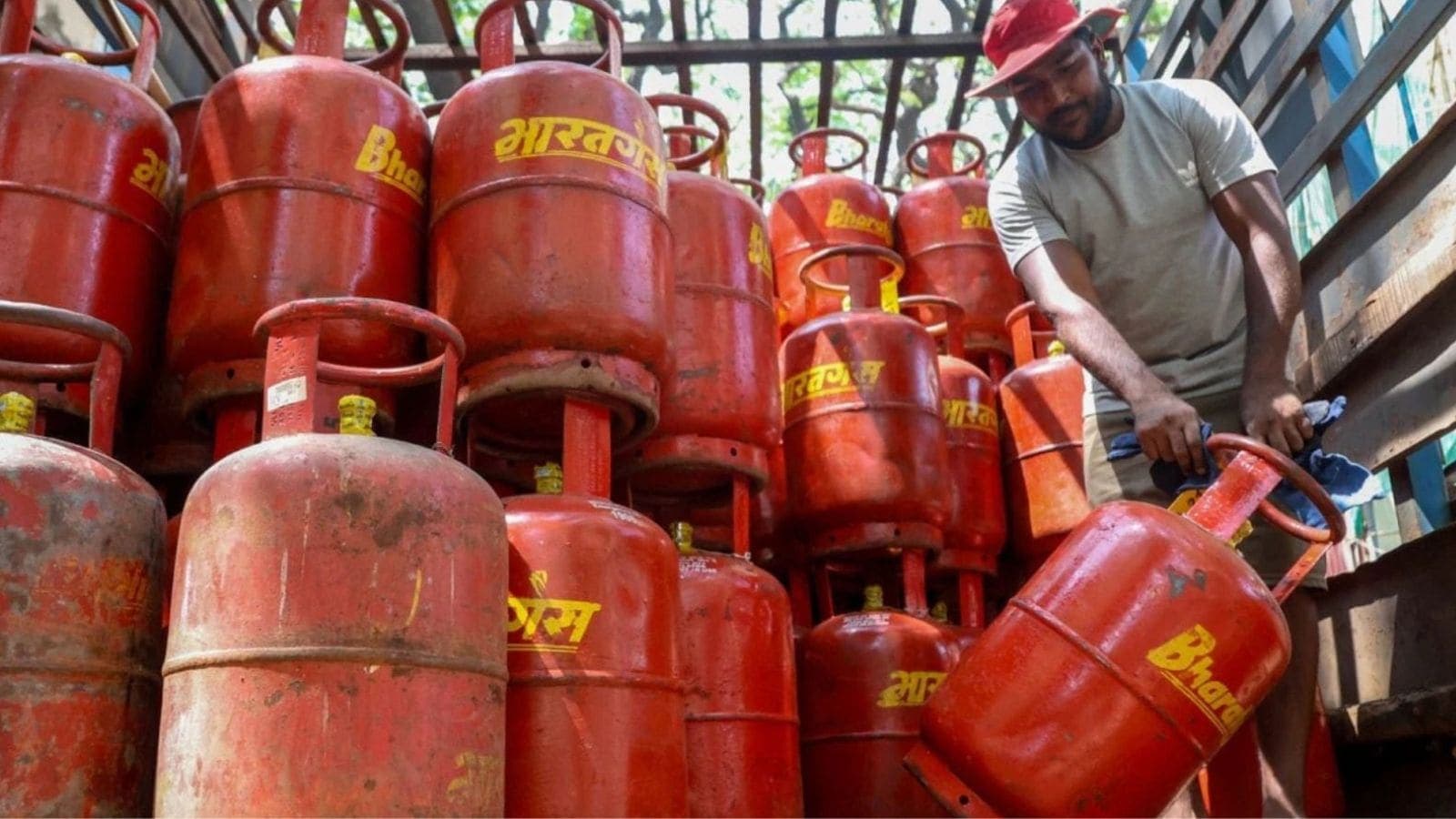
Commercial LPG prices have risen again, with increases of ₹42 in Delhi and ₹53.50 in Kolkata impacting businesses and consumers alike. Find out more.
Indian Express
Discover how a tragic coal mine explosion in Shanxi, China, reveals ongoing safety concerns in the industry amidst a push for green energy.
BBC Business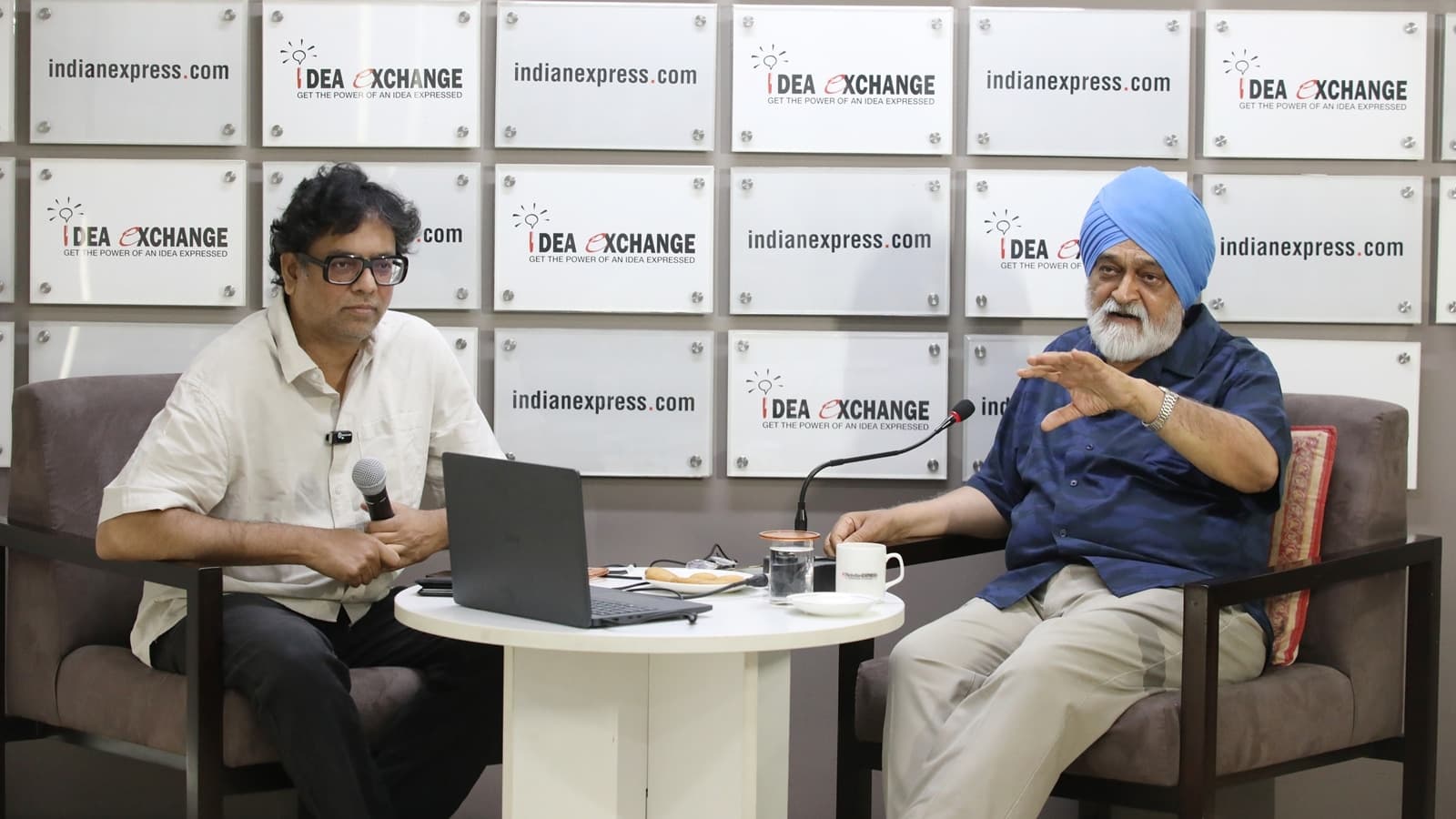
Montek Singh Ahluwalia highlights key economic challenges for India, emphasizing the need for a strategic approach to balance payments and investment.
Indian Express