
Image: BBC World
Israel intensifies military operations against Hezbollah, raising fears of a ground invasion and a humanitarian crisis in Lebanon. What’s next for the region?
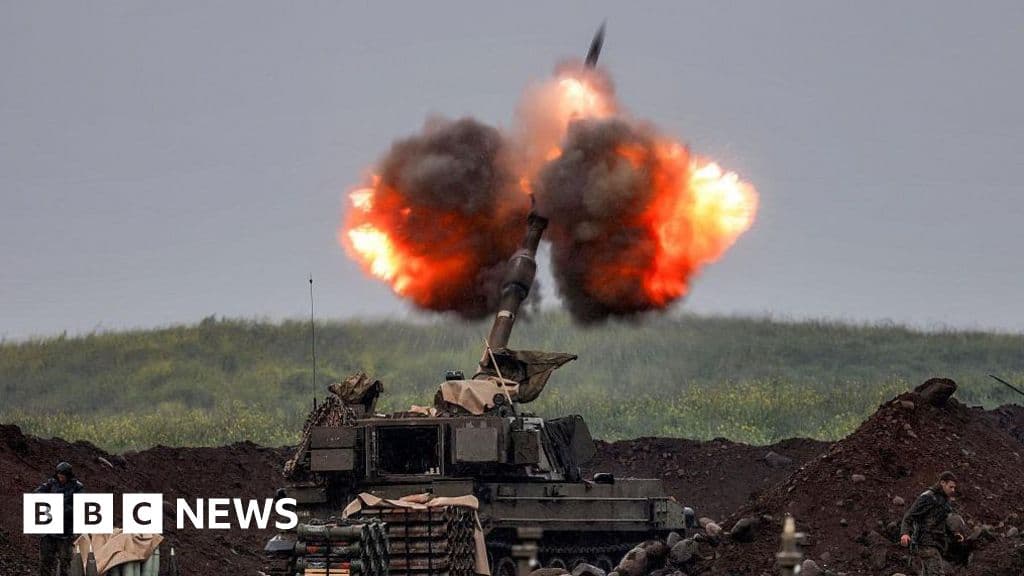
GlipzoIn a significant escalation of military operations, Israel has declared plans to enhance its ground and air attacks against Hezbollah, the Iranian-backed militant group based in Lebanon. This decision has raised severe concerns among Lebanese citizens, who fear that a large-scale ground invasion is imminent. The Israeli military's intensified campaign comes on the heels of recent rocket attacks launched by Hezbollah into Israeli territory, marking a dramatic turn in the ongoing conflict between Israel, the US, and Iran.
Since the recent escalation began, over 1,000 lives have been lost in Lebanon, with casualties including at least 118 children and 40 healthcare workers, according to the Lebanese health ministry. This alarming death toll is compounded by the displacement of more than one million people, potentially leading to a catastrophic humanitarian crisis. The situation is dire, as communities grapple with the fallout of escalating violence and instability.
Israeli officials have articulated that their primary objective is to safeguard northern Israeli communities from the threats posed by Hezbollah. On Sunday, Lt. Gen. Eyal Zamir, the chief of the general staff of the Israeli military, confirmed that plans for targeted ground operations and airstrikes against Hezbollah were officially approved and labeled as a “prolonged operation.” This announcement followed a directive from Israeli Defense Minister Israel Katz, who stated that forces were tasked with destroying crossings over the Litani River, utilized by Hezbollah for reinforcements.
An Israeli airstrike recently targeted the Qasmiye Bridge, a crucial route linking southern Lebanon to the central regions, near Tyre. This infrastructure is not only significant for military logistics but also serves civilian transportation needs, raising concerns about humanitarian impacts.
Lebanon's population is increasingly anxious that Israel may aim to isolate southern Lebanon—the heartland of the Shia community and Hezbollah—from the rest of the country. Many speculate that Israel's strategy is to create a buffer zone by occupying key areas in the south. President Joseph Aoun of Lebanon has condemned the Israeli strikes, labeling them as a “prelude to a ground invasion” and characterizing the actions as a “policy of collective punishment against civilians.”
He expressed concerns about potential “suspicious schemes” aimed at expanding Israeli territorial presence in Lebanon. The Lebanese government is under pressure to address the Hezbollah issue, an organization founded in the 1980s in response to Israel's occupation during the Lebanese civil war, yet has thus far refrained from disarming the group.
In a further escalation of military tactics, Katz indicated that Israeli forces would also demolish homes in Lebanese border villages as part of their strategy to neutralize threats to Israeli communities. This tactic mirrors the approach taken in the conflict in Gaza, where the Israeli military has previously targeted infrastructure and forced evacuations to establish security zones within the territory.
The backdrop of this conflict includes the Hamas-led attack on Israel on October 7, 2023, which resulted in the deaths of approximately 1,200 individuals and the abduction of 251 others. In retaliation, Israel's military response has been devastating, with more than 71,000 fatalities reported in Gaza, according to local health officials. Despite a ceasefire that was established five months ago, Israeli strikes in Gaza have continued unabated, showcasing the volatile nature of the region.
The current tensions between Hezbollah and Israel were reignited when Hezbollah retaliated against the killing of Iran’s Supreme Leader Ayatollah Ali Khamenei. This occurred alongside ongoing Israeli assaults on Lebanese territory, which have persisted despite an earlier ceasefire agreement reached in November 2024.
The Lebanese government has expressed intentions to disarm Hezbollah amidst concerns that using force could deepen sectarian divides and provoke further violence. President Aoun, a former military leader, has cautioned against military solutions, emphasizing the need for dialogue rather than confrontation.
The developments in this conflict are critical not only for the immediate region but also for global geopolitical stability. The Israeli-Hezbollah conflict poses a significant risk of drawing in other nations, potentially exacerbating tensions in the Middle East. As both sides prepare for what could escalate into a larger confrontation, the humanitarian implications are worrying, especially with the ongoing displacement and suffering of civilians caught in the crossfire.
As Israel moves forward with its military operations, observers should watch for: - Increased civilian casualties and humanitarian crises in Lebanon. - Potential responses from Hezbollah and other Iranian-backed groups. - Diplomatic maneuvers from international players attempting to mediate the conflict.
The coming weeks will be crucial in determining the trajectory of this conflict and its broader implications for regional stability.
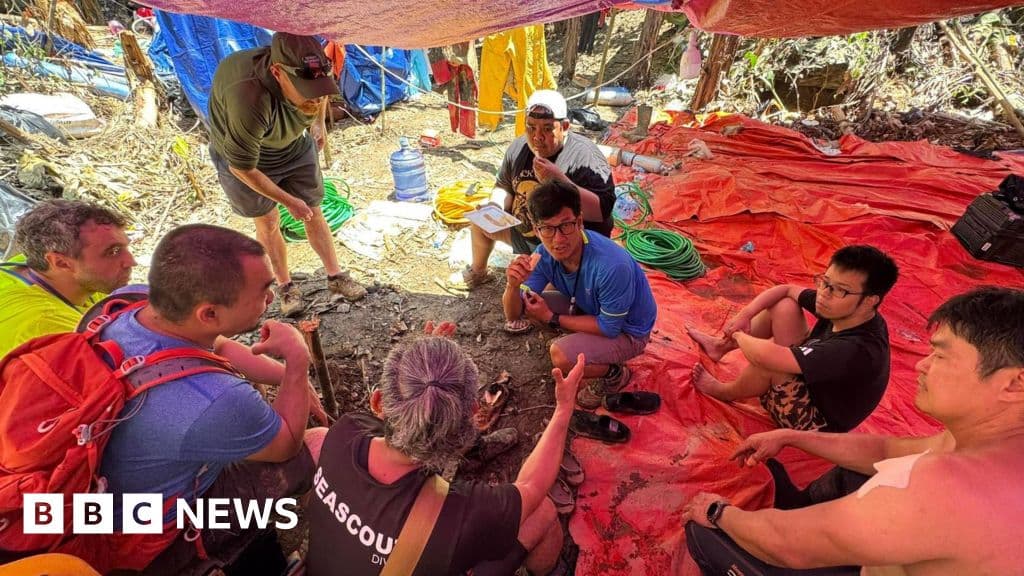
Survivors of the Laos cave rescue are aiding efforts to find the last two missing men trapped inside, sharing crucial insights for the search operation.
BBC World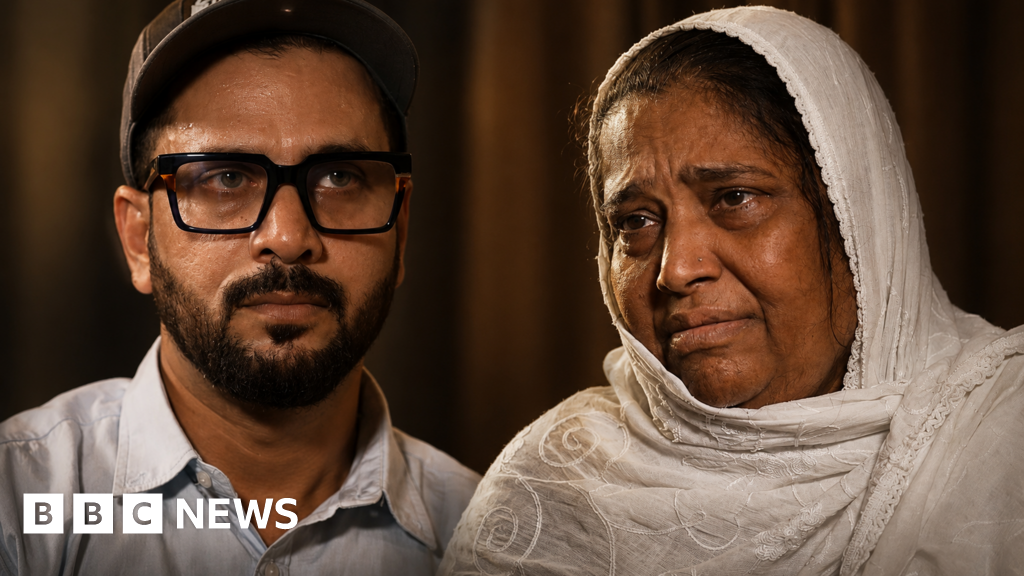
A year after the tragic Air India crash, the Ali family reflects on grief, unanswered questions, and the enduring bonds of love in the face of loss.
BBC Business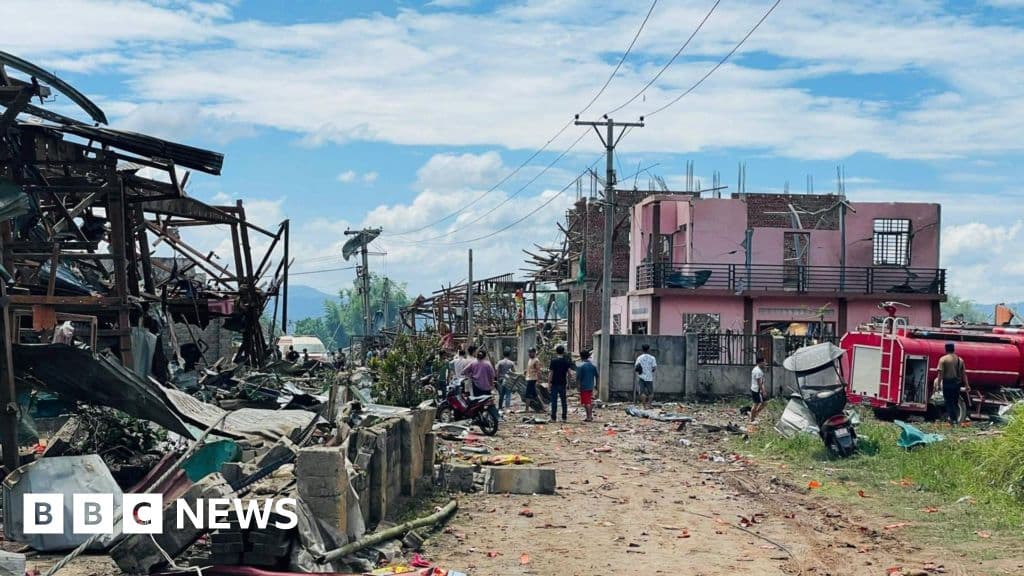
A devastating explosion in Myanmar's Kaung Tat village has killed at least 55 people, raising serious safety concerns and questions about civilian protection in conflict zones.
BBC World