

Image: BBC Business
The UK government expands its energy support scheme to aid 10,000 businesses, offering up to 25% reduction in energy bills starting April 2027. What does this mean for the economy?
GlipzoIn a significant move to alleviate the burden of rising energy costs, the UK government has announced an expansion of its energy support scheme, starting in April 2027. This initiative aims to provide assistance to around 10,000 energy-intensive businesses, particularly in sectors such as steel, pharmaceuticals, and automotive manufacturing. The scheme, known as the British Industrial Competitiveness Scheme (BICS), was initially designed to support 7,000 firms but will now extend its reach to include an additional 3,000 companies.
The decision to broaden this support comes in response to escalating oil and gas prices, which have put immense financial pressure on industries across the UK. As Business Secretary Peter Kyle stated, "When global instability puts businesses under pressure, we'll always do what's needed to support them and ensure Britain's resilience."
Under the expanded BICS, eligible manufacturers will enjoy reductions of up to 25% on their energy bills. This support is especially crucial for sectors heavily reliant on energy, which typically face higher operational costs than their counterparts in Europe and the United States.
The government has structured the support as follows: - Exemption from electricity charges related to the net zero transition, valued at approximately £35–£40 per MWh. - A one-off payment in 2027 to cover the benefits these businesses would have received had the scheme been active since April 2026.
This initiative aims to enhance the UK’s economic security and bolster its competitiveness in the global market, particularly amidst rising energy costs triggered by geopolitical tensions, such as the ongoing conflict in Iran.
Despite the positive reception from some business groups, there are notable critiques of the government's approach. The Conservative Party has expressed concerns that many vital sectors, including pubs, restaurants, farmers, and retailers, will be excluded from this support, leaving them vulnerable as they grapple with rising costs.
Critics argue that the assistance provided under the BICS may not be sufficient for the broad spectrum of businesses that are struggling. For instance, Claire Coutinho, the Shadow Energy Secretary, pointed out that this plan would only benefit 0.2% of firms, suggesting a need for a more comprehensive approach.
Furthermore, industry representatives have highlighted that UK businesses are paying up to 50% more for electricity compared to their EU counterparts and more than double what businesses in the US pay. The British Chambers of Commerce reported that nearly 40% of businesses across all sectors are currently facing difficulties with their energy expenses.
The expansion of the BICS is seen as a critical step in acknowledging the challenges faced by energy-intensive industries. The Confederation for British Industry's chief executive, Rain Newton-Smith, welcomed the government's decision, stating it reflects a willingness to listen to the needs of UK businesses in a challenging economic climate.
However, the long-term effectiveness of the scheme remains to be seen. As energy prices fluctuate due to global events, businesses are left to navigate a precarious financial landscape. The government's commitment to funding the scheme through adjustments to the energy system and public expenditure aims to ensure that domestic energy bills remain unaffected, but the real impact on businesses will require careful monitoring.
As we approach the implementation date of April 2027, business leaders and industry stakeholders will be keenly watching how the BICS evolves. The ongoing geopolitical tensions and market fluctuations mean that energy prices could continue to rise or fall unpredictably, affecting the very fabric of UK industrial competitiveness.
The government’s strategy will likely need to adapt further, addressing the concerns of sectors that remain excluded from the current plan. Future discussions may focus on reducing overall energy costs or revisiting green levies to create a more favorable environment for all businesses, not just the energy-intensive ones.
In conclusion, while the expansion of the BICS is a promising move toward supporting UK manufacturers, the conversation surrounding energy costs and business sustainability will undoubtedly continue. As the government navigates these challenges, stakeholders will be looking for more inclusive and effective solutions that address the broader needs of the economy.
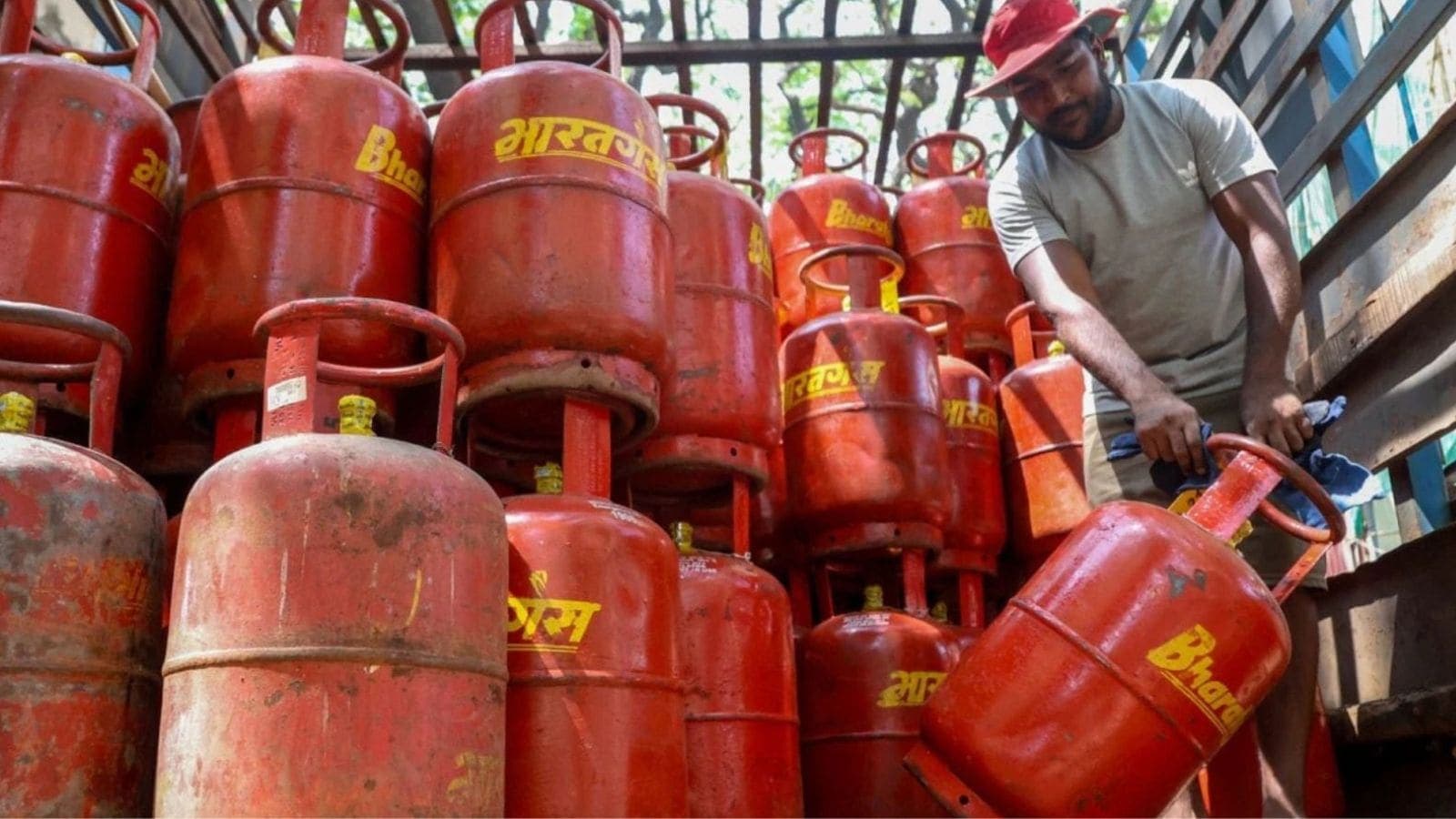
Commercial LPG prices have risen again, with increases of ₹42 in Delhi and ₹53.50 in Kolkata impacting businesses and consumers alike. Find out more.
Indian Express
Discover how a tragic coal mine explosion in Shanxi, China, reveals ongoing safety concerns in the industry amidst a push for green energy.
BBC Business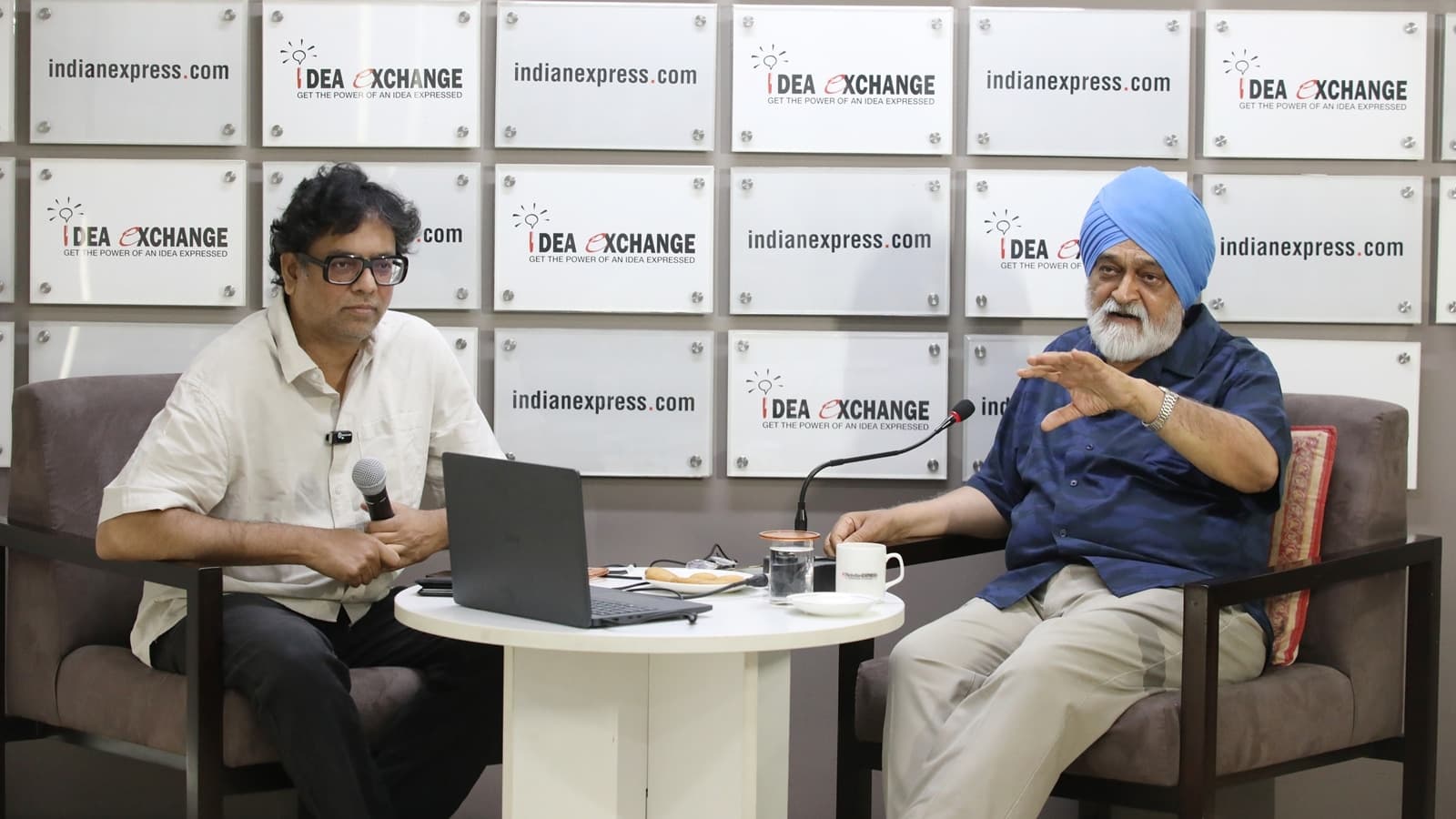
Montek Singh Ahluwalia highlights key economic challenges for India, emphasizing the need for a strategic approach to balance payments and investment.
Indian Express