
Image: BBC World
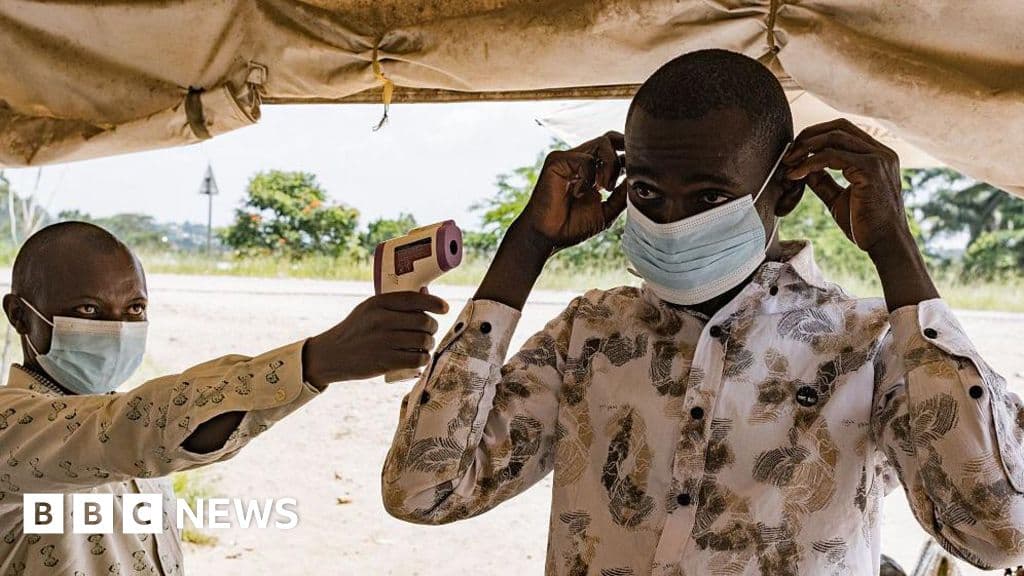
The WHO warns it may take nine months for an Ebola vaccine as deaths rise. Urgent measures are needed to curb the outbreak in DRC and Uganda.
GlipzoThe World Health Organization (WHO) has issued a stark warning regarding the ongoing Ebola outbreak, indicating that it may take as long as nine months for a vaccine to be developed against the Bundibugyo species of the virus. This alarming timeline comes as the death toll continues to rise, with 600 suspected cases reported and 139 suspected fatalities as of recent counts.
In a press briefing held in Geneva, WHO advisor Dr. Vasee Moorthy underscored that while two potential candidate vaccines are currently under development, neither has entered clinical trials yet.
"The situation is evolving, and we are closely monitoring the developments," Dr. Moorthy stated. The urgency of this situation is underscored by WHO chief Dr. Tedros Adhanom Ghebreyesus, who noted, "We expect these numbers to increase as detection efforts continue."
The outbreak is primarily affecting the Democratic Republic of Congo (DRC), where 51 confirmed cases have been reported, predominantly in Ituri province—the epicenter. In addition, two cases have been confirmed in Uganda, both linked to travel from DRC, with one resulting in death.
Despite the severity of the outbreak, the WHO has classified the situation as a public health emergency of international concern, but not at a pandemic level. Dr. Tedros explained, "Our assessment indicates a high risk at national and regional levels, but low risk on a global scale."
As the outbreak escalates, local health facilities are feeling the strain. Trish Newport, an emergency program manager with Médecins Sans Frontières (MSF), reported that hospitals are overwhelmed, stating, "We are full of suspect cases. We don't have any space."
Reports indicate that healthcare workers are among those affected, raising significant concerns about the safety and sustainability of the healthcare response. While protective equipment has begun to arrive, many workers still lack adequate protection, complicating efforts to curtail the virus's spread.
The local population is acutely aware of the outbreak's gravity. According to Araali Bagamba, a lecturer from Bunia, the community is taking precautions, such as refraining from traditional greetings like handshakes. "For the last three days, I haven't shaken anyone's hand. It's a change in our habit, driven by the fear of Ebola," she explained.
Ebola was first identified in 1976 in what is now the DRC, believed to have originated from bats. There are four species of Ebola that can infect humans, with Zaire being the most notorious in DRC. The current incident marks the 17th outbreak in the country, but the emergence of the Bundibugyo species—which has not been seen in over a decade—presents unique challenges.
Previous outbreaks of Bundibugyo occurred in Uganda in 2007 and the DRC in 2012, with a mortality rate of approximately 33%. Although it is less deadly than other strains, the rarity of Bundibugyo complicates the response due to a lack of established control measures.
Currently, there is no approved vaccine for Bundibugyo, but experimental versions are in progress. It is possible that a vaccine designed for the Zaire strain could provide some level of protection against Bundibugyo.
The WHO is actively investigating the timeline of the virus's spread, focusing on containment and transmission reduction as top priorities. With the UK government pledging up to £20 million for frontline health workers and improved disease surveillance, there is a concerted effort to enhance the response capabilities in affected regions.
As the situation unfolds, attention will remain on the development of the vaccines and the ongoing public health response. The WHO's ability to mobilize resources and coordinate international support will be crucial in managing this outbreak. Community engagement and adherence to health guidelines will also play a pivotal role in curbing transmission.
In the coming months, we will be watching closely for: - Progress on vaccine trials and their efficacy against Bundibugyo. - Changes in case numbers and mortality rates. - The impact of international aid on local healthcare systems.
The path forward is fraught with challenges, but with global cooperation and swift action, there is hope for containment and eventual resolution of this crisis.

Shocking findings from Nottingham's maternity unit reveal a toxic culture and alarming neglect. What can be done to improve care? Discover the details.
BBC Health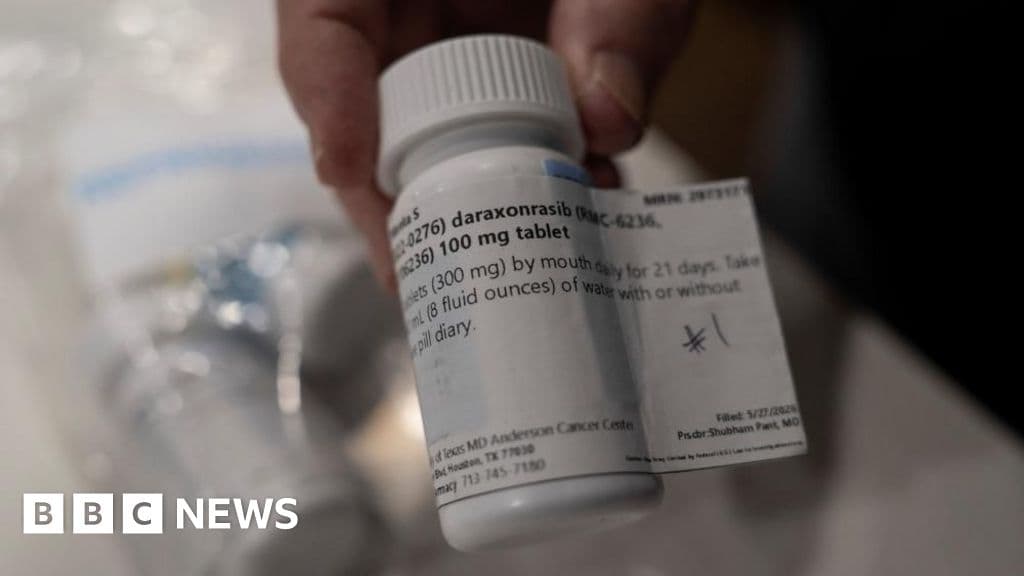
Discover how daraxonrasib, a new pill, is nearly doubling survival rates for pancreatic cancer patients, offering hope in a challenging battle against this deadly disease.
BBC Health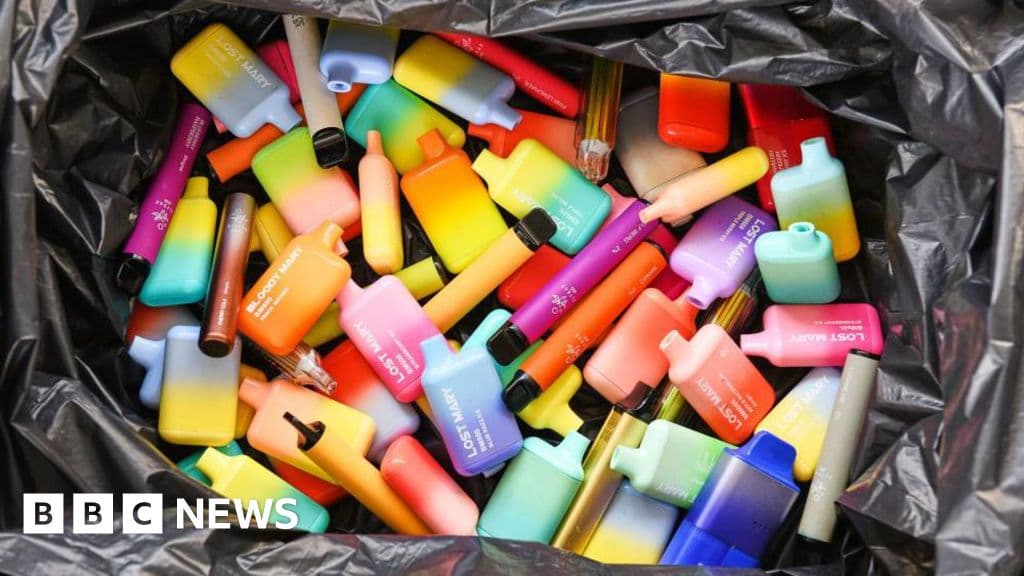
Waste companies propose a £5 deposit on vapes to encourage proper disposal and curb littering as the environmental impact of vapes increases.
BBC Business