
Image: BBC Health
The WHO has raised the Ebola outbreak risk in DR Congo to 'very high'. New vaccines are in development as cases and fears rise in affected regions.
GlipzoThe World Health Organization (WHO) has escalated the public health risk from the ongoing Ebola outbreak in the Democratic Republic of Congo (DR Congo) from "high" to "very high". This announcement came during a press briefing on Friday from WHO's Director-General, Dr. Tedros Adhanom Ghebreyesus. While the situation in DR Congo has intensified, the risk to neighboring regions in Africa is classified as "high", and the global risk remains "low".
The current outbreak is caused by the Bundibugyo strain of the Ebola virus, which has no proven vaccine and has a fatality rate of approximately 33% among those infected. So far, it has led to 177 suspected deaths and 750 suspected cases, alarming health officials and local communities alike.
In what could be a significant development, scientists at Oxford University in the UK are working on a new vaccine that may enter clinical trials within the next two to three months. This vaccine utilizes the same technology as the AstraZeneca COVID-19 vaccine, although its efficacy remains untested until animal studies and human trials are completed.
The Serum Institute of India is prepared to mass-produce the vaccine as soon as Oxford can provide the necessary medical-grade materials. Meanwhile, another experimental vaccine targeting the Bundibugyo strain is also in the pipeline, but it could take six to nine months before any doses are ready for testing. Dr. Vasee Moorthy, WHO's research and development advisor, has referred to this vaccine as the most promising option thus far.
During the briefing, Dr. Tedros reported that 82 cases have been confirmed in DR Congo, with seven confirmed deaths. The situation in neighboring Uganda remains stable, with just two confirmed cases and one associated death, both linked to travel from DR Congo.
The Ebola virus, although less lethal than other strains, poses a severe threat due to its rarity and the limited resources available for containment and treatment. Traditionally, Ebola outbreaks can be traced back to animal hosts, commonly fruit bats, with human infections often occurring through direct contact with infected animals or individuals.
On Sunday, the WHO declared a public health emergency of international concern, clarifying that the situation does not yet warrant a pandemic classification. Dr. Tedros emphasized the necessity of building public trust, especially as violence and insecurity in the conflict-prone region hinder effective response efforts. In a recent incident, enraged family members set fire to a hospital after health workers refused to release the body of an Ebola victim due to contamination risks.
Local politician Luc Malembe Malembe described the chaotic scene at Rwampara General Hospital, where projectiles were thrown, and isolation tents were burned. Medical personnel in the area are now under military protection as police restore order.
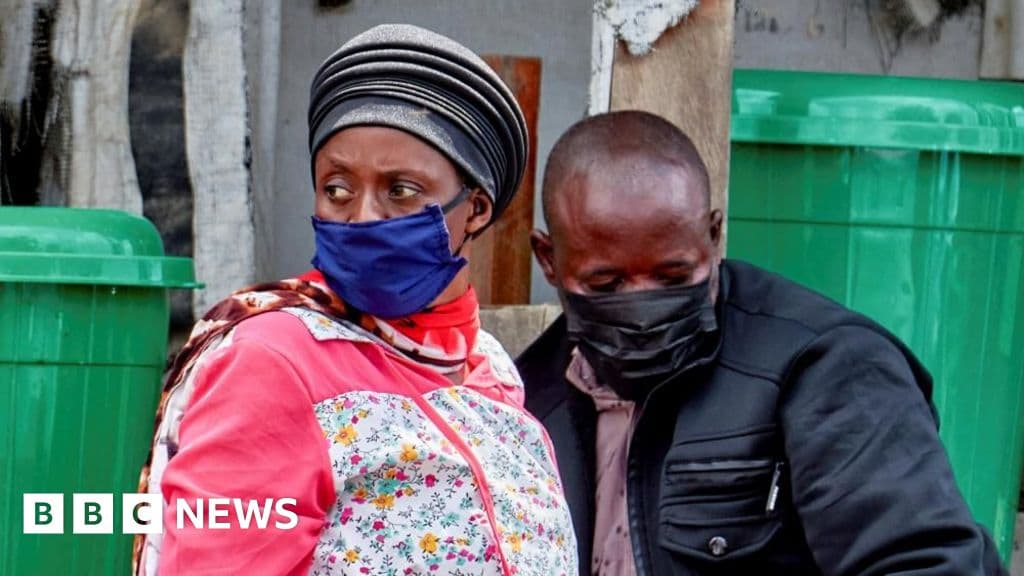
With the number of suspected deaths on the rise, fear has permeated the communities affected by the outbreak. Residents express deep concern about the rapid spread of the disease. One young taxi driver from Rwampara shared his anxiety, stating, "Ebola has tortured us. I am scared because people are dying very fast... we are really afraid."
Another local, Fred Kiza, echoed similar sentiments, highlighting that such fear is a natural response during outbreaks of deadly diseases.
As the situation develops, it is crucial for health authorities and organizations like the WHO to enhance their response strategies. Continued monitoring and support for vaccine development will be vital in combating this outbreak. With the potential for new vaccines on the horizon, the international health community must remain vigilant.
The coming months will be critical in determining the trajectory of the Bundibugyo Ebola outbreak and whether the newly developed vaccines will prove effective in containing it. The health of millions may depend on the response strategies implemented today, underscoring the importance of global solidarity in addressing public health crises.
Shocking findings from Nottingham's maternity unit reveal a toxic culture and alarming neglect. What can be done to improve care? Discover the details.
BBC Health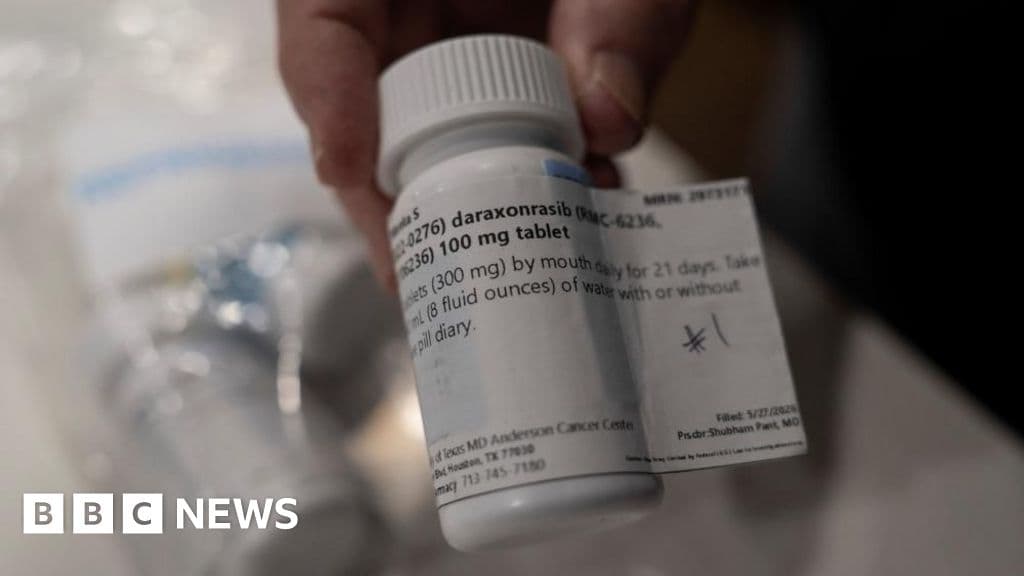
Discover how daraxonrasib, a new pill, is nearly doubling survival rates for pancreatic cancer patients, offering hope in a challenging battle against this deadly disease.
BBC Health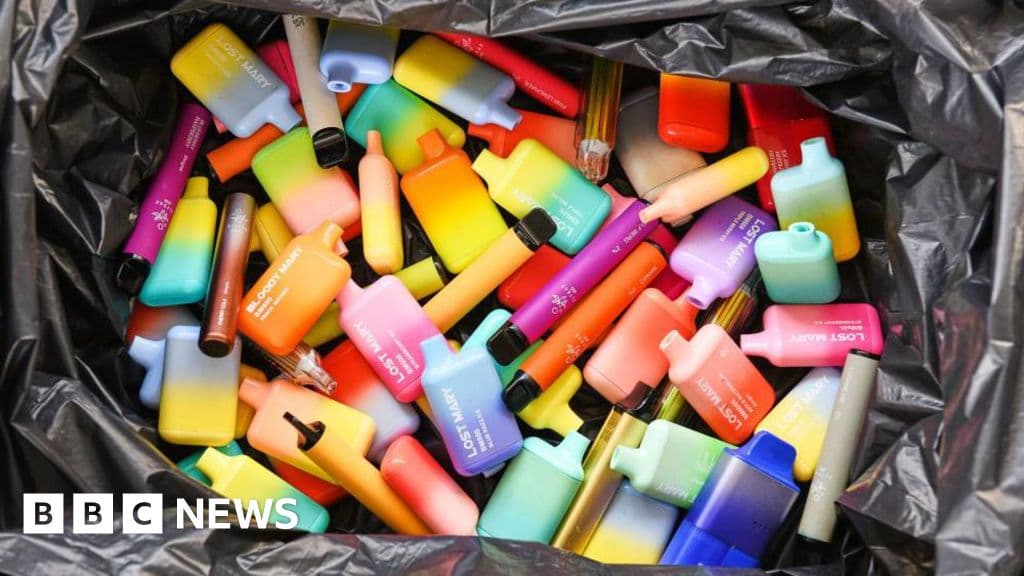
Waste companies propose a £5 deposit on vapes to encourage proper disposal and curb littering as the environmental impact of vapes increases.
BBC Business