
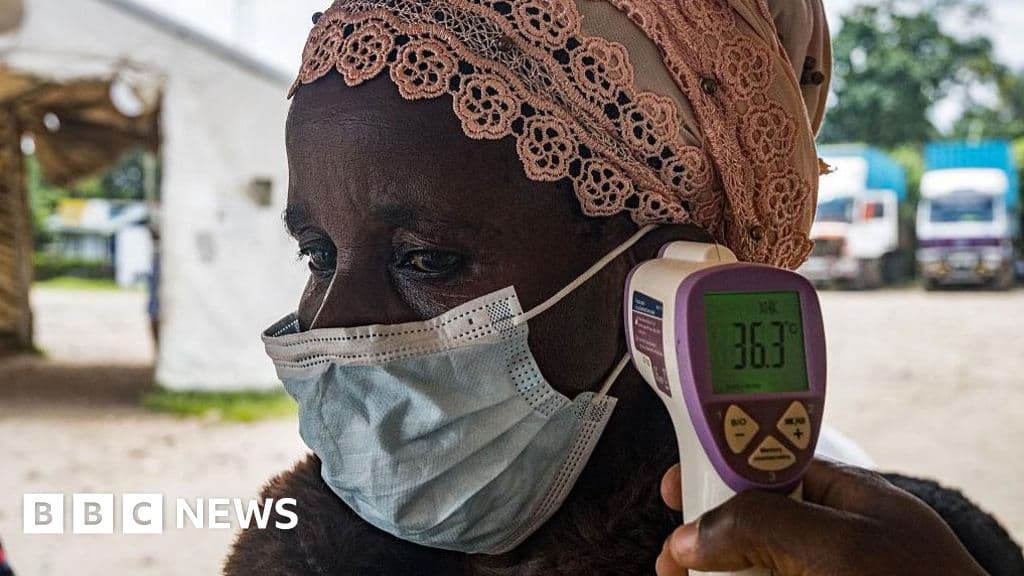
Image: BBC World
Fear escalates in eastern DR Congo as Ebola outbreak spreads. With over 500 suspected cases, local communities demand urgent action from health officials.
GlipzoTensions are escalating in eastern Democratic Republic of Congo as the region grapples with a deadly Ebola outbreak that has taken a rising toll on its communities. With health authorities struggling to contain the situation, many residents are expressing their deep-seated fears about the rapid spread of the virus.
An alarming 514 suspected cases have been reported, with 136 fatalities, raising significant concerns among locals. "Ebola has tortured us," lamented a taxi rider in the gold-mining town of Rwampara, capturing the anxiety that has gripped many. This outbreak has prompted urgent calls for effective health measures and community vigilance.
Dr. Samuel Roger Kamba, the Congolese Health Minister, recently visited Ituri province, the outbreak's epicenter, admitting that health teams are behind in their response efforts. The virus may have been circulating undetected long before its official recognition on April 24.
The outbreak is traced back to a nurse who died in the provincial capital Bunia but was buried in Mongwalu, another gold-mining hub that has become a focal point of the crisis. Most of the suspected cases and deaths are concentrated in Mongwalu and neighboring Rwampara. Local resident Fred Kiza echoed the community's sentiment: "There is fear, which is normal when there's a disease like this." He also suggested the distribution of protective masks to help mitigate the spread.
The Health Ministry's latest updates indicate that one death has also occurred in Uganda, highlighting the potential for cross-border transmission. Cases have been confirmed in several areas, including Butembo and the rebel-controlled city of Goma in North Kivu province, along with neighboring South Kivu.
One of the critical challenges in managing this outbreak has been the underreporting of cases. Many deaths occurred within communities without being reported, leaving health authorities unable to investigate these incidents in a timely manner. Dr. Kamba emphasized that effective community-level health alerts only began on May 8, suggesting that the virus had likely spread before formal reporting began.
"At the community level, this hasn't been effective," Dr. Kamba stated, pointing out that there may have been earlier cases that went unreported. The Bundibugyo strain of Ebola, which is responsible for this outbreak, has historically caused lower visibility symptoms compared to the more familiar Zaïre strain, complicating early diagnoses.
Residents in Mongwalu have attributed some deaths to witchcraft, demonstrating the local beliefs surrounding illness and death. This phenomenon, referred to as the "coffin phenomenon," posits that touching the coffin of a deceased individual could lead to death from the same illness.
The Bundibugyo strain of Ebola, first identified in 2007 and seen again in 2012, has a mortality rate of about 30% among infected individuals. Symptoms can include severe bleeding and high fever, but early signs may be mistaken for common illnesses like malaria, delaying diagnosis and treatment.
International charity Save the Children has raised concerns that the Bundibugyo strain had not previously been detected in Ituri province, leading to a slow response due to the lack of appropriate testing capabilities. "By the time the Bundibugyo strain was detected, it had already spread quite far. We are in a game of catch-up," said Greg Ramm, the charity's representative in DR Congo.
The potential for the virus to infiltrate larger urban areas poses significant challenges for public health officials. Many residents express frustration over the lack of an operational Ebola treatment center in key areas despite the outbreak's declaration being made five days prior.
In the capital Bunia, and bustling cities like Butembo and Goma, which are home to hundreds of thousands, there currently exists a critical gap in healthcare infrastructure. Without appropriate facilities to treat Ebola patients, the risk of wider transmission looms large. Local residents have reported that basic health guidelines, including avoiding handshakes and practicing regular handwashing, are often ignored.
As the situation continues to develop, health officials are calling for increased community awareness and engagement to combat the spread of the virus. With health teams racing against time to contain the outbreak, the situation remains precarious.
Looking ahead, it is essential for local communities to remain vigilant and proactive in reporting suspected cases and adhering to recommended health guidelines. Authorities must also prioritize the establishment of treatment centers and improve testing capabilities to effectively manage the outbreak.
The urgency of the situation cannot be overstated; as this outbreak unfolds, the health and safety of countless individuals hang in the balance. The international community's support, combined with local efforts, will be crucial in turning the tide against this deadly virus.
In summary, the unfolding health crisis in eastern DR Congo underscores the importance of early detection, community involvement, and robust health infrastructure in combating infectious disease outbreaks. As the Ebola virus continues to spread, all eyes will be on the region to see how swiftly and effectively local and international efforts can respond to this urgent public health threat.

Shocking findings from Nottingham's maternity unit reveal a toxic culture and alarming neglect. What can be done to improve care? Discover the details.
BBC Health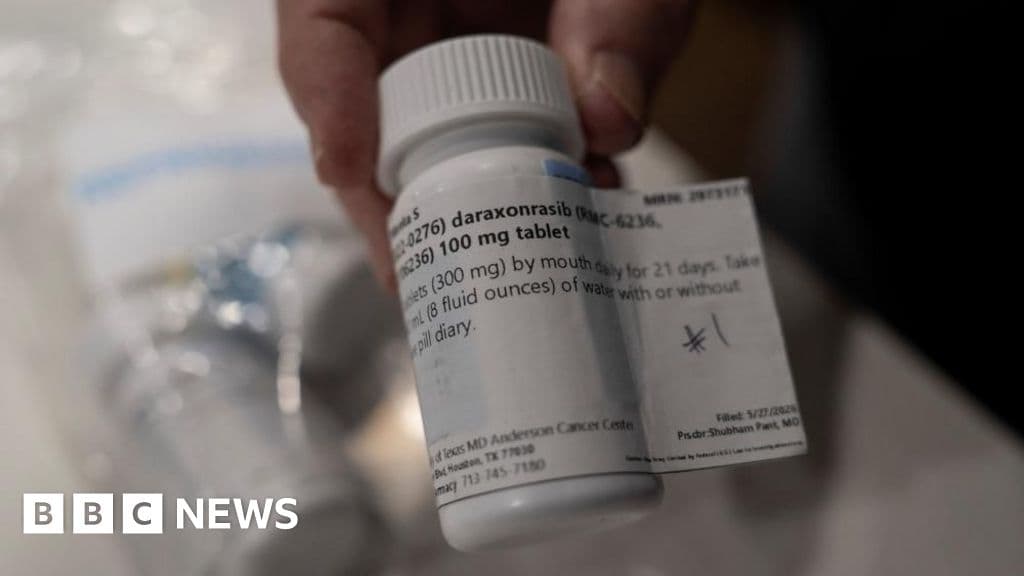
Discover how daraxonrasib, a new pill, is nearly doubling survival rates for pancreatic cancer patients, offering hope in a challenging battle against this deadly disease.
BBC Health
Waste companies propose a £5 deposit on vapes to encourage proper disposal and curb littering as the environmental impact of vapes increases.
BBC Business