
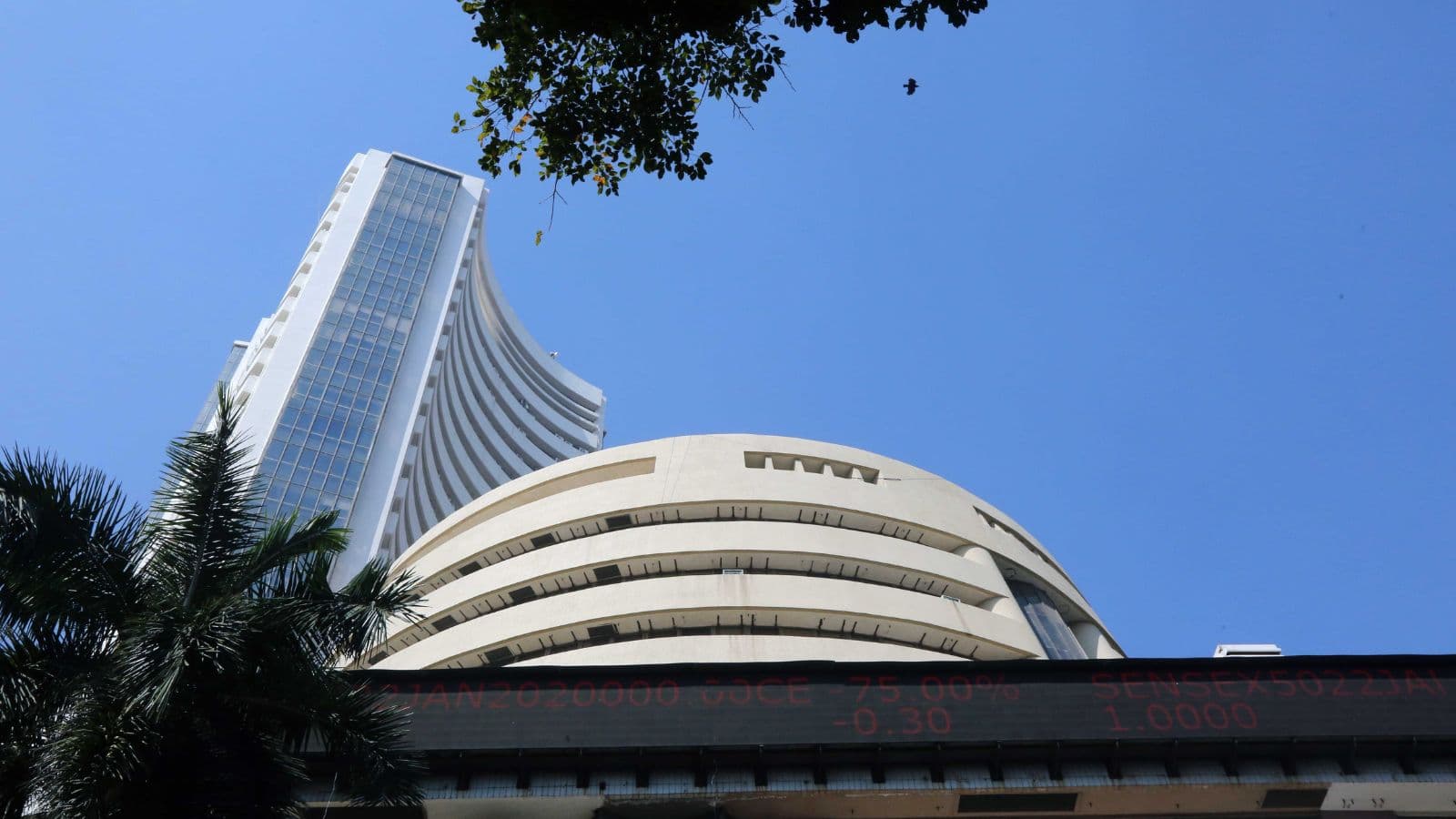
Image: Indian Express
India's stock markets plummet 0.8% amid uncertainty over US-Iran negotiations. What does this mean for investors moving forward? Read on to find out.
GlipzoIn a striking turn of events, India's stock markets opened with a significant dip of around 0.8% on Monday, driven by ongoing uncertainties concerning a potential agreement between the United States and Iran aimed at resolving the escalating conflict in the Middle East. The looming deadline set by US President Donald Trump for Iran to reopen the Strait of Hormuz has added to the market's unease, leading investors to adopt a cautious approach.
The BSE Sensex saw a steep decline, falling by 617.63 points to settle at 73,489.22, while the NSE’s Nifty 50 plunged 188.70 points, closing at 22,779.55. Such fluctuations have raised questions about the stability of the markets amid international tensions, making investors wary of their next moves.
As the trading day progressed, at 8:01 am, GIFT Nifty futures indicated a further drop, with forecasts suggesting that the benchmark Nifty 50 would open lower than its previous close of 22,968.25 points. This downward trend underscores the market's sensitivity to geopolitical developments. Investors are keeping a close watch on the situation, particularly as both the Nifty 50 and Sensex had shown signs of recovery the previous day, closing approximately 1.1% higher after both nations appeared to be exploring a framework for peace.
The potential agreement between the United States and Iran holds significant implications for the global economy, particularly in oil markets. The Strait of Hormuz is a crucial passage for a substantial portion of the world's oil supply, and any instability in the region can lead to drastic changes in oil prices, which in turn affects stock market performance.
The current decline in the Sensex and Nifty serves as a reminder of the interconnectedness of global events and local markets. Investors often react to geopolitical events, and the fluctuations seen on Monday highlight the immediate impact of international relations on the Indian economy.
As these elements coalesce, they can create a challenging environment for traders and investors alike. The ongoing situation necessitates close monitoring as developments unfold.
Looking ahead, investors should prepare for potential continued volatility as negotiations between the United States and Iran progress. The political landscape in the Middle East can change rapidly, and these changes can have direct repercussions on global markets.
In conclusion, the recent downturn in the Indian stock markets reflects broader geopolitical uncertainties. Investors should remain vigilant and adaptive in order to navigate this complex landscape effectively. As the situation evolves, staying informed will be key in making prudent investment decisions.
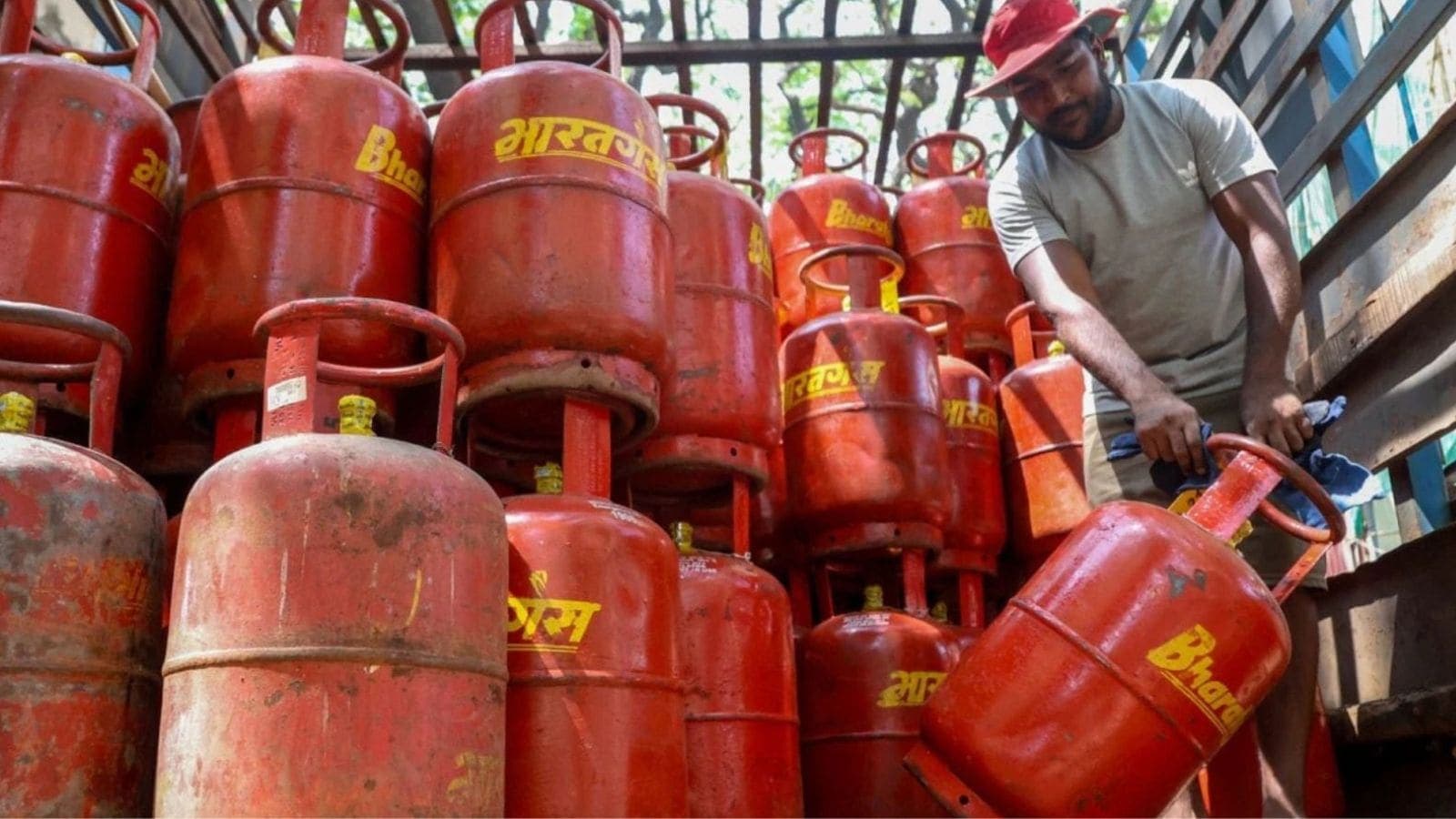
Commercial LPG prices have risen again, with increases of ₹42 in Delhi and ₹53.50 in Kolkata impacting businesses and consumers alike. Find out more.
Indian Express
Discover how a tragic coal mine explosion in Shanxi, China, reveals ongoing safety concerns in the industry amidst a push for green energy.
BBC Business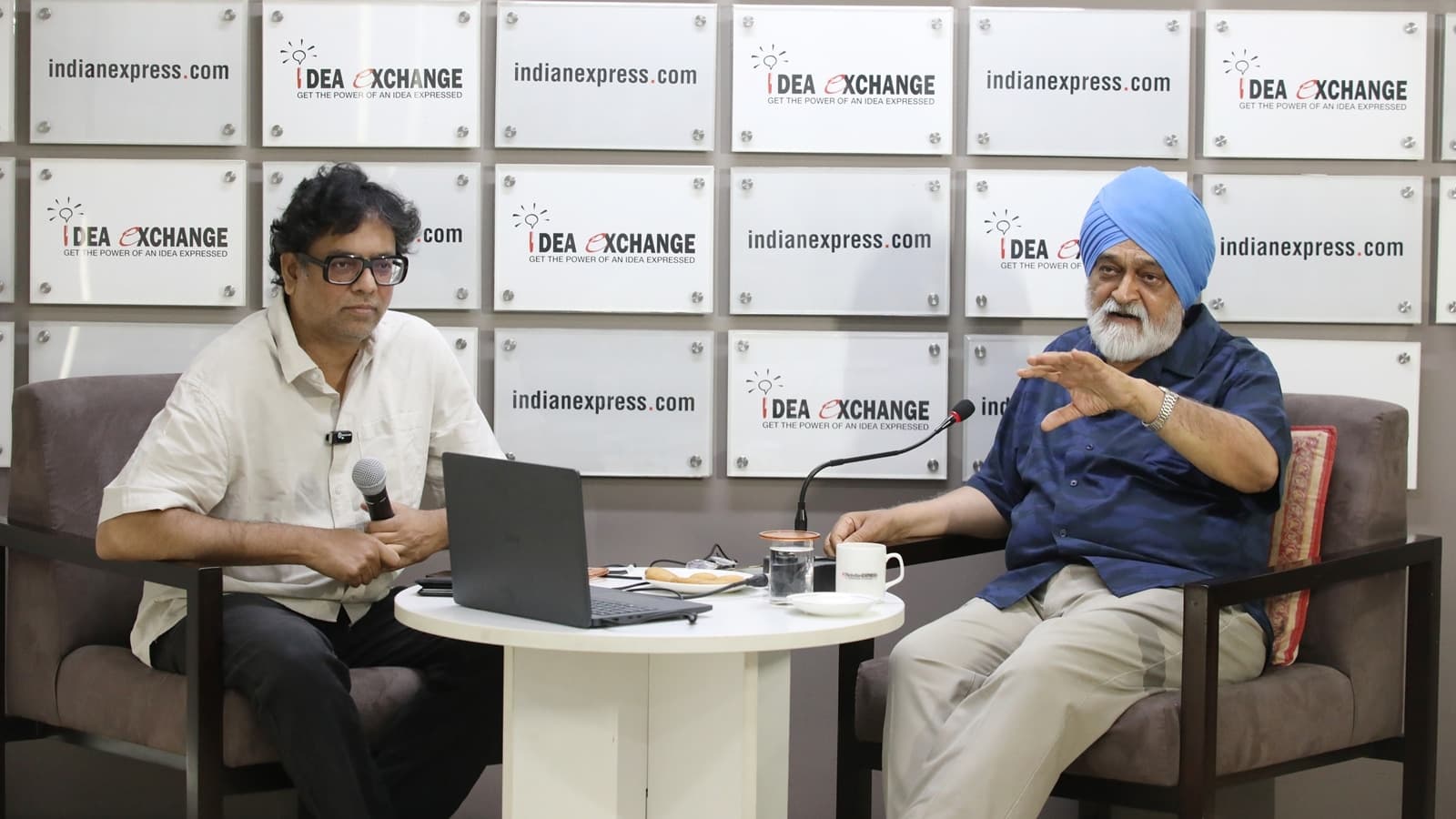
Montek Singh Ahluwalia highlights key economic challenges for India, emphasizing the need for a strategic approach to balance payments and investment.
Indian Express