

Image: The Hindu
Discover how the ongoing Gulf conflict is crippling Indian airlines, leading to flight cancellations and operational challenges across the industry.
GlipzoAccording to industry sources, approximately 25% of Air India Express's fleet, which consists of 115 aircraft, is currently grounded. This situation reflects a broader trend impacting multiple airlines in India. The grounding is not officially mandated; rather, aircraft are flying infrequently—about every three to four days—to maintain serviceability due to a lack of available parking stands at airports. This idle status is a stark contrast to the usual operational frequency, severely impacting revenues and connectivity for passengers.
While flights to Oman have remained consistent, major hubs such as Dubai, Doha, and Abu Dhabi continue to experience severe disruptions. These destinations, which are typically bustling with traffic, have seen a drastic reduction in flights, impacting not only airlines but also passengers who rely on these routes for travel to further destinations like the U.S., Canada, and Europe. In 2025 alone, nearly 40 million passengers traveled between India and the Gulf, making it the largest international aviation corridor for Indian airlines.
Airlines like IndiGo, which previously relied heavily on Gulf routes for international operations—accounting for 35% to 40% of their international flights—are now seeing many of their aircraft idle overnight. This shift from frequent back-and-forth flights to parking has added to the economic strain, as it is more expensive to maintain aircraft in the air than to keep them grounded.
Air India Express, initially established in 2004 to serve the low-cost travel market primarily for migrant workers between southern India and the Gulf, has had to adapt significantly since its acquisition by the Tata Group. While the airline continues to operate a substantial number of flights to Gulf destinations—around 30% of its total flights—the ongoing conflict has forced it to reconsider its operational strategies.
As airlines grapple with these operational hurdles, it is crucial for them to develop contingency plans that can adapt to changing circumstances. Additionally, the focus may shift towards enhancing domestic operations to offset losses from international routes, especially in light of growing travel demand within India itself.
In conclusion, the Gulf conflict is not just a regional issue but one that has far-reaching implications for Indian aviation. The industry must remain agile, responsive, and innovative to navigate these turbulent times successfully. Stakeholders and passengers alike will be closely monitoring developments, as the repercussions of this conflict continue to unfold in the coming months.
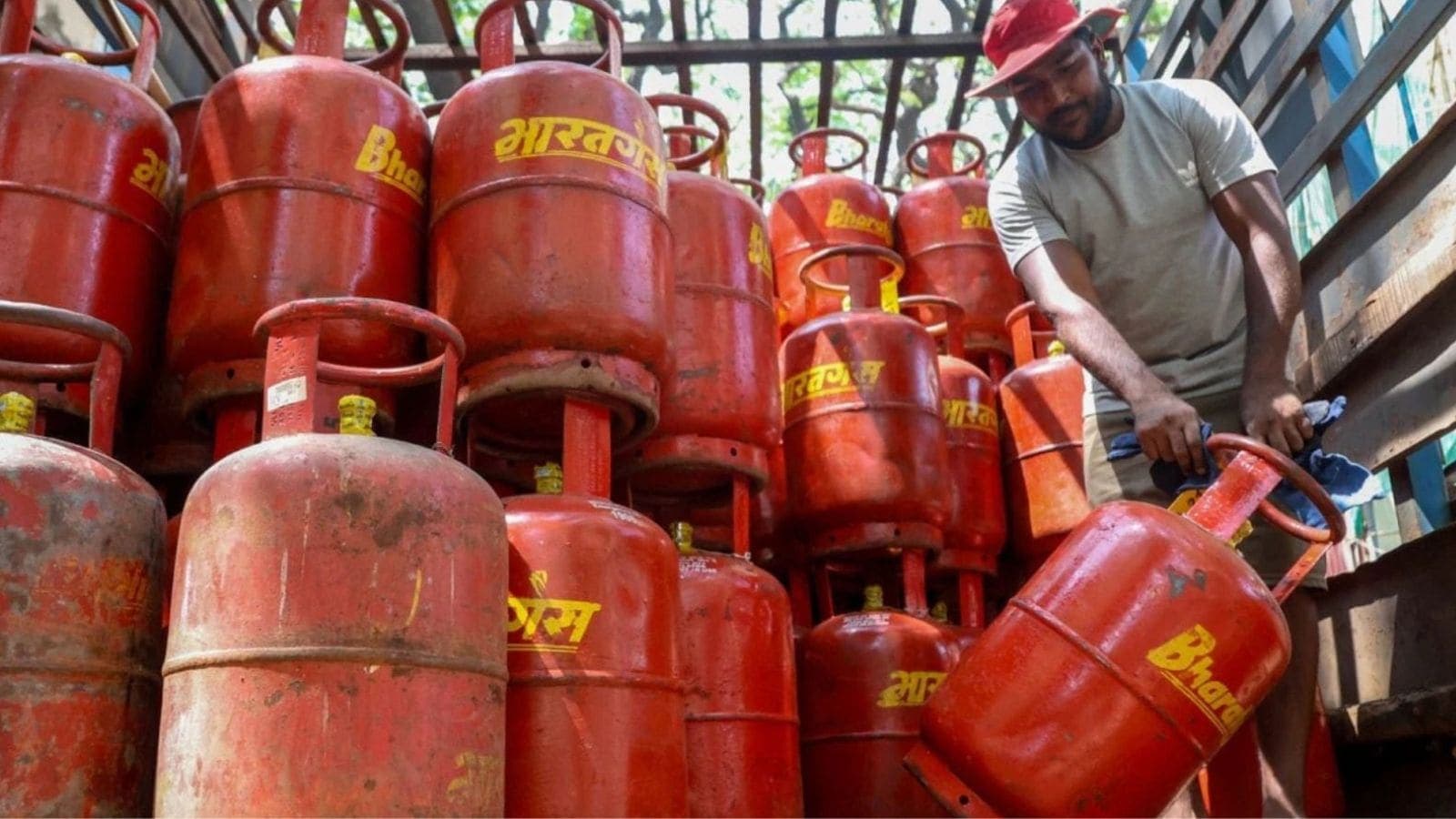
Commercial LPG prices have risen again, with increases of ₹42 in Delhi and ₹53.50 in Kolkata impacting businesses and consumers alike. Find out more.
Indian Express
Discover how a tragic coal mine explosion in Shanxi, China, reveals ongoing safety concerns in the industry amidst a push for green energy.
BBC Business
Montek Singh Ahluwalia highlights key economic challenges for India, emphasizing the need for a strategic approach to balance payments and investment.
Indian Express