
Image: BBC Health
A six-day strike by resident doctors in England begins today, disrupting NHS services as pay disputes escalate. What does this mean for patients?
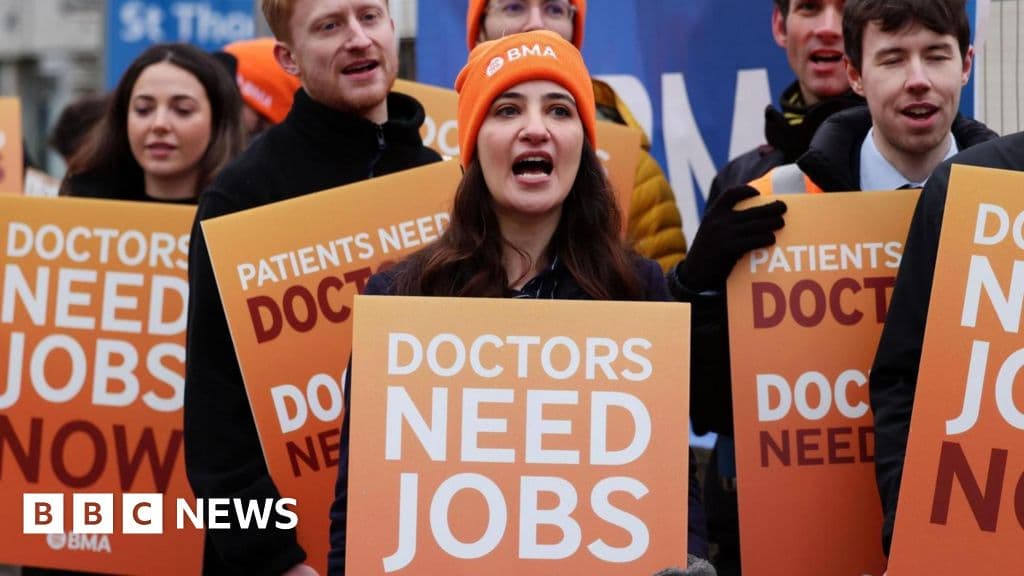
GlipzoIn a significant development for the National Health Service (NHS), resident doctors across England have commenced a six-day strike starting at 07:00 BST on Tuesday, marking their 15th walkout in an ongoing dispute centered around pay issues. This industrial action is poised to create considerable disruption to healthcare services, as resident doctors constitute nearly 50% of the NHS workforce.
With the strike underway, senior medical professionals are being mobilized to cover essential emergency services, but this contingency plan has resulted in the cancellation of numerous pre-scheduled treatments and appointments. The strike stems from a breakdown in negotiations between the British Medical Association (BMA) and the government last month, escalating tensions surrounding healthcare worker compensation.
The NHS is advising patients to seek medical help when necessary, emphasizing that those facing emergency or urgent health issues should continue to utilize the 999 and 111 services as usual. Patients with prearranged appointments are encouraged to attend unless they receive alternative instructions. Notably, general practitioner (GP) services are largely expected to remain unaffected by the strike.
Among those feeling the impact of the strike is Adrian Emery, a 55-year-old resident of Nottinghamshire. He was scheduled for a critical telephone consultation to discuss his medication after experiencing multiple mini strokes, also known as transient ischemic attacks (TIAs), earlier this year. This appointment was not only crucial for his health management but was also a follow-up to a previously rescheduled session in mid-June, which has now been cancelled.
Emery expressed his anxiety about the situation: "I'm very worried, because my grandfather actually had a very serious stroke. I hope I don't have a full stroke before I am seen." His concerns reflect a broader unease among patients who rely on timely healthcare access, especially as the ongoing strikes threaten their medical appointments.
Despite receiving pay increments totaling 33% over the last four years, the BMA argues that doctors' salaries are still effectively 20% lower than in 2008 when adjusted for inflation. Dr. Jack Fletcher, chair of the BMA's resident doctor committee, articulated the frustrations of healthcare professionals: "It's very regrettable and I am very sorry to any patients who are affected by this industrial action." He further emphasized that the request for increased pay is reasonable considering the real-terms cuts that have occurred and the potential for worsening economic conditions, particularly in light of rising inflation linked to the ongoing Iran war.
Dr. Fletcher pointed out that the strike was "wholly avoidable" had there been a willingness from the government to negotiate. He clarified that the BMA is not seeking immediate pay restoration but rather a fair adjustment reflecting the current economic landscape.
In response to the strike, a Department of Health and Social Care spokesperson expressed disappointment over the BMA's decision to continue industrial action despite what they termed a "generous deal" offered to resident doctors. The government’s focus is now on minimizing disruption to the NHS while prioritizing patient safety.
Recent polling by YouGov indicates that public sentiment is largely against the strikes, with 53% opposing them and only 38% expressing support. This divide in public opinion underscores the complex dynamics at play in the healthcare debate.
The government previously proposed a package aimed at resolving the dispute, which included provisions for covering out-of-pocket expenses such as exam fees, expedited pay progression through the salary bands for resident doctors, and additional training posts for specialties. However, elements of this offer were reportedly diluted at the last moment, leading to further discontent.
The future of the NHS remains uncertain as this strike unfolds. The government has withdrawn the promise of creating 1,000 new training posts after the BMA's announcement of strike action, intensifying concerns about future staffing levels. The context is further complicated by the fact that last summer saw 30,000 applicants vying for just 10,000 job openings, including a significant number of foreign doctors, indicating a concerning trend in the recruitment and retention of medical professionals within the NHS.
The government maintains that it will not negotiate further on pay after providing the most substantial pay increases in the public sector, including a recent 3.5% pay rise for doctors. Starting salaries for resident doctors are now just above £40,000, while senior doctors earn approximately £76,500, with potential for additional income through overtime and unsocial hours.
As the strike progresses, the public and patients alike will be watching closely to see how this situation evolves. The ramifications of this industrial action could have lasting impacts on both the morale of healthcare workers and the overall functionality of the NHS. The central question remains: will the government and the BMA find common ground, or will this conflict deepen, leading to more strikes in the future?
This dispute is not just about pay; it signifies the broader struggles faced by healthcare professionals in maintaining quality patient care under financial pressures. As the NHS battles staffing shortages and growing patient demands, the outcome of these negotiations will be pivotal in shaping the future of healthcare in England.
Looking ahead, monitoring how both sides respond to public sentiment and the evolving healthcare landscape will be critical. The potential for future strikes looms large if an agreement is not reached, exacerbating the ongoing challenges within the NHS.

Shocking findings from Nottingham's maternity unit reveal a toxic culture and alarming neglect. What can be done to improve care? Discover the details.
BBC Health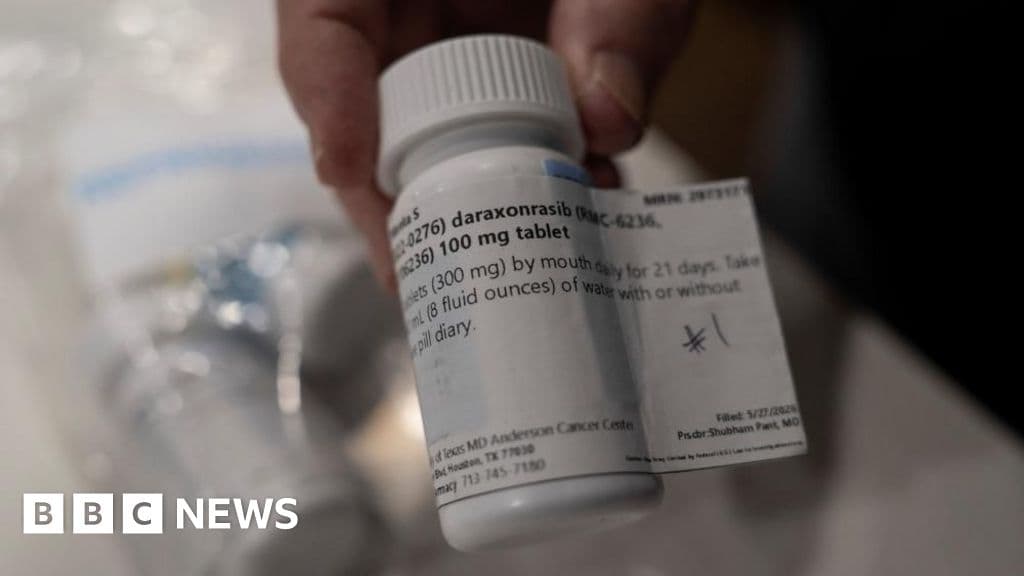
Discover how daraxonrasib, a new pill, is nearly doubling survival rates for pancreatic cancer patients, offering hope in a challenging battle against this deadly disease.
BBC Health
Waste companies propose a £5 deposit on vapes to encourage proper disposal and curb littering as the environmental impact of vapes increases.
BBC Business