

Image: Mint (Business)
Explore the impact of the Strait of Hormuz disruptions on global oil supply routes. What alternatives are emerging as tensions escalate? Click to find out!
GlipzoThe ongoing tensions in the Strait of Hormuz have triggered a significant disruption in oil operations, as Iran continues to suspend activities following military strikes by the United States and Israel. Since February 28, the situation has escalated without any signs of resolution, prompting Saudi Arabia to propose alternative oil supply routes to its long-term customers. This shift could have far-reaching implications for global oil markets and prices.
In a critical response to the crisis, Saudi Arabia has begun offering oil shipments via the Red Sea port of Yanbu for April allocations. However, this option comes with limitations. According to a report by Bloomberg, customers opting for the Yanbu route will receive only a portion of their requested supply, contingent on the capacity of a 1,200 km pipeline that feeds into the port. This alternative highlights the challenges companies face as they navigate the increasingly complex landscape of global oil logistics.
While the Red Sea option is available, it poses additional challenges for oil shipments destined for Asia. As noted by the Hindustan Times, vessels must navigate around the Arabian Peninsula, increasing both shipping time and costs. The longer route not only impacts delivery schedules but also exacerbates the overall cost of oil, which has already been influenced by the ongoing conflict.
Aramco, the state-owned oil company of Saudi Arabia, has been ramping up shipments through Yanbu since the war began, now entering its third week. In a notable shift, the company has started offering crude oil loaded from Yanbu through spot market tenders, a departure from its traditional sale methods. Despite this, traders remain cautious about sourcing oil from the Persian Gulf, given the risk of supply disruptions if the Strait of Hormuz remains blocked.
Another potential route for oil shipments connects the Indian Ocean to Europe via the Red Sea and the Suez Canal. Ships must navigate from the Arabian Sea, through the narrow Bab el-Mandeb Strait, and then into the Red Sea to access the canal. This route is considered one of the fastest for delivering oil shipments westward, but it is not without its own risks and costs.
As reported by Mint, the situation has caused Europe-bound shipments from India to become more expensive and slower, as many global shipping lines are opting for the longer route around the Cape of Good Hope at the southern tip of Africa. This shift is a direct consequence of rising tensions between the U.S. and Iran, which have led to increased shipping costs due to longer travel times and heightened risk assessments.
Hari Radhakrishnan, an expert from the Insurance Brokers Association of India (IBAI), pointed out that if the conflict extends, vessels will likely continue to avoid the Persian Gulf and Red Sea. This trend would lead to increased freight rates, ultimately affecting end consumers as shipping margins are typically below 10%.
As the situation continues to evolve, traders suggest that oil shipped from Yanbu to Asia may be marketed on a delivered basis, rather than the customary loading basis where customers manage their own shipping. Currently, the only grade of oil being offered to refiners via Yanbu is Arab Light.
The ongoing conflict has prompted international calls for action. Former U.S. President Donald Trump recently urged allied countries to send naval escorts to the Strait of Hormuz to ensure safe passage for oil supplies. However, U.S. allies have expressed reluctance to become further embroiled in the Iranian conflict.
The blockade at the Strait of Hormuz has profound implications for energy prices worldwide, leading to fears of inflation and economic slowdowns. With a significant portion of the world’s oil supply transiting through this critical strait, disruptions can ripple through global markets, affecting everything from transportation to food supply chains.
As the conflict persists, stakeholders in the oil market must remain vigilant, adapting their strategies to cope with the evolving landscape. The focus will likely shift towards developing more resilient supply chains and exploring alternative routes to mitigate the impact of geopolitical tensions on oil availability and pricing.
In conclusion, the situation in the Strait of Hormuz necessitates close monitoring as global energy markets brace for potential further disruptions. What happens next will depend on diplomatic efforts, military engagements, and the resilience of the global oil supply chain. Investors, consumers, and governments alike will need to stay informed and prepared for the ongoing developments in this critical region.
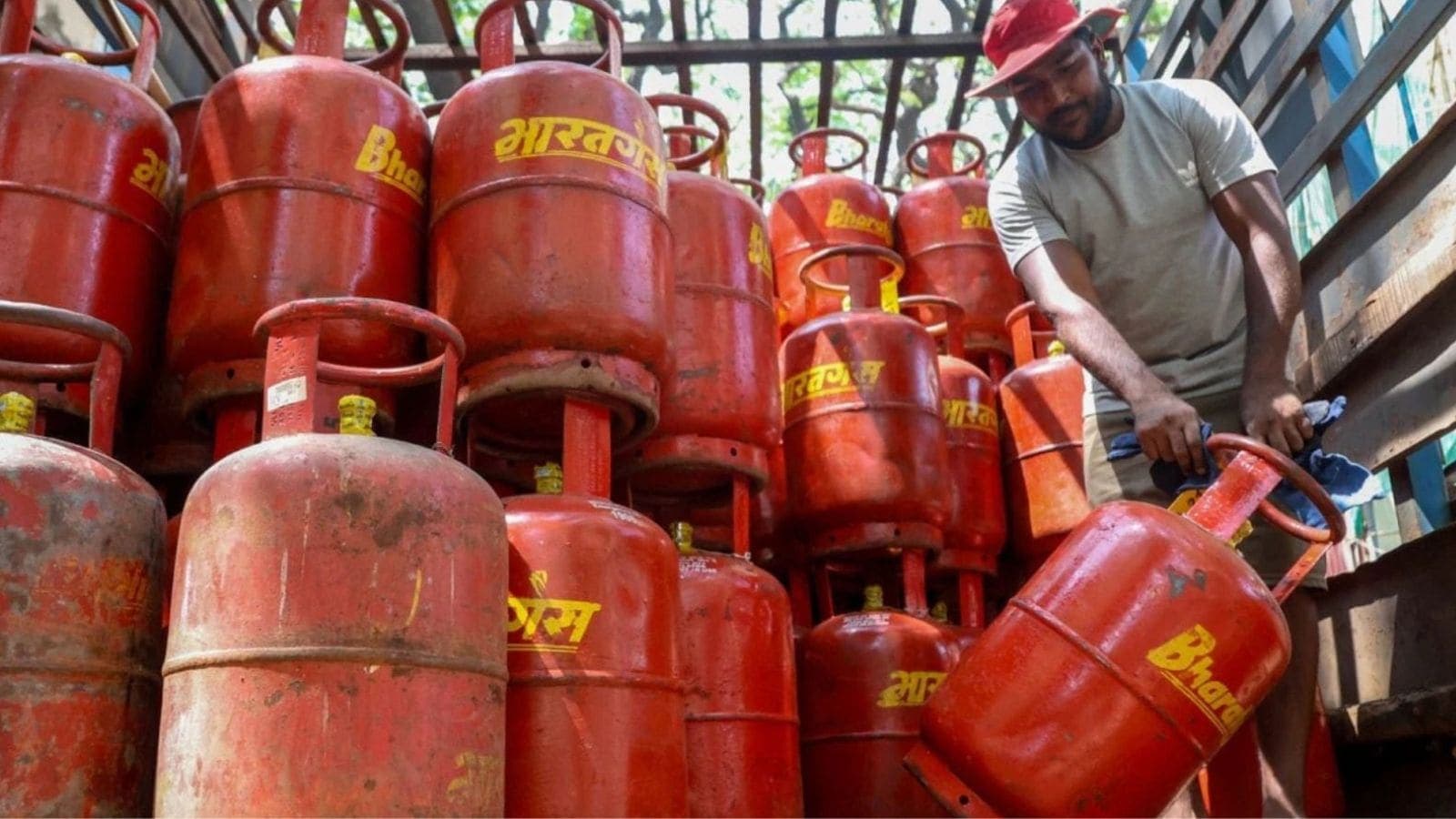
Commercial LPG prices have risen again, with increases of ₹42 in Delhi and ₹53.50 in Kolkata impacting businesses and consumers alike. Find out more.
Indian Express
Discover how a tragic coal mine explosion in Shanxi, China, reveals ongoing safety concerns in the industry amidst a push for green energy.
BBC Business
Montek Singh Ahluwalia highlights key economic challenges for India, emphasizing the need for a strategic approach to balance payments and investment.
Indian Express