
Image: The Hindu
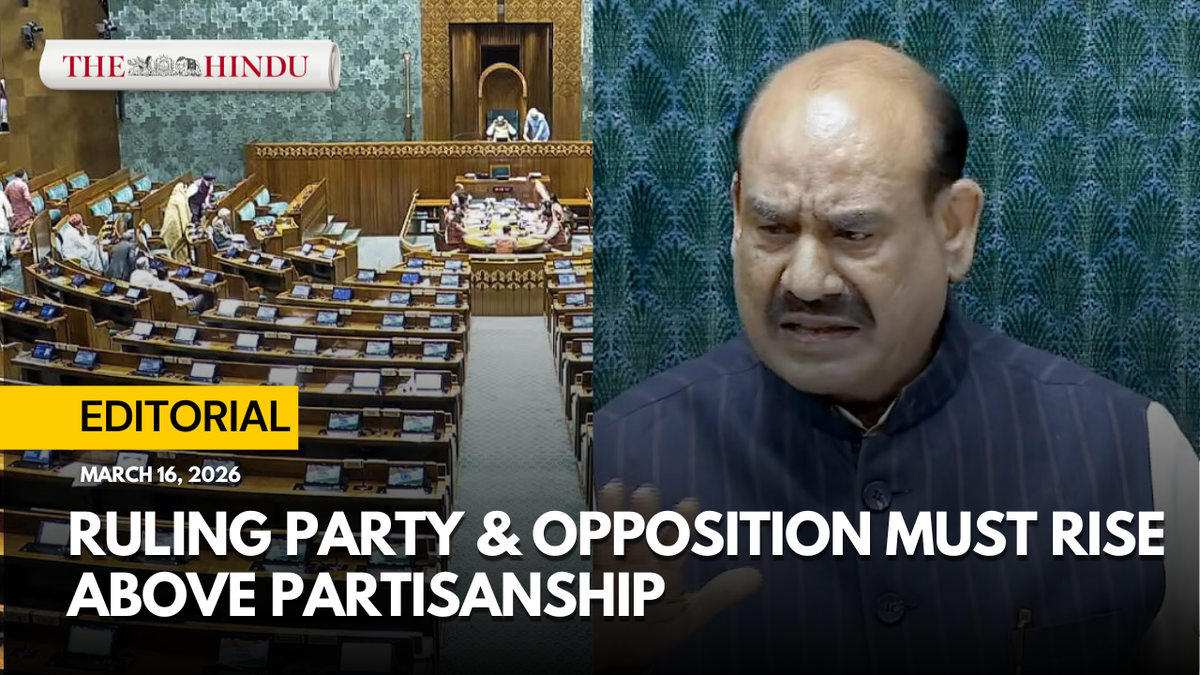
The Lok Sabha rejected a resolution to remove Speaker Om Birla amid intense debate, revealing deepening partisan divides. What does this mean for India's democracy?
GlipzoOn March 11, 2026, the Lok Sabha faced significant turmoil as a resolution aimed at removing Speaker Om Birla was ultimately rejected by a voice vote. This contentious decision unfolded amidst heated debates that underscored the growing divide between the ruling party and the opposition. The discussions not only highlighted the challenges of governance but also raised critical questions about the functionality and decorum expected within the Indian Parliament.
The attempt to oust Speaker Om Birla stemmed from various grievances expressed by opposition parties concerning the management and proceedings of the Lok Sabha. The resolution was grounded in Article 94(C) of the Indian Constitution, which outlines the process for the removal of a Speaker. However, what was expected to be a straightforward procedural discussion escalated into a fiery debate, reflecting deeper partisan rifts.
During the deliberations, opposition leaders criticized the Speaker for allegedly favoring the ruling party, claiming that this bias was detrimental to democratic discourse. The ruling party, on the other hand, defended Birla, arguing that he has maintained the dignity of the House under challenging circumstances. This clash not only intensified rivalries but also raised concerns about the effectiveness of parliamentary operations.
The Speaker of the Lok Sabha holds a pivotal role in maintaining order during debates and ensuring that all voices are heard fairly. As the custodian of parliamentary procedures, the Speaker's ability to manage discussions effectively is essential for upholding democratic principles. When a Speaker is perceived as biased or ineffective, it can lead to a significant breakdown in trust among members, undermining the legislative process.
In this context, the opposition's push to remove Om Birla can be seen as a reflection of broader frustrations with governance and accountability. The timing of the resolution also coincides with rising public dissatisfaction regarding various policy decisions made by the government, making the Speaker's role all the more critical in facilitating constructive debate about these issues.
The rejection of the resolution was met with mixed reactions. Supporters of the ruling party celebrated the outcome as a victory for stability and continuity, while opposition members expressed disappointment and frustration, viewing it as an affirmation of what they perceive to be an increasingly authoritarian approach by the government.
This incident raises important questions about the future of collaboration in Parliament. As 2026 progresses, the stakes are high for both parties as elections loom. With the political atmosphere becoming more charged, both the ruling party and the opposition must find a way to transcend partisanship. Failure to do so could further erode public confidence in democratic institutions and processes.
Looking ahead, it is crucial for both the ruling party and opposition to engage in constructive dialogue and work towards rebuilding trust. As the nation moves toward crucial elections, fostering an environment where diverse opinions can coexist and be debated respectfully is vital.
By taking these steps, the Lok Sabha can better serve its purpose as a forum for democratic debate and decision-making, rather than a battleground for partisan conflict.
The events surrounding Om Birla’s potential removal serve as a microcosm of the broader challenges facing Indian democracy today. As political tensions continue to rise, it is essential for leaders on both sides of the aisle to rise above partisanship and prioritize the nation’s interests. The ability to collaborate effectively will not only determine the fate of legislative initiatives but also the health of India’s democratic fabric.
As we look toward the future, all eyes will be on how the Lok Sabha navigates these complexities and whether it can emerge as a model of cooperation in an increasingly polarized political landscape.
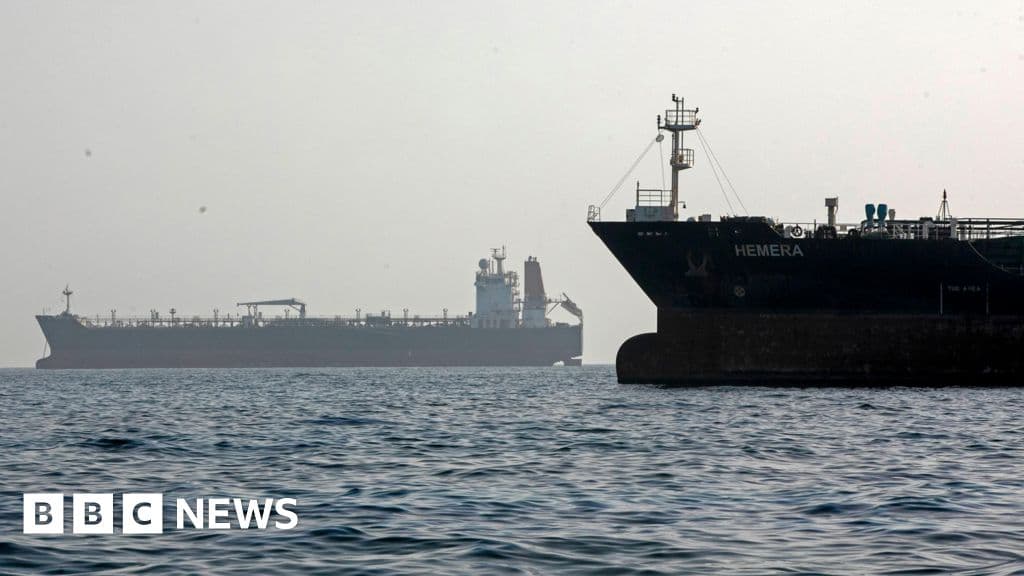
Tensions soar as the US and Iran engage in air strikes near the Strait of Hormuz, raising concerns over global oil supply and regional stability.
BBC World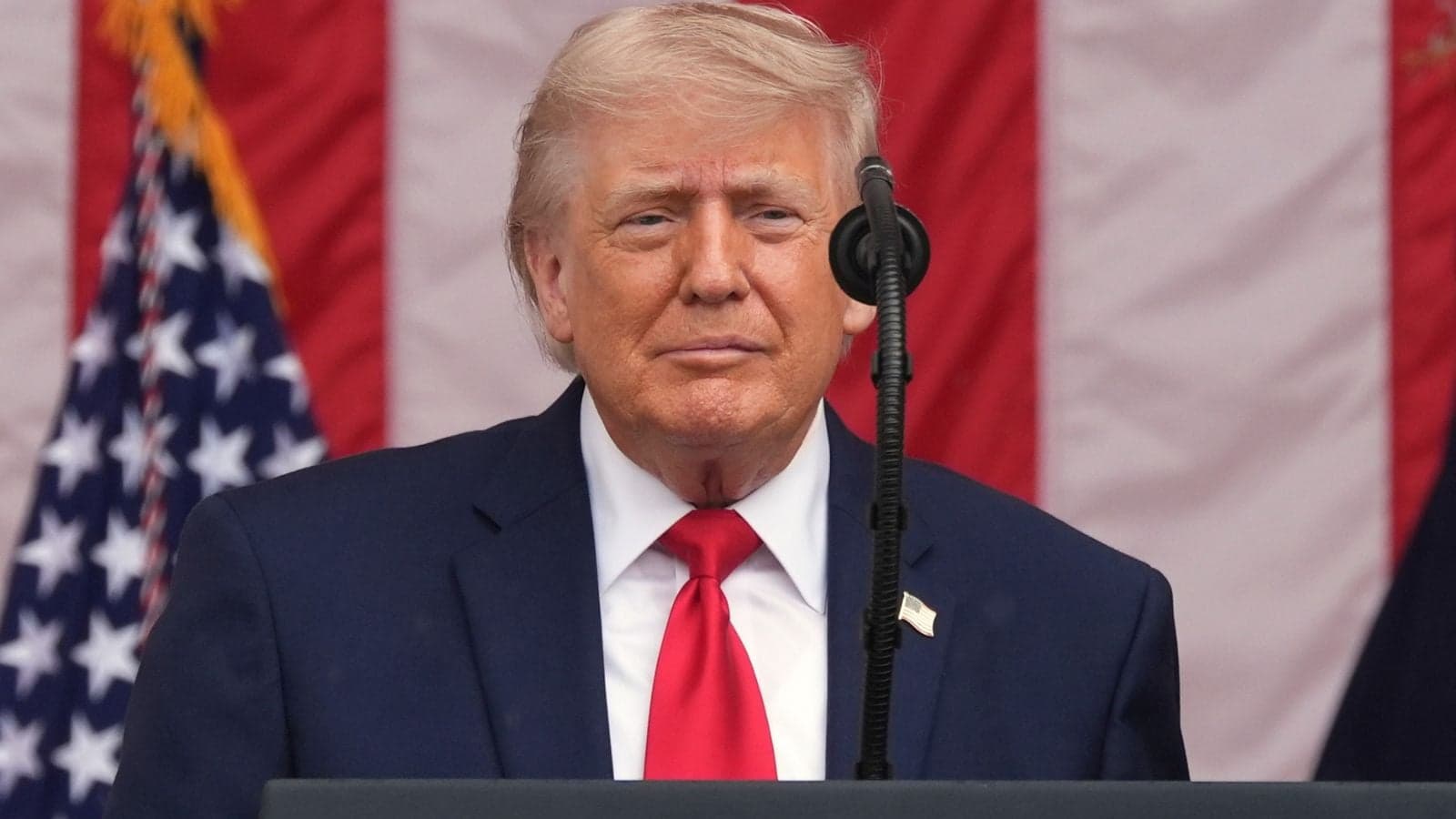
Trump's international interventions face serious stalemates. What will this mean for U.S. foreign policy? Explore the critical challenges ahead.
Indian Express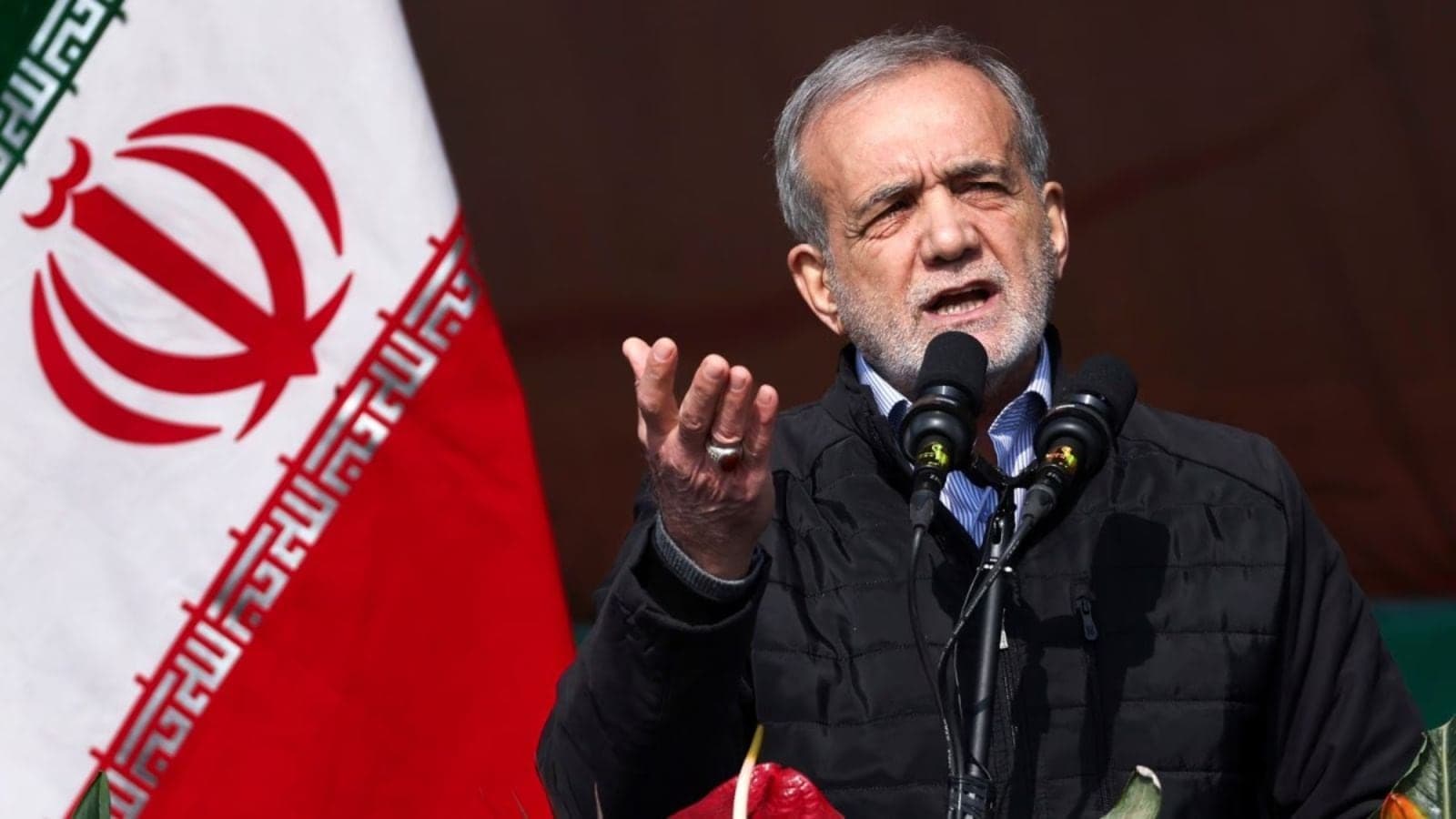
Tehran denies resignation of President Masoud Pezeshkian amid claims of IRGC influence. What does this mean for Iran's political stability? Click to learn more!
Indian Express