

Image: Mint (Business)
A federal judge blocks Robert F. Kennedy Jr.'s vaccine policy changes, citing public health risks. What does this mean for future vaccination strategies?
GlipzoIn a landmark decision, a federal judge has intervened to block significant elements of Health Secretary Robert F. Kennedy Jr.'s proposed modifications to childhood vaccination policies in the United States. On March 16, US District Judge Brian Murphy of Boston ruled against Kennedy's efforts to reduce the number of routine childhood vaccinations, siding with the American Academy of Pediatrics and various other medical organizations. These groups argued that Kennedy's policies would not only decrease immunization rates but also pose serious risks to public health.
Judge Murphy’s ruling marks a significant moment in the ongoing debate over vaccination policies in the U.S. Richard Hughes, the attorney representing the plaintiffs, expressed his satisfaction with the ruling, stating, “This is a significant victory for public health, evidence-based medicine, the rule of law, and the American people.” He acknowledged the potential for an appeal by the government but emphasized the importance of this decision as a positive development for public health advocacy.
The ruling by Judge Murphy underscores the importance of maintaining a scientifically grounded approach to vaccine policy in the United States. In his opinion, he noted that the country has a longstanding commitment to using vaccines as a critical tool in the fight against disease. “For decades, the United States had been focused on the eradication and reduction of diseases using vaccines, which were developed through a method scientific in nature and codified into law through procedural requirements,” Judge Murphy stated. This highlights the essential role that vaccines play in safeguarding public health and highlights the risks associated with altering established protocols.
Kennedy's administration had sought to make sweeping changes, including the reconstitution of the Advisory Committee on Immunization Practices (ACIP). Judge Murphy ruled that Kennedy's appointment of 13 officials aligned with his views was unlawful, thus invalidating their previous votes to amend vaccination recommendations. Notably, this included efforts to downgrade recommendations for critical vaccines such as hepatitis B for newborns and COVID-19 vaccines.
The plaintiffs also raised concerns that the Centers for Disease Control and Prevention (CDC) acted improperly when it reduced the number of routinely recommended childhood vaccinations to 11 in early January. This adjustment downgraded immunization recommendations for several diseases, including rotavirus, influenza, and hepatitis A. Critics argue that these cuts could lead to a resurgence of diseases that vaccines have effectively controlled for years.
Kennedy’s controversial replacement of all 17 independent ACIP experts last year raised alarms among public health advocates, who argued that the panel no longer met the necessary balance as mandated by the Federal Advisory Committee Act. This shift in leadership was seen as a move away from evidence-based decision-making, further exacerbating concerns about public trust in vaccines.
The court's ruling represents a significant defeat for Kennedy, a prominent figure in the anti-vaccine movement who was appointed by former President Donald Trump to lead the US Department of Health and Human Services (HHS). His approach has drawn scrutiny and criticism from various sectors, including vaccine manufacturers like Pfizer, BioNTech, Moderna, Merck, Sanofi, and GSK, who have raised concerns about the instability in U.S. vaccine policy.
In light of the ruling, pediatricians have reported an increase in vaccine hesitancy among parents, a trend that could have long-lasting implications for public health. The ongoing debate about vaccinations continues to be a polarizing issue, particularly in the wake of the COVID-19 pandemic, which has heightened public scrutiny over vaccine policy.
Representatives from the US Department of Justice defended Kennedy's actions, asserting that while the HHS encourages open debate, Kennedy and his team possessed broad authority to implement policy changes aimed at restoring public trust in vaccines, particularly following the pandemic. The tensions surrounding this issue are likely to continue, as the government may choose to appeal the ruling.
As the public health community watches closely, the implications of this ruling will ripple through both political and medical spheres. Observers will be keen to see if the government appeals the decision, and how this ruling may influence future discussions about vaccine policy in the U.S. The ongoing battle over vaccination strategies reflects broader societal attitudes toward public health and government intervention, making it a critical topic for ongoing public debate.
In the meantime, public health advocates will likely continue to rally for evidence-based practices to ensure the safety and efficacy of vaccinations, aiming to maintain high immunization rates and protect vulnerable populations from preventable diseases. The outcome of this legal battle could set a precedent for how vaccine policies are shaped in the future, and it is a developing story that merits close attention.
Shocking findings from Nottingham's maternity unit reveal a toxic culture and alarming neglect. What can be done to improve care? Discover the details.
BBC Health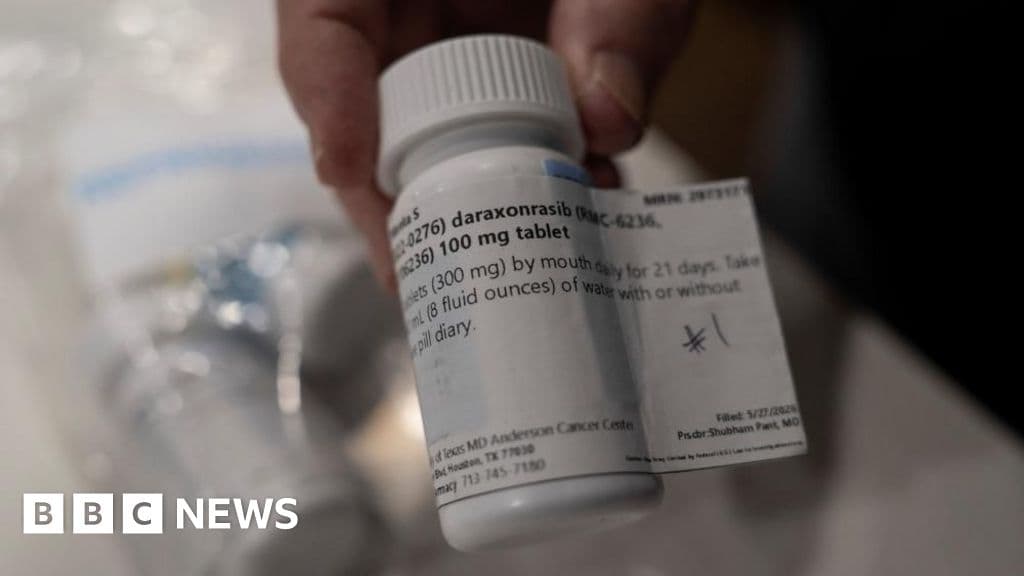
Discover how daraxonrasib, a new pill, is nearly doubling survival rates for pancreatic cancer patients, offering hope in a challenging battle against this deadly disease.
BBC Health
Waste companies propose a £5 deposit on vapes to encourage proper disposal and curb littering as the environmental impact of vapes increases.
BBC Business