
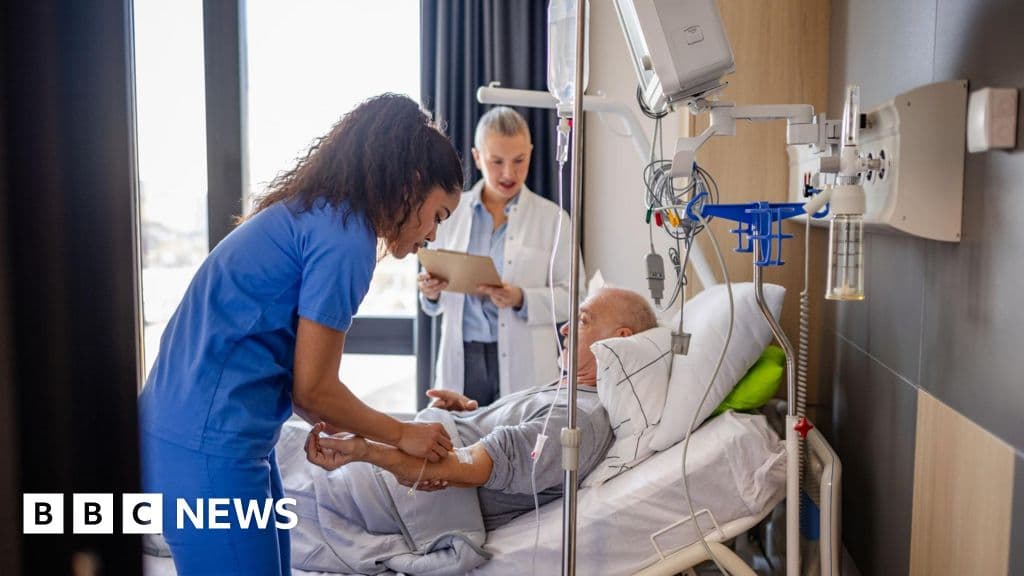
Image: BBC Health
The NHS's plan to abolish Healthwatch raises serious concerns about accountability in healthcare. What does this mean for patient representation? Click to find out.
GlipzoIn a shocking move, the NHS is set to disband Healthwatch, the independent organization advocating for patient voices in health and social care. This decision has raised alarms among local councils in England and Wales, who warn that it could lead to the NHS essentially 'marking its own homework.' The implications of this change are profound, affecting how patient feedback is integrated into healthcare services.
Healthwatch has played a vital role in representing patients' views, ensuring that their concerns are heard and addressed by local health and social care providers. The Local Government Association (LGA) made its stance clear in an interview with BBC News, emphasizing that the dissolution of Healthwatch could result in a fragmented health system that lacks accountability. Without this independent oversight, there is a risk that genuine patient concerns will go unchallenged, ultimately undermining the quality of care offered.
The Department for Health and Social Care argues that these proposed changes will empower patients by giving them a stronger voice within the health and social care framework. They believe that by centralizing the oversight of health services under the Department’s control, they can streamline processes and reduce bureaucracy, allowing for more resources to reach frontline healthcare.
However, the LGA is voicing significant concerns about this justification. They point out that the absence of a robust plan to replace Healthwatch raises questions about how patient feedback will be managed and acted upon in the future. Councillor Dr. Wendy Taylor MBE, chair of the LGA's health and wellbeing committee, remarked that without an independent body to challenge and represent community voices, the system risks becoming less transparent and accountable.
The move to abolish Healthwatch is part of a broader overhaul encapsulated in the NHS Modernisation Bill, which is currently progressing through parliament, with its second reading scheduled for June 1. This bill proposes that Healthwatch's duties be handed over to integrated care boards (ICBs) and local authorities. Critics argue that this shift would only allow local services to respond to feedback about their own operations without an external body scrutinizing their effectiveness.
The LGA warns that this could lead to a disjointed approach to patient care, where the separation between health and social care widens even further. The potential consequences of such fragmentation could hinder the delivery of comprehensive care, which is crucial for patient outcomes.
Healthwatch, employing over 500 staff and supported by 4,000 volunteers, has been instrumental in ensuring that patient experiences influence local health services. There are currently more than 150 local Healthwatch organizations in England, with responsibilities that include:
The organization has served as a vital link between patients and healthcare providers, making its potential removal a significant concern for advocates of patient rights and healthcare quality.
As the government pushes forward with its plans to abolish Healthwatch, the question remains: what will replace this critical independent oversight? The LGA is urging the government to collaborate with local authorities to develop a clear and effective model that preserves the essential functions of Healthwatch while ensuring independence.
A spokesperson for the Department of Health and Social Care reiterated that their goal is to simplify the patient safety landscape, claiming that bringing patient voices closer to decision-makers would lead to more direct impacts on service delivery. However, many remain skeptical about this approach. The concern is that without an independent, community-rooted entity like Healthwatch, patient accountability could suffer, leading to inadequate responses to issues that affect people's health and well-being.
The potential disbanding of Healthwatch not only raises questions about the future of patient advocacy but also reflects broader issues in the healthcare system regarding accountability and transparency. As these changes are debated in parliament, it is critical for stakeholders, including local councils and patient advocacy groups, to remain vigilant and engaged.
Moving forward, watch for: - Reactions from patient advocacy groups - Developments in the NHS Modernisation Bill - The government's plans for alternative patient engagement strategies - Ongoing discussions about the integration of health and social care services
The future of patient representation in the NHS hangs in the balance, and it is imperative that all voices are heard in this crucial dialogue.

Shocking findings from Nottingham's maternity unit reveal a toxic culture and alarming neglect. What can be done to improve care? Discover the details.
BBC Health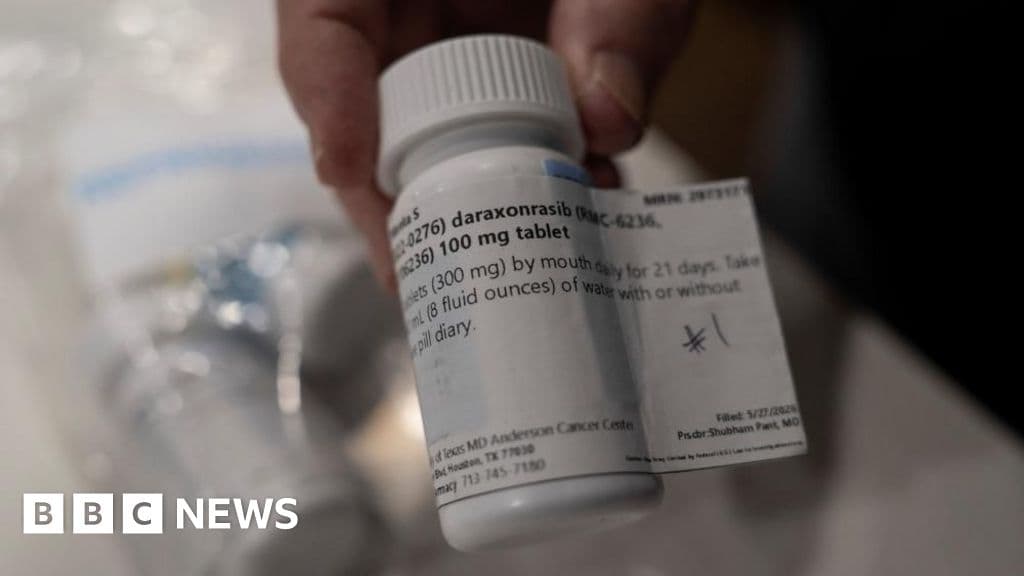
Discover how daraxonrasib, a new pill, is nearly doubling survival rates for pancreatic cancer patients, offering hope in a challenging battle against this deadly disease.
BBC Health
Waste companies propose a £5 deposit on vapes to encourage proper disposal and curb littering as the environmental impact of vapes increases.
BBC Business