
Image: The Hindu
The CAPF Bill mandates IPS officers for 50% of senior posts, stirring debate on cadre officers' rights and national security effectiveness. What’s next?
GlipzoIn a significant move that is poised to reshape the structure of the Central Armed Police Forces (CAPFs), the Central Armed Police Forces (General Administration) Bill, 2026 is expected to be introduced in the Rajya Sabha next week. This legislation mandates that 50% of the Inspector General posts, 67% of Additional Director General positions, and all roles at the Special Director General and Director General levels within CAPFs must be filled by Indian Police Service (IPS) officers on deputation. These changes mark a shift from the previous system where appointments were made through executive orders, as the Bill aims to formalize these provisions into law.
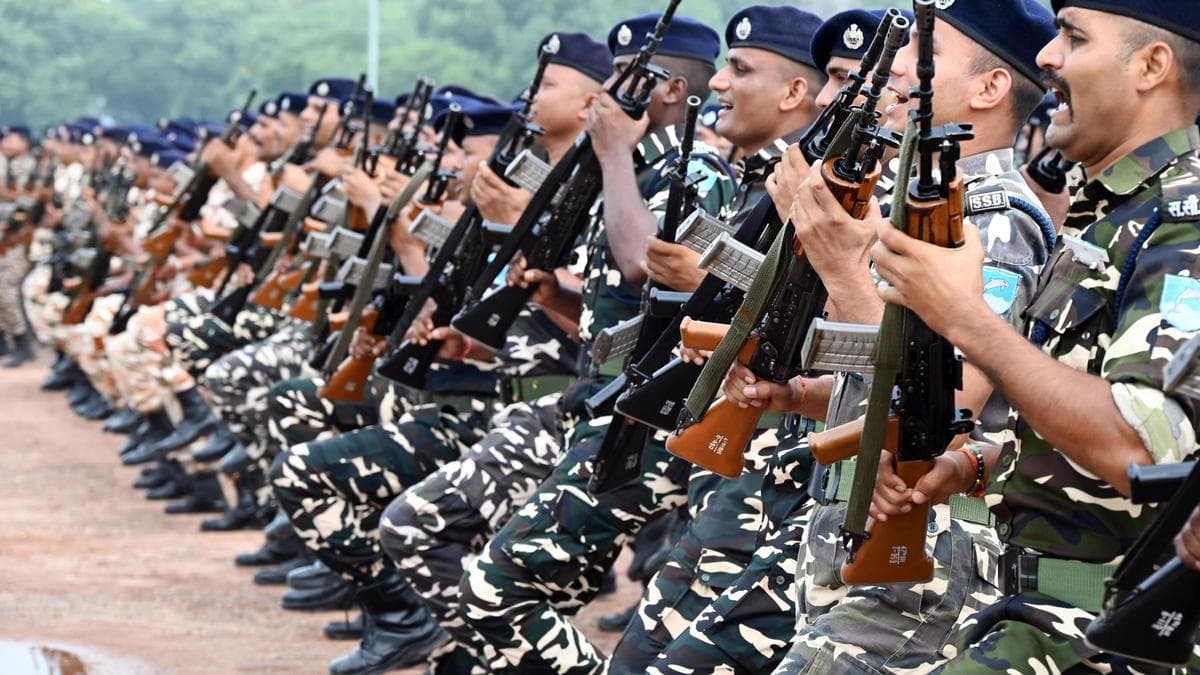
The CAPFs consist of several critical units, including the Border Security Force (BSF), Central Industrial Security Force (CISF), Central Reserve Police Force (CRPF), Sashastra Seema Bal (SSB), and Indo-Tibetan Border Police (ITBP). As the forces responsible for national security, their operations necessitate effective coordination with state authorities, and the presence of IPS officers is deemed vital for achieving this synergy.
This legislative initiative appears to be a direct response to a Supreme Court ruling from May 23, 2025, which directed the Ministry of Home Affairs (MHA) to gradually reduce the reliance on IPS officers in CAPFs to the rank of Inspector General over the following two years. The court’s decision came after years of legal battles aimed at addressing the longstanding career stagnation faced by CAPF cadre officers, who often wait 15-18 years for their first promotions.
In an official statement, Home Minister Amit Shah articulated the need for this Bill, emphasizing that the lack of an umbrella law has led to fragmented regulatory provisions, resulting in numerous litigations and administrative challenges. Shah stated, “This Bill aims to bring clarity to recruitment and service conditions for Group A General Duty Officers and others in CAPFs, thereby reducing unnecessary legal disputes.”
Despite the government’s rationale, retired CAPF officials have expressed strong opposition to the Bill, arguing that it discriminates against cadre officers who fought for their rights in court. The concerns are particularly pronounced given that many CAPF officers have risked their lives in the line of duty, yet face stagnation due to a lack of senior-level positions.
The current structure allocates 20% of Deputy Inspector General (DIG) posts and 50% of Inspector General (IG) positions to IPS officers via executive orders. With a total strength of about 1 million personnel in CAPFs, including 13,000 Group A cadre officers, there are significant gaps in the ranks, with around 93,000 vacancies reported. The implications of these numbers underline the pressing need for a comprehensive solution to address both personnel shortages and the promotion timeline for CAPF officers.
The Bill underscores the essential functions carried out by the CAPFs, which include securing national borders, conducting anti-insurgency operations, and maintaining internal security across the Union and States. These forces also play a crucial role in supporting the Armed Forces during times of conflict.
Under Article 312 of the Constitution, the IPS is recognized as an All India Service, and historically, IPS officers have been seen as integral to the functioning of CAPFs. The Bill aims to reinforce this historical precedent while also addressing modern operational needs.
The introduction of the CAPF Bill could have far-reaching implications for the structure and staffing of these vital forces. As the government moves forward with this legislation, several key points warrant attention:
In conclusion, the CAPF Bill represents a pivotal moment in the evolution of the Central Armed Police Forces, balancing the historical significance of IPS officers with the pressing need for operational effectiveness in national security. As discussions and debates unfold in the coming days, all eyes will be on the Rajya Sabha to see how this legislation shapes the future of policing and security in India.

Tensions soar as the US and Iran engage in air strikes near the Strait of Hormuz, raising concerns over global oil supply and regional stability.
BBC World
Trump's international interventions face serious stalemates. What will this mean for U.S. foreign policy? Explore the critical challenges ahead.
Indian Express
Tehran denies resignation of President Masoud Pezeshkian amid claims of IRGC influence. What does this mean for Iran's political stability? Click to learn more!
Indian Express