
Image: BBC Health
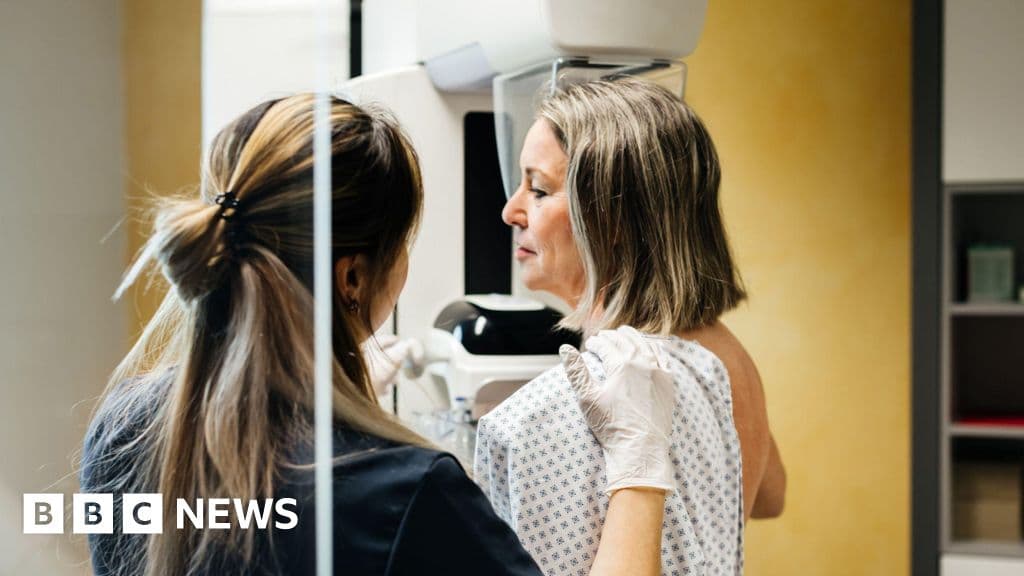
A groundbreaking DNA test could enable millions of breast cancer patients to avoid chemotherapy. Discover how this change can improve lives and treatment outcomes.
GlipzoA recent international study has unveiled promising news for breast cancer patients: millions could potentially avoid chemotherapy thanks to a revolutionary DNA test. This innovative test allows healthcare providers to identify which patients are likely to benefit from chemotherapy and which can safely opt for hormone therapy instead. Conducted by researchers from University College London (UCL), the findings have significant implications for the treatment landscape of breast cancer.
The study, which encompassed over 4,000 newly diagnosed patients aged 40 and above across several countries including the UK, Australia, New Zealand, Norway, Sweden, and Thailand, indicates that more than two-thirds of participants may not require chemotherapy. Instead, they can be treated effectively with hormone therapy alone, sparing them from the numerous side effects associated with traditional chemotherapy treatments.
Chemotherapy, while a common treatment protocol for breast cancer, comes with a host of adverse effects. These can include: - Fatigue - Nausea - Hair loss - Weakened immune system - Fertility issues
Given these potential complications, it's no wonder that many patients seek alternatives. The results of this study offer a beacon of hope for those facing a breast cancer diagnosis, as it suggests that they may not have to endure the harsh realities of chemotherapy if it won't provide them any substantial benefits.
At the heart of this groundbreaking study is the Prosigna test, which assesses the activity of 50 genes related to breast cancer growth. By evaluating these gene activities, clinicians can estimate a patient's risk of cancer recurrence. Those who received a low score from this test—around two-thirds of the participants—were deemed unlikely to benefit from chemotherapy, allowing them to forgo it in favor of less invasive treatment options.
Despite the absence of chemotherapy, the five-year survival rate for these patients stood at an impressive 93.7%, closely rivaling the 94.9% survival rate for those who did undergo chemotherapy. This data demonstrates that effective alternatives exist, which could significantly improve the quality of life for many breast cancer patients.
According to UCL, the ramifications of this study could mean that over 5,000 NHS patients annually might avoid unnecessary chemotherapy treatments. This revelation has the potential to reshape treatment protocols within the NHS, leading to more personalized and effective care strategies for breast cancer patients.
Karen Bonham, a participant in the trial, expressed her relief at the results, stating that they felt like an early Christmas gift. Having received radiotherapy and hormone therapy for the past eight years, she emphasized the emotional toll that a cancer diagnosis can take on individuals and their families.
Professor David Miles, a prominent figure in cancer research, heralded the findings as “practice-changing.” He emphasized that the ability to confidently predict which patients would not benefit from chemotherapy represents a major advancement in oncology. Previously, it was common to administer chemotherapy to 100 women to help 10, leaving 90 to endure its harsh side effects unnecessarily.
This new approach could redefine how oncologists treat breast cancer, allowing them to focus on patients who genuinely need chemotherapy, thus optimizing treatment efficacy and minimizing patient distress.
Tanya Hutson, another individual affected by breast cancer, echoed the sentiments of many, calling the DNA test “absolutely amazing.” She highlighted the brutal nature of chemotherapy and the significant improvement in patient care that this test could represent.
While the results of this study are promising, it is important to note that the applicability of these findings to patients under 40 years old remains uncertain. Researchers are still years away from determining whether the Prosigna test's efficacy extends to younger demographics. As the medical community continues to explore this frontier, the focus will likely shift towards expanding access to such innovative genetic testing.
As the findings from this study gain international attention—set to be presented at the American Society of Clinical Oncology's annual meeting in Chicago—healthcare providers and patients alike are eager to witness the broader implications of the Prosigna test. The potential to revolutionize breast cancer treatment protocols could lead to: - Increased patient satisfaction: By minimizing unnecessary treatments, patients can experience a better quality of life. - Cost savings for healthcare systems: Reducing the number of patients receiving unnecessary chemotherapy could alleviate financial burdens on healthcare systems. - Enhanced research and funding: The success of this study might encourage further investment in cancer research, paving the way for more breakthroughs.
The future of breast cancer treatment appears to be on the cusp of a significant transformation, with the promise of more personalized care that prioritizes patient well-being and treatment efficacy. As research unfolds, it will be crucial to monitor ongoing developments in this area and to advocate for patient access to cutting-edge testing and care options.

Shocking findings from Nottingham's maternity unit reveal a toxic culture and alarming neglect. What can be done to improve care? Discover the details.
BBC Health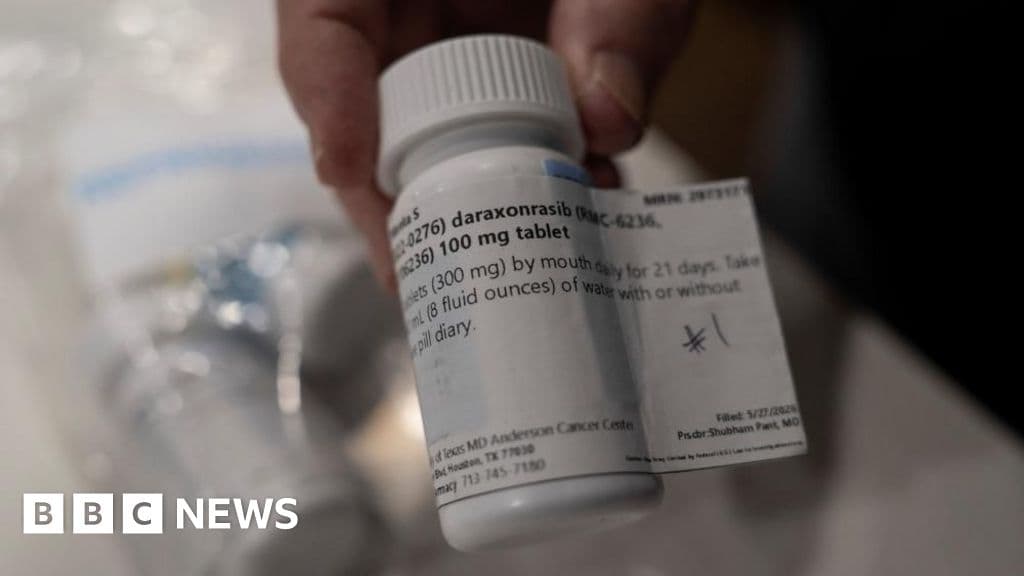
Discover how daraxonrasib, a new pill, is nearly doubling survival rates for pancreatic cancer patients, offering hope in a challenging battle against this deadly disease.
BBC Health
Waste companies propose a £5 deposit on vapes to encourage proper disposal and curb littering as the environmental impact of vapes increases.
BBC Business