

Image: The Hindu
Maharashtra's Health Minister warns hospitals of FIRs for charging cashless scheme beneficiaries. A critical move to protect patient rights and enhance healthcare access.
GlipzoIn a decisive move to protect beneficiaries of state-run health schemes, Maharashtra Health Minister Prakash Abitkar has announced severe repercussions for hospitals that demand payments from patients covered under these programs. Speaking on March 16, 2026, Abitkar stressed that patients should not pay even a single rupee for treatment, urging hospitals to comply with the regulations set forth by the state government.
The Minister's warning comes after an extensive review revealed 368 complaints regarding hospitals charging patients despite their eligibility for cashless treatment under the Mahatma Jyotiba Phule Jan Arogya and Pradhan Mantri Jan Arogya schemes. To date, the government has successfully recovered ₹60 lakh in penalties from offending facilities, highlighting a pressing issue that has drawn the ire of patients and officials alike.
Abitkar elaborated on the nature of the complaints received, which predominantly involve hospitals demanding additional funds from patients despite their coverage under these health schemes. "Under these schemes, treatment is meant to be completely free and cashless. If any hospital charges money from patients, strict action will be taken," he declared resolutely.
As part of the crackdown, 12 hospitals have already been removed from the health schemes after being found in violation of their provisions. The Minister indicated that the government is committed to ensuring that no beneficiary is exploited, stating, "The health schemes were aimed at ensuring access to quality treatment for the poor and common citizens. We will not tolerate exploitation of beneficiaries."
In a bid to enhance healthcare access, Abitkar announced that the integration of the state’s health schemes with the Ayushman Bharat program has significantly broadened the scope of treatments available. The covered ailments have surged from approximately 1,356 to over 2,300, and package rates for treatments have also seen an increase. Beneficiaries of these cashless schemes can now access treatment up to ₹5 lakh. This expansion aims to alleviate the financial burden on families seeking medical care, reflecting the government's commitment to public health.
To bolster transparency and monitor compliance, the Maharashtra government is employing artificial intelligence for tracking complaints and identifying suspicious activities among empanelled hospitals. This technological approach marks a significant advancement in the oversight of healthcare practices within the state and aims to eliminate irregularities that have plagued the system.
In addition, district-level committees, which include Guardian Ministers, MLAs, and various officials, have been established to oversee the implementation and performance of these schemes. These committees will meet every three months to ensure that the schemes are functioning effectively and that beneficiaries receive the care they are entitled to.
Abitkar also called on legislators to take an active role in monitoring hospitals within their constituencies. He urged them to report any violations they encounter, reinforcing a collaborative approach to healthcare governance. "If even a single complaint is brought to our notice, action will be taken immediately," he assured the Assembly, emphasizing that repeated infractions could lead to the registration of First Information Reports (FIRs) against offending hospitals.
This proactive stance by the Maharashtra Health Minister is critical in ensuring that the integrity of healthcare services is upheld and that patients receive the care they deserve without financial barriers. The government's commitment to holding hospitals accountable is a significant step towards enhancing trust in public health initiatives.
The implications of Abitkar's announcements are profound, particularly for vulnerable populations relying on state health schemes. As healthcare costs continue to rise, ensuring that these patients receive cashless treatment is vital for their well-being and financial security. This crackdown not only aims to protect patients but also to enhance the overall healthcare landscape in Maharashtra by promoting compliance and transparency.
As the government intensifies its efforts to enforce regulations against overcharging hospitals, it will be crucial to monitor the effectiveness of these initiatives. The integration of AI in monitoring and the establishment of district-level committees represent a modern approach to healthcare governance that could set a precedent for other states to follow. Moving forward, stakeholders and the public alike will be watching closely to see how these measures impact patient care and hospital compliance in the months ahead.

Shocking findings from Nottingham's maternity unit reveal a toxic culture and alarming neglect. What can be done to improve care? Discover the details.
BBC Health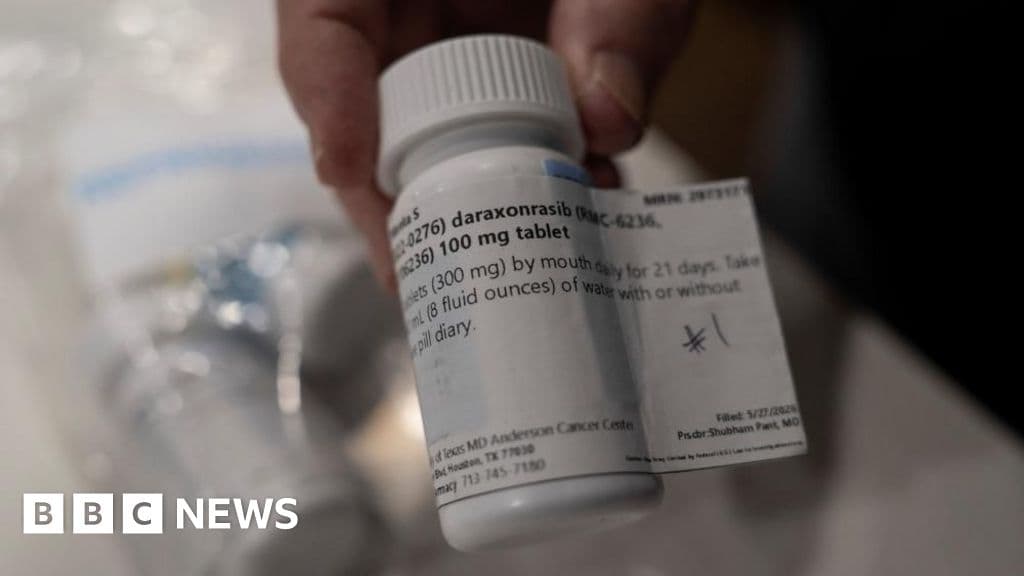
Discover how daraxonrasib, a new pill, is nearly doubling survival rates for pancreatic cancer patients, offering hope in a challenging battle against this deadly disease.
BBC Health
Waste companies propose a £5 deposit on vapes to encourage proper disposal and curb littering as the environmental impact of vapes increases.
BBC Business