
Image: The Hindu
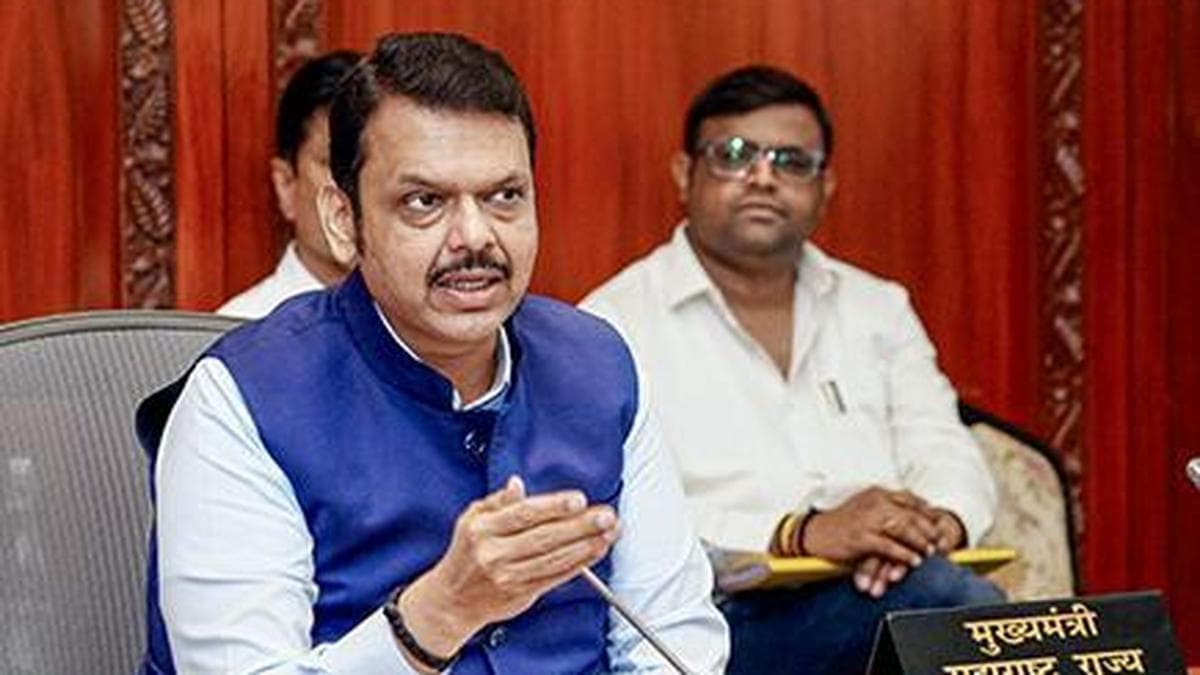
Maharashtra CM Devendra Fadnavis defends the new Bill aimed at curbing fraudulent religious conversions, emphasizing women's protection and social integrity.
GlipzoMaharashtra Chief Minister Devendra Fadnavis has recently emphasized the state's commitment to protecting vulnerable individuals, particularly women, from deceptive religious conversions. In a press briefing on March 16, 2026, Fadnavis highlighted the alarming trend of women being lured into relationships, only to face abandonment post-marriage. The pressing issue has prompted the introduction of the Maharashtra Freedom of Religion Bill 2026, designed to curb illicit conversions and ensure individuals are not exploited under false pretenses.
Fadnavis argued that the Bill is a necessary step toward safeguarding the dignity and rights of women, addressing their concerns about relationships that begin with deceit and end in complications, particularly regarding children born from such unions. This legislation is not merely a political maneuver; it is a response to genuine societal issues that have affected many families across Maharashtra.
Despite the CM's clarifications, opposition parties have been vocal in their criticisms, alleging that the Bill is a tool for vote-bank politics. Fadnavis countered these claims, insisting that a thorough reading of the legislation would dispel any misconceptions. He urged critics to recognize that the Bill is not aimed at restricting any community but rather at preventing coercive practices linked to religious conversions.
The proposed Bill includes stringent penalties for those who carry out unlawful conversions, particularly those involving marriage as a facade. If passed, violators could face seven years of imprisonment and fines, escalating to ₹5 lakh if minors or individuals from Scheduled Castes or Scheduled Tribes are involved.
The Maharashtra Freedom of Religion Bill 2026 introduces several critical provisions: - Notice Requirement: Individuals seeking to convert must inform the relevant authorities at least 60 days prior to the conversion ceremony. - Public Display: Authorities will publicize the details of the intended conversion, allowing the community to raise objections within 30 days. - Post-Conversion Declaration: Both the converted individual and the organizers must submit a declaration to the authorities within 21 days after the conversion. - Complaint Registration: Relatives of the converted person can file an FIR if they suspect the conversion was conducted unlawfully.
These measures are designed to create transparency in the conversion process and protect individuals from potential manipulation. By mandating advance notice and public scrutiny, the Bill aims to empower communities to be proactive in safeguarding their members.
Maharashtra is not acting in isolation. The push for legislation against fraudulent conversions mirrors similar actions taken by other states in India, such as Uttar Pradesh, Gujarat, Madhya Pradesh, Karnataka, and Uttarakhand. These states have enacted laws intended to regulate religious conversions, indicating a growing concern over the integrity of the conversion process and the welfare of individuals involved.
The significance of this legislative movement cannot be overstated. As society evolves, the intersection of faith, personal relationships, and the law continues to elicit passion and debate. Fadnavis's assertion that the Bill is essential for protecting women underscores the urgency of addressing these sensitive issues.
This Bill represents a critical juncture in the ongoing dialogue about religious freedom and personal choice in India. The implications extend beyond Maharashtra, as the state's actions may inspire similar legislative measures in other regions. As discussions about the balance between individual rights and community protection progress, the outcomes of this Bill could set important precedents.
The potential impact on women and vulnerable populations is particularly noteworthy. By addressing exploitation and coercion, the Bill seeks to foster a more equitable society where individuals can make informed choices about their beliefs and relationships without fear of manipulation.
As the Maharashtra Freedom of Religion Bill 2026 moves through the legislative process, several key developments will be crucial to monitor: - Public Reaction: How communities respond to the Bill's provisions, particularly regarding the notice and declaration requirements. - Opposition Strategies: The efforts of opposition parties to either amend or block the Bill, including their public campaigns and rallying of support. - Implementation Challenges: The practicalities of enforcing the Bill's stipulations, especially in rural areas where access to authorities may be limited.
In conclusion, the Maharashtra government’s push for this Bill opens up a vital conversation about religious conversions and the rights of individuals within these processes. As debates unfold, the broader implications for personal freedom and societal ethics will continue to emerge, making it an issue worth following closely.

Tensions soar as the US and Iran engage in air strikes near the Strait of Hormuz, raising concerns over global oil supply and regional stability.
BBC World
Trump's international interventions face serious stalemates. What will this mean for U.S. foreign policy? Explore the critical challenges ahead.
Indian Express
Tehran denies resignation of President Masoud Pezeshkian amid claims of IRGC influence. What does this mean for Iran's political stability? Click to learn more!
Indian Express