
Image: The Hindu
Maharashtra passes the Freedom of Religion Bill 2026 to curb forced conversions, igniting debate on its implications for religious freedoms. What’s next?
GlipzoOn March 16, 2026, the Maharashtra Assembly made a significant move by passing the Freedom of Religion Bill 2026 during the State Assembly Budget session held at Vidhan Bhavan in Mumbai. This bill, which aims to clamp down on coerced religious conversions, was approved through a voice vote amid discussions and debates that highlighted its implications for various communities.
The legislation introduces stringent penalties for those involved in unlawful conversions, specifically targeting practices considered coercive or fraudulent. Under this new law, individuals found guilty of conducting conversions under false pretenses, particularly through marriage, could face up to seven years in prison alongside a hefty fine of ₹1 lakh. In cases involving minors, individuals with mental disabilities, women, or members of Scheduled Castes and Scheduled Tribes, the penalties escalate significantly to seven years imprisonment and a fine of ₹5 lakh.
The Freedom of Religion Bill outlines several critical provisions aimed at preventing unethical conversions: - Seven years imprisonment and a ₹1 lakh fine for unlawful conversions via marriage. - Increased penalties of ₹5 lakh for violations involving vulnerable groups. - Mass conversions will incur the same penalties as individual cases, with repeat offenders facing up to 10 years in jail. - Complaints can be filed by the affected individuals or their relatives, allowing police to take action without a formal complaint in some cases.
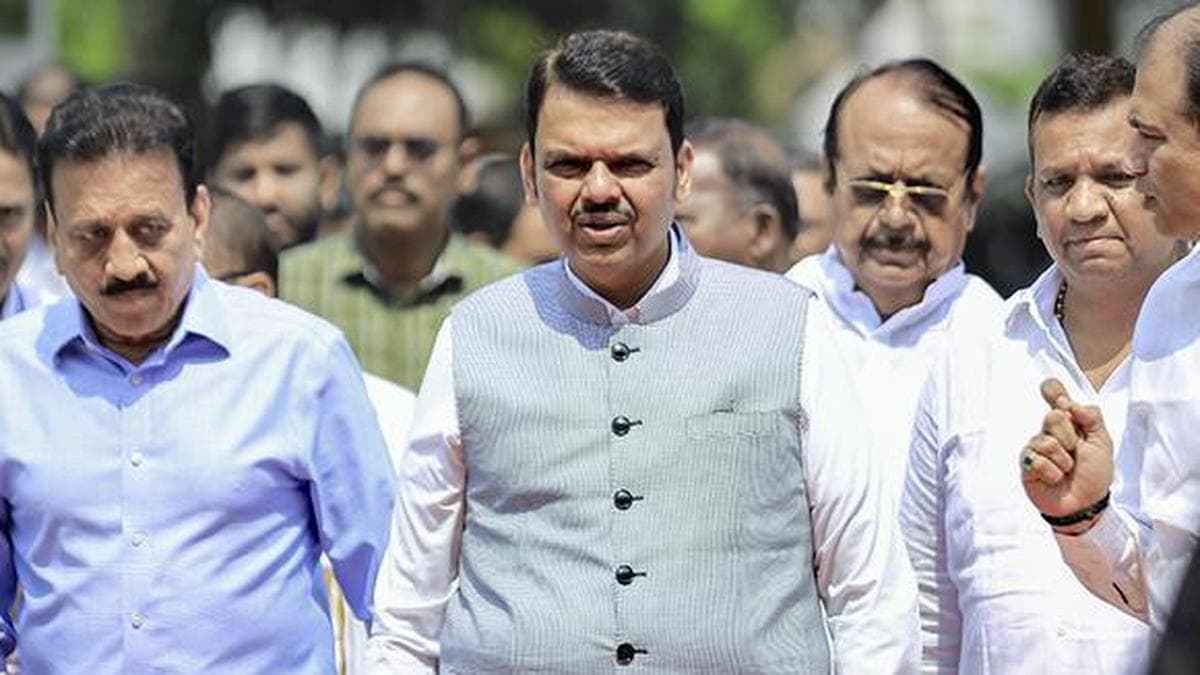
Maharashtra's Chief Minister Devendra Fadnavis emphasized that this bill is not aimed at any specific religious community. Instead, he asserted that it serves to protect citizens from coercive practices that undermine individual rights. Citing other states like Odisha, Uttar Pradesh, and Madhya Pradesh, Fadnavis pointed out that similar laws have already been enacted in those regions.
During discussions surrounding the bill, Fadnavis reiterated that the proposed law respects the Constitutional right to religious freedom as outlined in Article 25. He clarified that this right does not extend to coercing someone into conversion. "The right to religion does not include the right to convert another person through coercion, misrepresentation, fraud, or allurement," he stated, referring to judicial interpretations by the Supreme Court.
Opposition parties, including members of Shiv Sena (UBT), have shown their support for the bill, arguing that it protects the right to religious freedom while also preventing illegal conversions. Sena (UBT) MLA Bhaskar Jadhav expressed that the legislation is comprehensive and does not single out any religion, countering claims that it targets specific communities. He highlighted that the intent of the bill is to safeguard individuals from unethical practices that exploit religious beliefs.
While there is support from some quarters, not all members of the assembly are in favor of the bill. A significant number of opposition legislators have called for the bill to be referred to a joint select committee for further examination, suggesting that deeper discussions are necessary to fully understand its implications.
Pankaj Bhoyar, the Minister of State for Home, reinforced the bill's commitment to preventing fraudulent conversions while ensuring that any religious conversion occurs voluntarily and transparently. The debate reflects a broader concern among some lawmakers regarding the potential misuse of the law.
The passing of the Freedom of Religion Bill 2026 is significant for several reasons: - Protection Against Coercion: The bill addresses a critical social issue by providing legal recourse to individuals who may be victims of forced conversions. - Legal Clarity: It aims to clarify the legal framework surrounding religious conversions, thereby fostering a more transparent process that respects individual choice. - Cultural Impact: The law could lead to changes in how religious conversion is approached in Maharashtra, influencing community dynamics and inter-religious relations.
As Maharashtra moves forward with the implementation of the Freedom of Religion Bill, several key points warrant close attention: - Monitoring Enforcement: Observers will need to watch how the provisions of the bill are enforced, particularly regarding the protection of vulnerable groups. - Public Response: The public's reaction to this legislation could shape future political landscapes and influence upcoming elections. - Judicial Challenges: Legal experts predict that the bill may face challenges in court, especially regarding its constitutionality and potential impacts on religious freedoms.
The passage of the Freedom of Religion Bill 2026 is a pivotal moment for Maharashtra, with implications that extend beyond politics into the lives and rights of individuals across the state. As discussions continue, the balance between religious freedom and protection from coercion remains a critical issue for lawmakers and citizens alike.

Tensions soar as the US and Iran engage in air strikes near the Strait of Hormuz, raising concerns over global oil supply and regional stability.
BBC World
Trump's international interventions face serious stalemates. What will this mean for U.S. foreign policy? Explore the critical challenges ahead.
Indian Express
Tehran denies resignation of President Masoud Pezeshkian amid claims of IRGC influence. What does this mean for Iran's political stability? Click to learn more!
Indian Express