
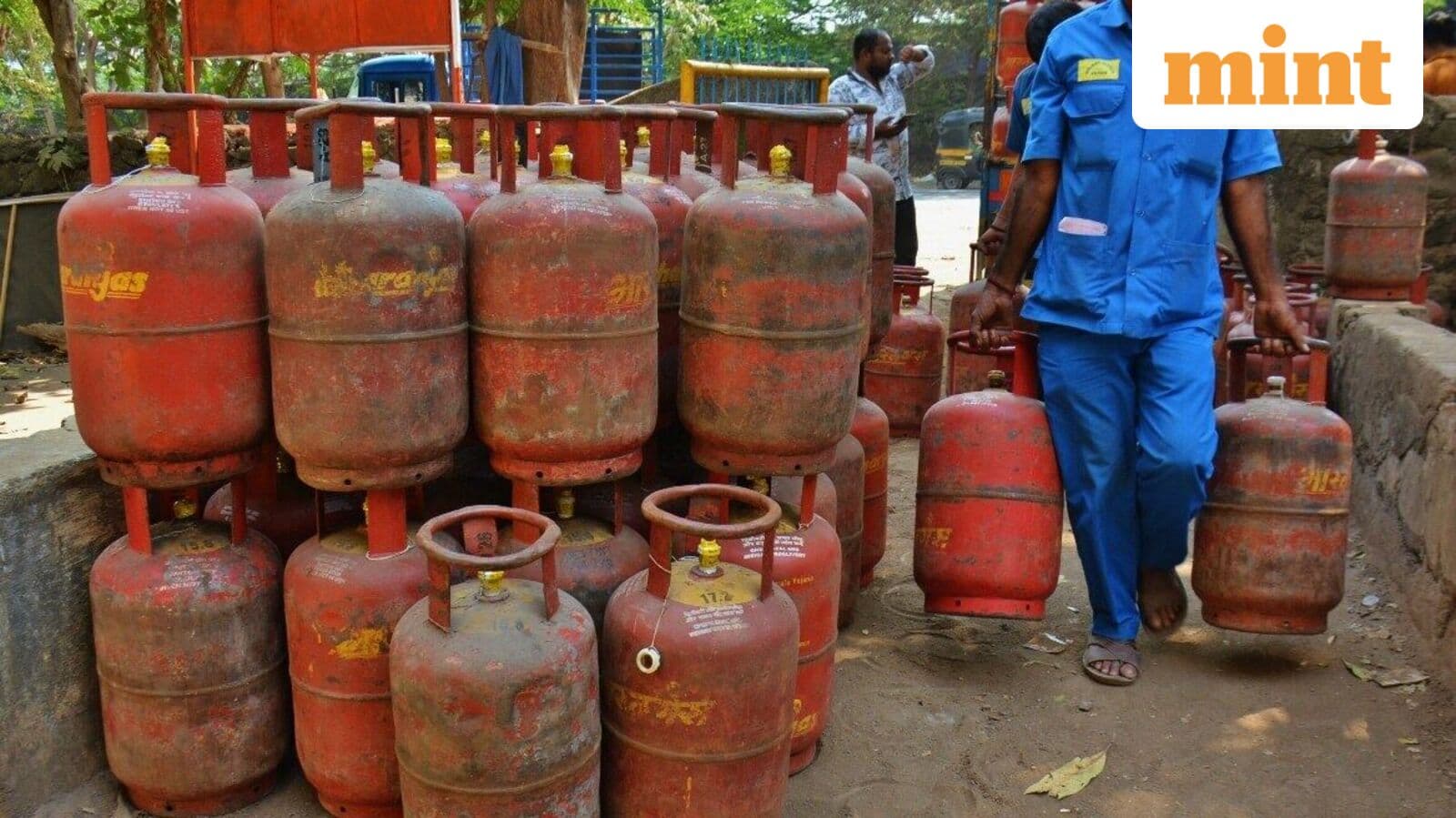
Image: Mint (Business)
Discover the latest LPG prices in Delhi, Bengaluru, and Mumbai as tensions in West Asia lead to significant price surges. Stay informed on supply updates!
GlipzoAs of March 16, 2026, LPG prices in key Indian cities have seen a significant rise, largely influenced by ongoing tensions in West Asia. In New Delhi, the cost for a 14.2 kg LPG cylinder is now ₹913.00, a notable increase from last month's ₹853.00. This surge is part of a broader trend, as global oil prices continue to climb, causing ripples across various markets.
The situation escalated following disruptions in vessel traffic through the Strait of Hormuz, a crucial maritime route responsible for transporting approximately 20% of the world's oil supplies. These disturbances have led to increased volatility in crude oil prices, which in turn have affected LPG pricing. Despite government assurances of no cooking gas shortages, several businesses in the hospitality sector have reported operational challenges due to a lack of commercial LPG supply.
March 2026 marked a critical month for LPG prices, with a sharp increase of ₹60 noted in the rates. The ongoing conflict has forced many businesses to grapple with supply shortages, particularly affecting restaurants, hospitals, and educational institutions that rely heavily on commercial LPG.
According to recent updates from the Ministry of Petroleum and Natural Gas, the distribution of LPG cylinders is being prioritized, with 77 lakh bookings recorded on March 14, which is a decrease from the previous day's figures. This decline may signal growing concerns about supply stability as global tensions persist.
These rates reflect the revised pricing for standard domestic cylinders used in households across India, as the government continues to monitor the situation closely.
In response to the rising prices and potential shortages, various state governments have been authorized to prioritize the distribution of commercial LPG cylinders. Notably, Delhi’s Food Supplies Minister, Manjinder Singh Sirsa, announced the initiation of sales for commercial LPG cylinders in collaboration with Oil Marketing Companies (OMCs). This system guarantees that around 1,800 cylinders will be allocated based on priority needs of essential sectors.
Sirsa emphasized that up to 20% of the average daily commercial consumption will be made available to sectors such as: - Hospitals - Educational institutions - Restaurants - Dairies
This allocation strategy is vital to ensure that critical services remain operational during this period of uncertainty.
To mitigate hoarding and maintain fair access to LPG, the government has instituted a policy that regulates the distribution of 19-kg cylinders. Bookings are being processed on a first-in, first-out basis to ensure that all consumers have equitable access to supplies. Chief Minister Rekha Gupta is actively overseeing daily updates on LPG availability, and officials continue to reassure the public that there is no cause for alarm regarding gas supplies.
On the diplomatic front, External Affairs Minister (EAM) S. Jaishankar has praised recent direct talks with Iran, which have been crucial in facilitating the safe passage of Indian-flagged vessels through the Strait of Hormuz. Following these talks, two Indian ships, the Shivalik and Nanda Devi, successfully crossed the strait carrying a combined load of approximately 92,700 metric tons of LPG.
Rajesh Kumar, Special Secretary of the Ministry of Port, Shipping, and Waterways, announced that these vessels are expected to arrive at the ports of Mundra and Kandla on March 16 and March 17, respectively. Currently, 22 Indian-flagged vessels remain in the Persian Gulf, indicating a robust presence in the region despite the ongoing challenges, with a total of 611 seafarers aboard.
As the situation in West Asia continues to evolve, the implications for LPG pricing and availability in India are significant. Consumers should remain vigilant about potential further price fluctuations and supply challenges. It is essential for the government to maintain transparent communication regarding the status of LPG supplies and to ensure that essential services are prioritized.
Looking ahead, the focus will likely remain on diplomatic efforts to stabilize shipping routes and manage the impact of global oil prices on domestic LPG rates. Stakeholders across various sectors must prepare for possible fluctuations in supply and adjust their operations accordingly to navigate this complex landscape effectively.
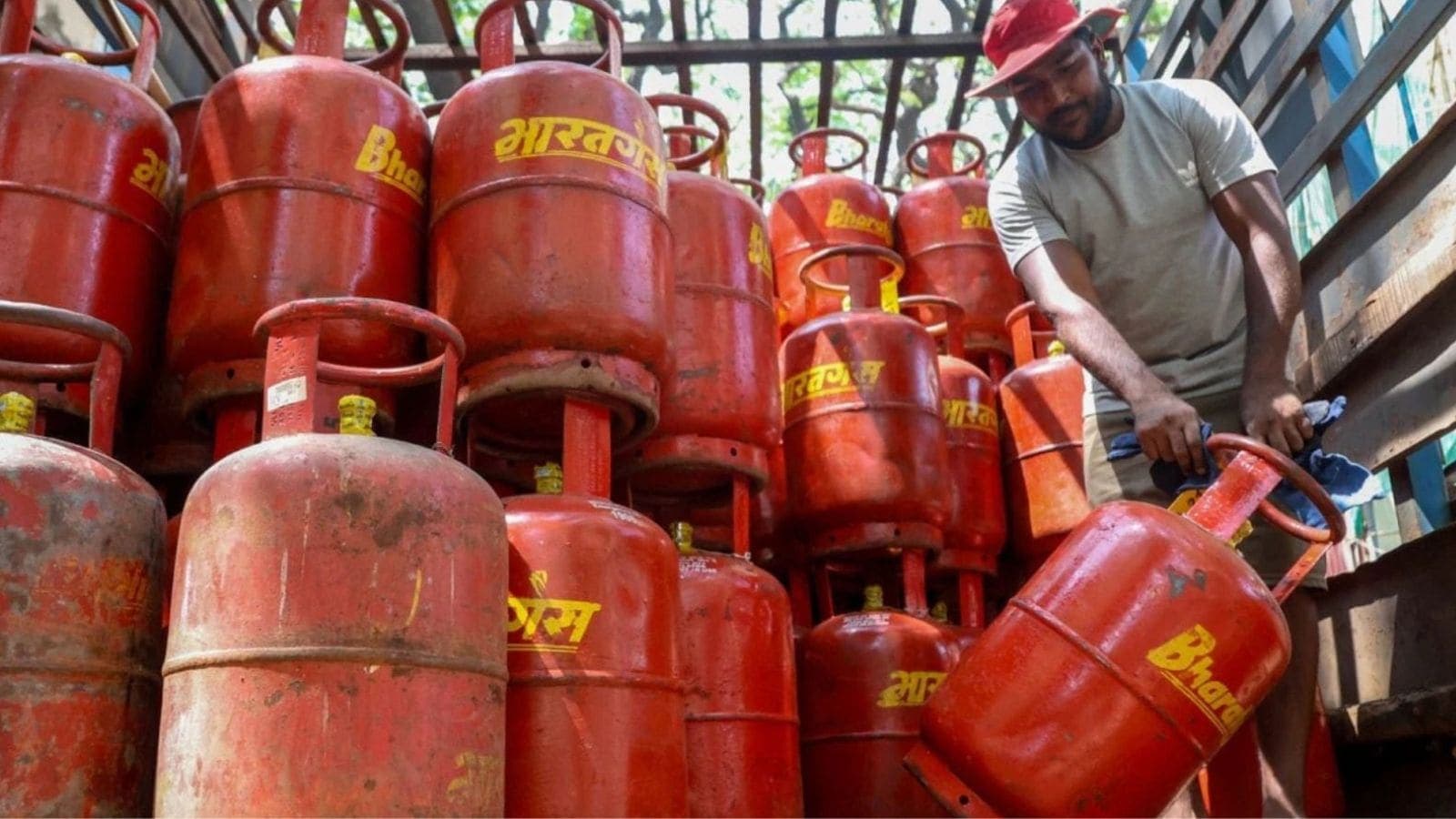
Commercial LPG prices have risen again, with increases of ₹42 in Delhi and ₹53.50 in Kolkata impacting businesses and consumers alike. Find out more.
Indian Express
Discover how a tragic coal mine explosion in Shanxi, China, reveals ongoing safety concerns in the industry amidst a push for green energy.
BBC Business
Montek Singh Ahluwalia highlights key economic challenges for India, emphasizing the need for a strategic approach to balance payments and investment.
Indian Express