
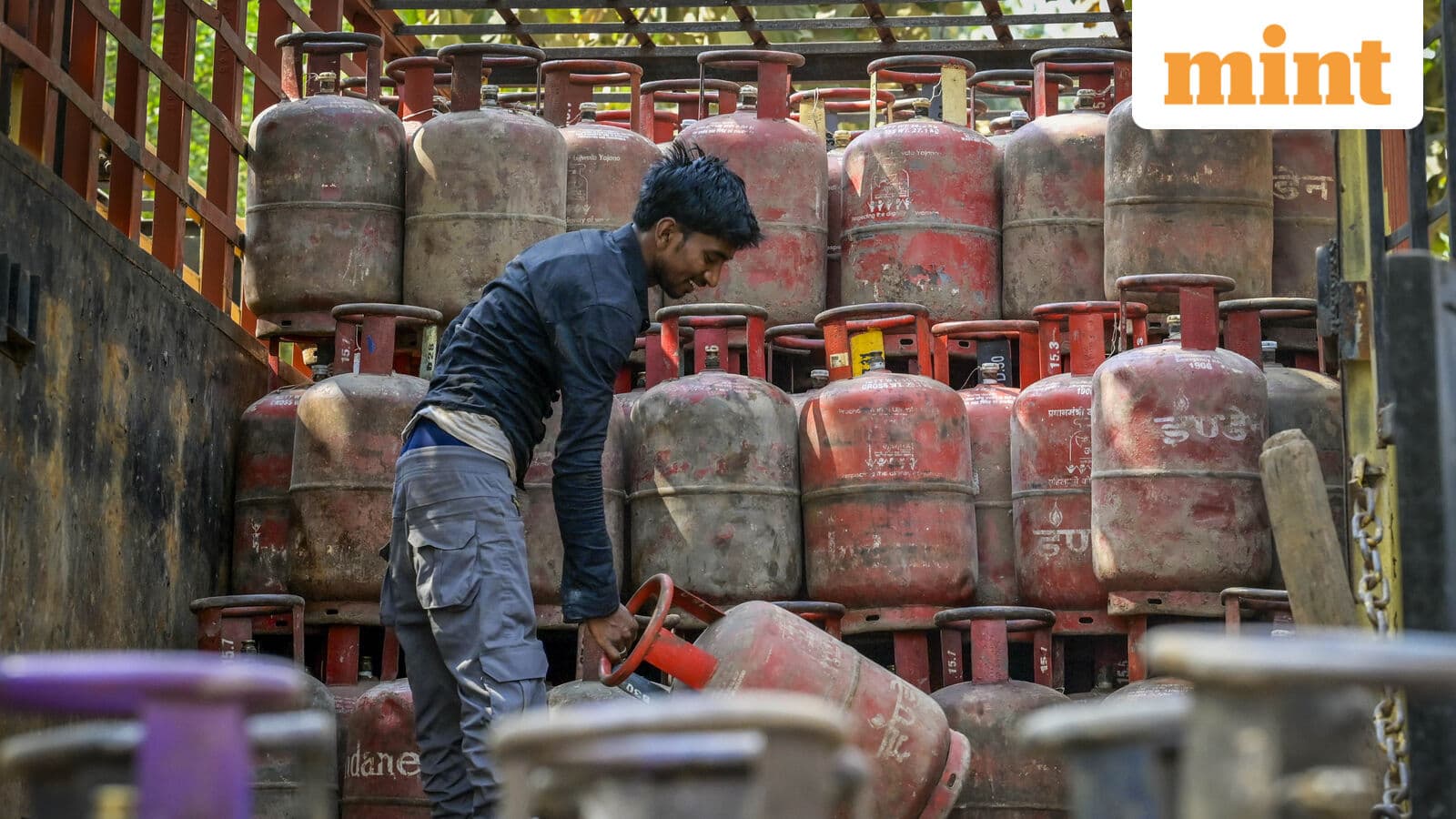
Image: Mint (Business)
LPG prices rise sharply due to geopolitical tensions. Discover the latest rates and what it means for consumers and businesses across India.
GlipzoAs of March 17, LPG prices have witnessed a significant increase, a direct result of the ongoing geopolitical tensions in West Asia. In New Delhi, the cost of a 14.2 kg domestic LPG cylinder now stands at ₹913.00, reflecting a ₹60 hike from the previous month's price of ₹853.00. This increase highlights the direct correlation between global oil market fluctuations and local consumer prices, emphasizing the vulnerability of essential goods to international conflicts.
The rise in LPG prices is not isolated to the capital; it varies across India. This fluctuation is primarily due to the differing Value Added Tax (VAT) rates imposed by various states and the costs associated with freight charges. As the world observes the Strait of Hormuz, a critical passage for nearly 20% of global oil supplies, the impact of regional conflicts has a ripple effect on domestic markets.
The Strait of Hormuz has become a focal point in the current crisis, as disruptions in vessel movement caused by tensions between Iran and the US-Israel coalition have led to a supply bottleneck. This situation is further compounded by a general volatility in global crude oil prices, which has cascaded into increased costs for LPG. While the Indian government assures citizens that there is no shortage of cooking gas, the reality is that many sectors, particularly hospitality, are feeling the pinch.
Key Factors Influencing LPG Prices: - Geopolitical Tensions: Ongoing conflicts in the Middle East have affected oil supply routes. - Local Taxation and Freight Costs: Variability in state VAT and transport expenses leads to price differences across regions. - Market Volatility: Fluctuating global oil prices directly influence domestic LPG rates.
In response to the LPG price surge, the Indian Navy has mobilized two task forces to safeguard the transit of merchant vessels and tankers through the Strait of Hormuz. This strategic move comes alongside diplomatic efforts, as Iran has requested the exchange of three Indian-seized tankers to facilitate the safe passage of Indian-flagged ships. These vessels—Stellar Ruby, Asphalt Star, and Al Jafzia—were previously accused of engaging in illegal ship-to-ship transfers.
To mitigate the impact on consumers, the Indian government has implemented several measures aimed at stabilizing the LPG market. The Press Information Bureau (PIB) has detailed the following actions taken by the government: - Maximizing LPG Production: Refineries have been instructed to ramp up output to meet demand. - Regulated Distribution: A first-in, first-out approach has been mandated to ensure fair access to resources. - Support for Essential Sectors: Special arrangements are in place to prioritize supply for hospitals, educational institutions, restaurants, and dairies that rely heavily on commercial LPG.
The implications of rising LPG prices extend far beyond mere numbers at the gas station. Businesses, particularly in the hospitality industry, have had to make difficult decisions, with some forced to temporarily suspend operations due to the rising costs of cooking gas. This situation raises critical questions about the sustainability of these businesses amid fluctuating fuel prices.
Why It Matters: The price of LPG is not just a household concern; it affects the broader economy, impacting inflation rates and consumer spending. As costs rise, consumers may cut back on discretionary purchases, which could slow economic growth. Additionally, the hospitality industry, a significant contributor to employment and tourism, faces challenges in maintaining profitability under these circumstances.
As international tensions continue to shape the global oil landscape, consumers and businesses alike should stay vigilant regarding future price fluctuations in LPG. The government’s proactive measures may help stabilize the market, but the situation remains precarious. Key aspects to watch for include: - Updates on International Relations: Developments in the Iran-US-Israel conflict will likely influence oil supply chains. - Government Interventions: Continued monitoring of government efforts to stabilize LPG prices and ensure supply. - Consumer Behavior: How rising costs affect consumer spending and business operations in various sectors.
In summary, the recent surge in LPG prices serves as a reminder of the intricate connections between global events and local economies. As we navigate these challenging times, staying informed will be crucial for both consumers and businesses alike.
Stay updated with the latest in trending news, both in India and globally, to better understand how these developments may impact you.
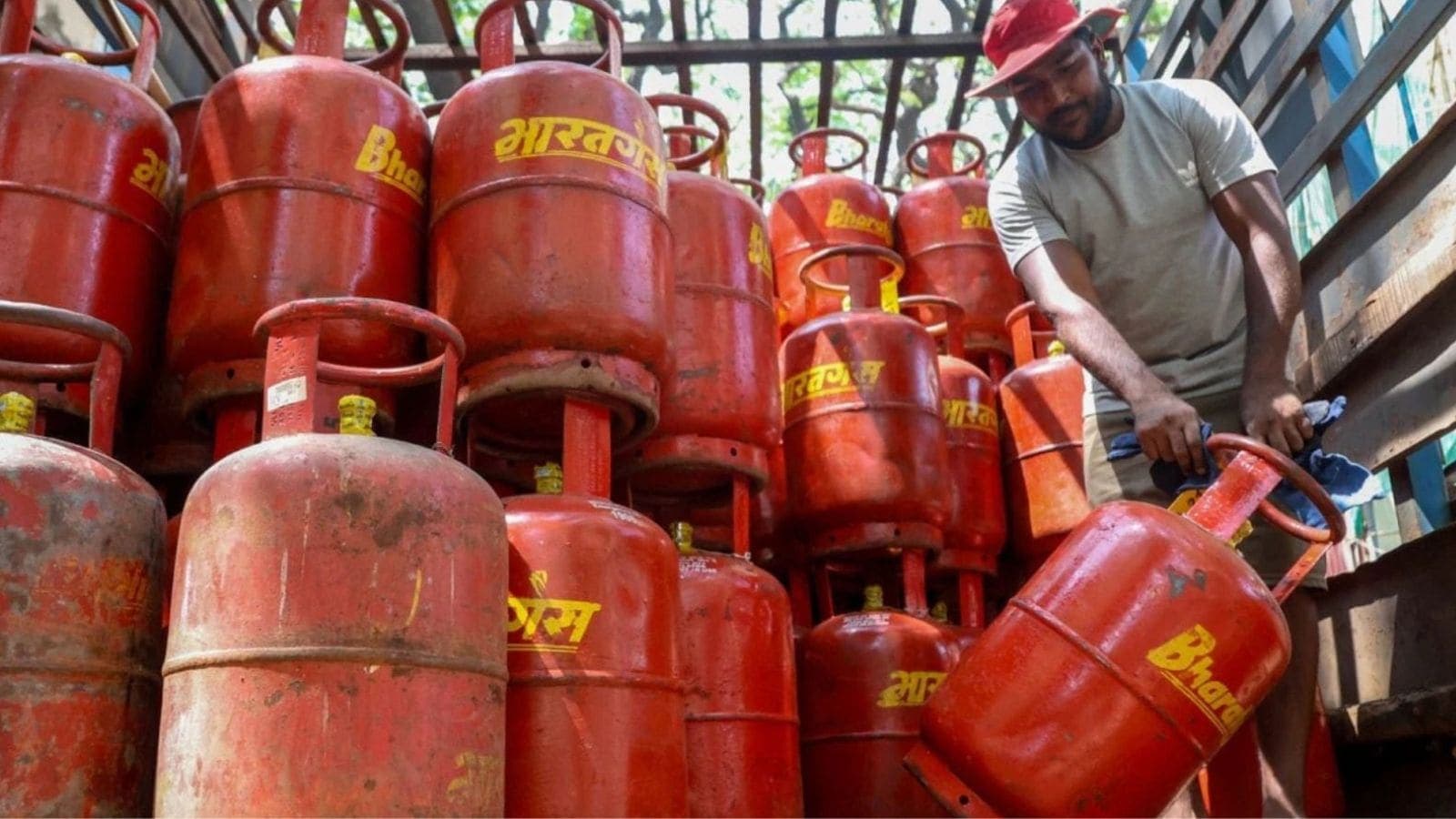
Commercial LPG prices have risen again, with increases of ₹42 in Delhi and ₹53.50 in Kolkata impacting businesses and consumers alike. Find out more.
Indian Express
Discover how a tragic coal mine explosion in Shanxi, China, reveals ongoing safety concerns in the industry amidst a push for green energy.
BBC Business
Montek Singh Ahluwalia highlights key economic challenges for India, emphasizing the need for a strategic approach to balance payments and investment.
Indian Express