
Image: Mint (Business)
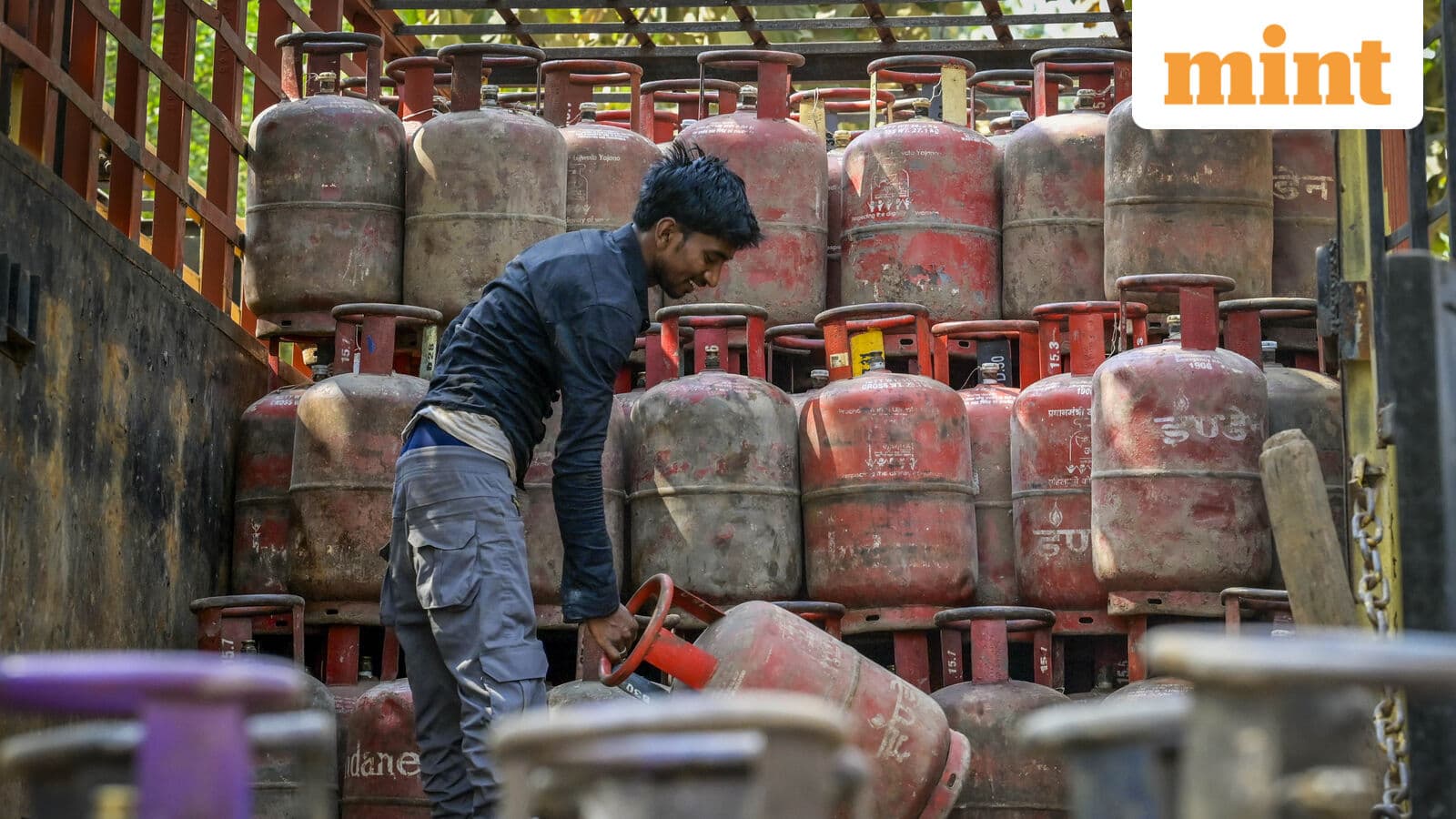
LPG cylinder prices in India soar as supply disruptions hit. Check the latest rates for major cities and understand the market impact.
GlipzoMarch 15, 2023, marks a significant day for consumers across India as liquefied petroleum gas (LPG) prices witness a notable increase. The rising costs have been driven by supply disruptions stemming from ongoing conflicts in the Middle East, particularly affecting trade through the Strait of Hormuz. This critical waterway is a vital conduit for LPG imports, with India relying on it for approximately 90% of its LPG supplies, leaving households and businesses feeling the pinch.
The current scenario highlights India's dependency on imports, which account for around 60% of its domestic LPG requirements. As a result, consumers are now facing higher costs for both domestic and commercial LPG cylinders. Last week, the price of a 14.2-kg domestic cylinder saw an increase of ₹60, while the 19-kg commercial cylinder experienced a hike of ₹114.5. This surge is forcing many to reconsider their consumption strategies.
The repercussions of these price hikes are being felt acutely across major cities such as Delhi, Mumbai, Bengaluru, Chennai, and Kolkata. The hospitality sector, in particular, has reported significant disruptions, leading many restaurants to either limit their menus or cease operations altogether. Many eateries have stopped offering meat dishes due to the higher cooking times and fuel demands associated with non-vegetarian meals.
In response to the supply challenges, panic buying has surged, with reports indicating a 60% increase in consumer purchases last Friday. This surge in demand is exacerbating the situation, as consumers rush to stock up on LPG cylinders amidst fears of further shortages.
In light of the ongoing challenges, the Indian government has taken decisive action to alleviate the situation. On Saturday, officials from the Union Ministry of Petroleum and Natural Gas announced that commercial LPG supplies would be distributed to states and union territories. Sujata Sharma, Joint Secretary of the ministry, stated, "After extensive discussions, the government has decided that commercial consumers will also get LPG. Commercial cylinder distribution has been started in various states and consumers have started receiving them."
In addition, the government has urged households with both piped natural gas (PNG) connections and LPG subscriptions to forgo their cylinder refills from public oil companies or their distributors. This move aims to prioritize LPG availability for those who rely solely on it for cooking.
Despite the challenging circumstances, there is a glimmer of hope as two India-flagged LPG tankers have successfully transited through the Strait of Hormuz and are currently en route to India. Their anticipated arrival could relieve some of the existing pressure on LPG supplies. However, the situation remains fluid, and consumers should stay vigilant as the market adapts to these changes.
The government’s proactive measures, combined with the potential influx of the arriving tankers, may help stabilize prices in the coming weeks. Nevertheless, the underlying geopolitical tensions in the Middle East could continue to pose risks for future supply and pricing dynamics.
As the situation evolves, consumers and businesses alike must remain informed about potential price fluctuations and supply chain developments. Monitoring government announcements and industry reports will be crucial for understanding how these changes may affect everyday life in India.
The rising costs of LPG cylinders have significant implications for both household budgets and the broader economy. For low-income families, the price increases may strain already tight financial resources. In the hospitality industry, ongoing challenges could lead to job losses and reduced consumer choice in various markets.
This situation underscores the importance of energy independence and the need for India to explore alternative sources of energy, reducing its reliance on imports from volatile regions.
Looking ahead, several factors will influence LPG prices and availability in India: - The geopolitical climate in the Middle East and its impact on trade routes. - The effectiveness of government interventions in stabilizing supply and prices. - The response of consumers and businesses to ongoing price changes and supply availability.
As the government works to navigate these challenges, consumers should stay alert to further updates and adjust their energy consumption accordingly. In the coming weeks, it will be critical to observe how these developments unfold and what measures are implemented to ensure a stable LPG supply for all Indians.
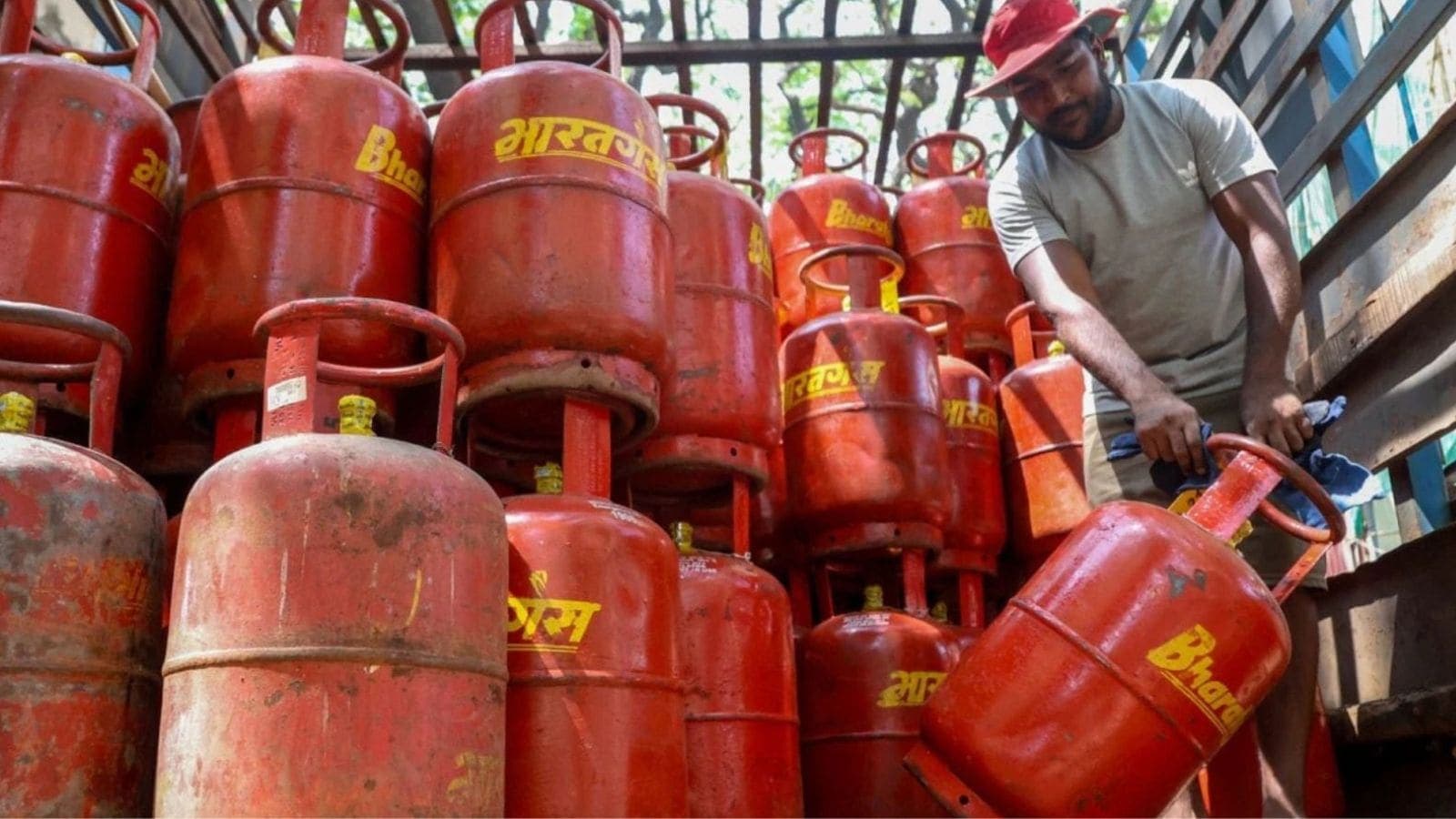
Commercial LPG prices have risen again, with increases of ₹42 in Delhi and ₹53.50 in Kolkata impacting businesses and consumers alike. Find out more.
Indian Express
Discover how a tragic coal mine explosion in Shanxi, China, reveals ongoing safety concerns in the industry amidst a push for green energy.
BBC Business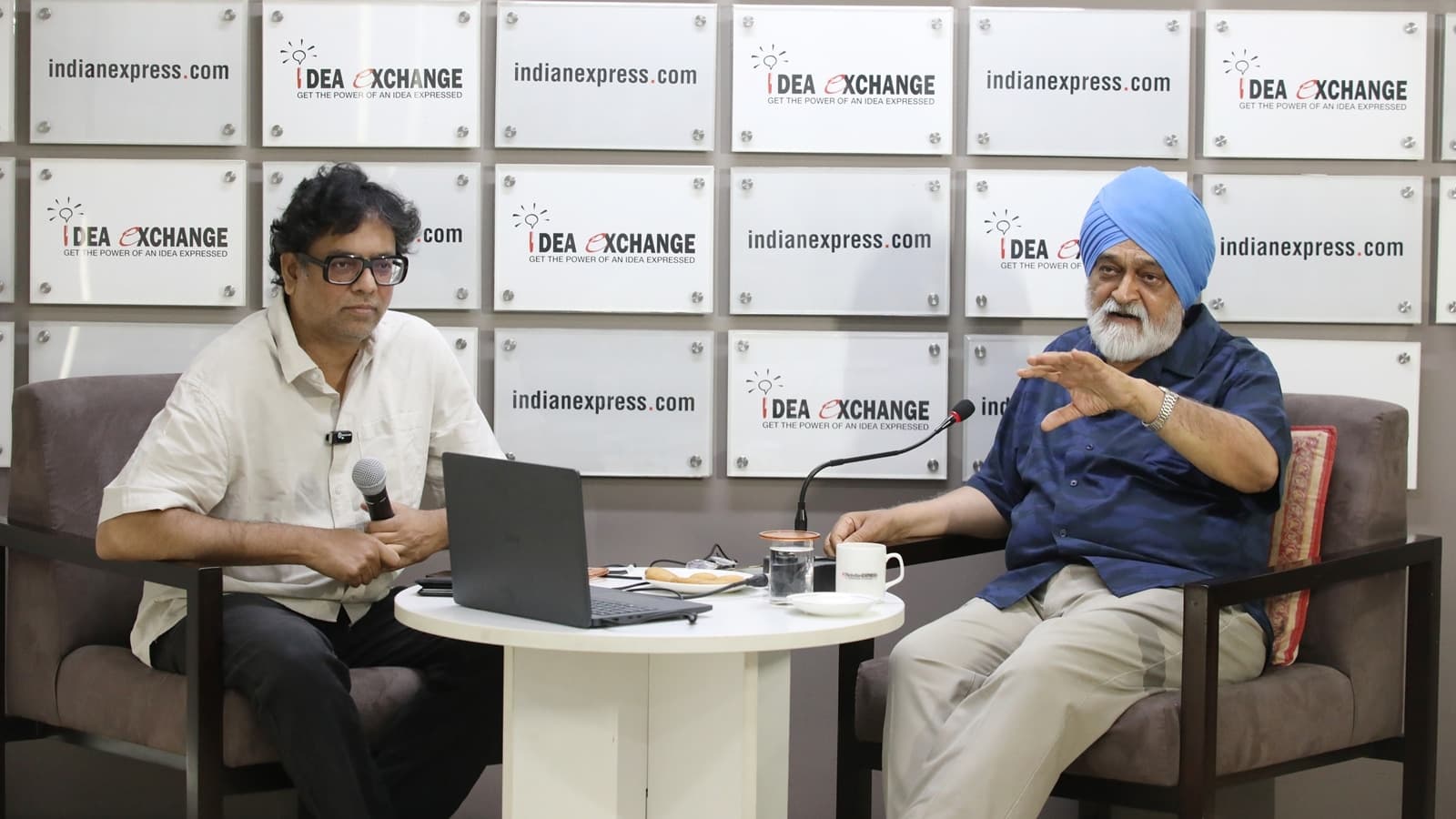
Montek Singh Ahluwalia highlights key economic challenges for India, emphasizing the need for a strategic approach to balance payments and investment.
Indian Express