Glipzo
WorldTechnologyBusinessSportsEntertainmentScienceHealthPolitics
Glipzo
WorldTechnologyBusinessSportsEntertainmentScienceHealthPolitics
  1. Home
  2. /
  3. Business
  4. /
  5. LPG Cylinder Price Hike on April 2: What You Need to Know
LPG Cylinder Price Hike on April 2: What You Need to Know

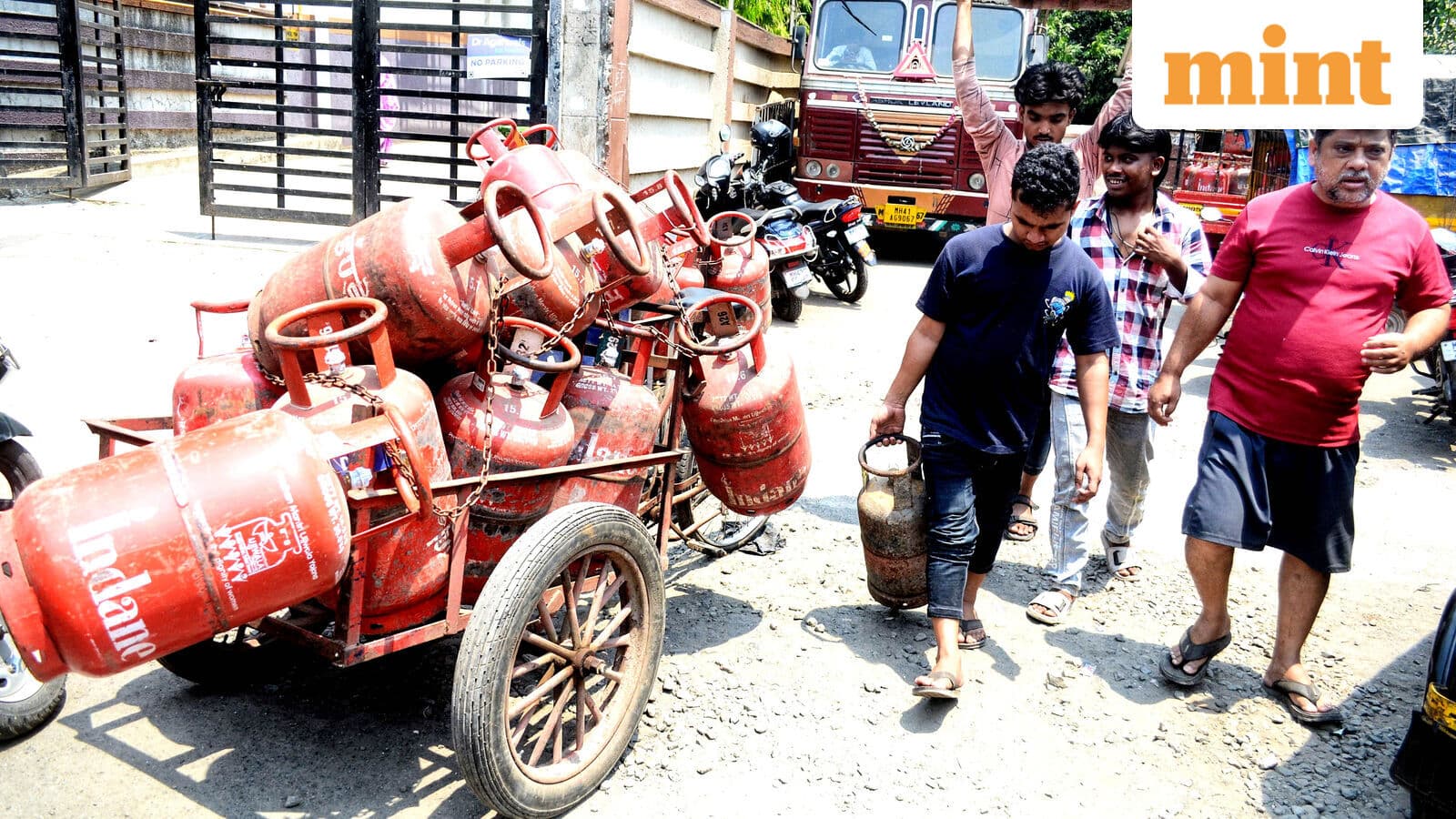
Image: Mint (Business)

Business
Thursday, April 2, 20264 min read

LPG Cylinder Price Hike on April 2: What You Need to Know

Discover the latest LPG price changes effective April 1, 2023, amid rising global tensions. How will this impact your daily life? Read more!

Glipzo News Desk|Source: Mint (Business)
Share
Glipzo

Key Highlights

  • LPG prices surge due to Middle East conflict, affecting millions.
  • Commercial LPG cylinder now costs ₹2,185 in Delhi!
  • Congress slams Modi government over repeated gas price hikes.
  • ATF prices also rise sharply, signaling broader economic impact.
  • Watch for future price changes as geopolitical tensions evolve.

In this article

  • Introduction: Rising LPG Prices Amid Global Tensions On **April 1, 2023**, significant adjustments to the prices of Liquefied Petroleum Gas (**LPG**) cylinders took effect, reflecting the ongoing geopolitical turmoil in the Middle East. This latest price increase impacts both commercial and domestic users across major Indian cities. The price hikes come as a direct result of the escalating conflict, with **global oil prices surging nearly 50%** since the onset of hostilities in the region.
  • Details on Price Changes and Their Impact The recent upward revision in prices is part of the monthly evaluations conducted by major state-owned oil companies such as **Indian Oil Corporation**, **Bharat Petroleum**, and **Hindustan Petroleum**. These adjustments are based on international oil price benchmarks and currency fluctuations. The **Aviation Turbine Fuel (ATF)** prices also saw a notable increase on the same day, with rates now set at **₹1,04,927 per kilolitre** in Delhi and **₹1,09,450 per kilolitre** in Kolkata.
  • Political Reaction to the Price Hike The government’s decision to raise commercial LPG prices has sparked criticism from opposition leaders. Congress spokesperson **Randeep Singh Surjewala** condemned the Modi administration, stating that the price hike places an undue burden on dhaba operators, restaurants, and other businesses. Surjewala highlighted that this marks the **third price increase in just 60 days**, emphasizing the historical context by noting that it is the first time a 19 kg commercial gas cylinder has surpassed ₹2,000.
  • Government's Response and Market Conditions In response to the rising prices and public outcry, Prime Minister **Narendra Modi** convened a special review meeting with the **Cabinet Committee on Security (CCS)**. The discussions focused on the supply status of petroleum products, encompassing both **LNG** and **LPG**, as well as overall power availability. Officials assured that there have been no reported shortages at LPG distributorships, despite claims to the contrary from opposition leaders.
  • Why It Matters: The Broader Implications of Rising LPG Prices The surge in LPG prices is not just a matter of economics; it reflects broader geopolitical issues that can impact daily life for millions of Indians. As the conflict in the Middle East continues to affect global oil supply chains, the costs of both domestic and commercial gas cylinders are likely to remain volatile.
  • Looking Ahead: What to Expect As the situation continues to unfold, it is crucial to monitor potential future price adjustments in LPG and ATF, especially as the conflict in the Middle East evolves. Consumers and businesses alike should stay informed about market changes and government responses to ensure they are prepared for any additional financial impacts.

Introduction: Rising LPG Prices Amid Global Tensions On **April 1, 2023**, significant adjustments to the prices of Liquefied Petroleum Gas (**LPG**) cylinders took effect, reflecting the ongoing geopolitical turmoil in the Middle East. This latest price increase impacts both commercial and domestic users across major Indian cities. The price hikes come as a direct result of the escalating conflict, with **global oil prices surging nearly 50%** since the onset of hostilities in the region.

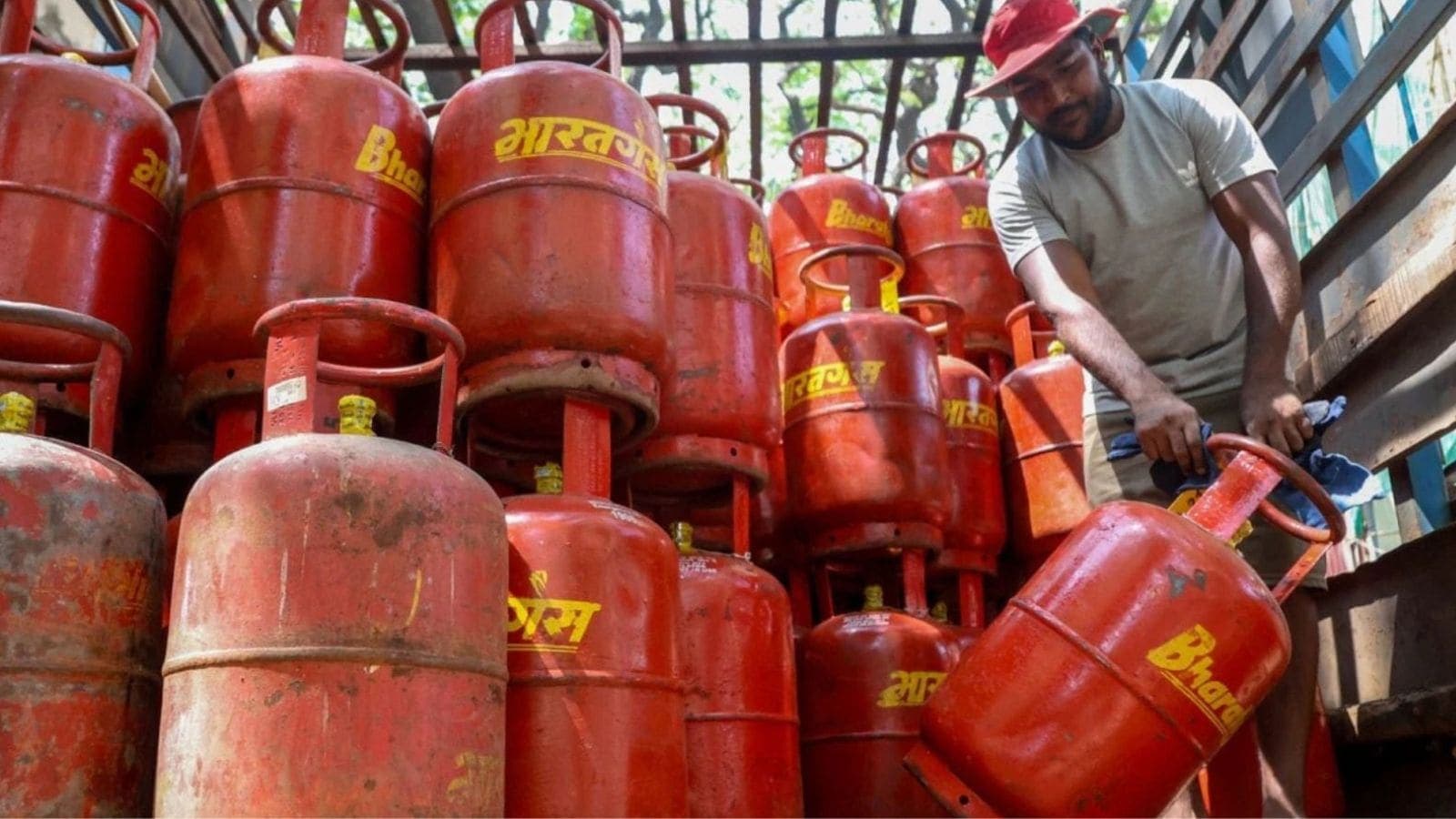
As a consequence of these adjustments, the 19 kg commercial LPG cylinder now costs ₹2,185 in Delhi, marking a staggering increase of ₹194. In Mumbai, the price jumped by ₹195. This is the second commercial price hike since the conflict escalated on March 28, following an earlier increase of ₹144.5 in March. Domestic LPG cylinder prices remained unchanged this month after a hike of ₹60 last month.

Details on Price Changes and Their Impact The recent upward revision in prices is part of the monthly evaluations conducted by major state-owned oil companies such as **Indian Oil Corporation**, **Bharat Petroleum**, and **Hindustan Petroleum**. These adjustments are based on international oil price benchmarks and currency fluctuations. The **Aviation Turbine Fuel (ATF)** prices also saw a notable increase on the same day, with rates now set at **₹1,04,927 per kilolitre** in Delhi and **₹1,09,450 per kilolitre** in Kolkata.

Key price changes include: - 19 kg commercial LPG cylinder: ₹2,185 in Delhi, ₹2,187 in Mumbai - ATF prices: ₹1,04,927 (Delhi), ₹1,09,450 (Kolkata), ₹98,247 (Mumbai), ₹1,09,873 (Chennai).

These price revisions have significant implications for various sectors, particularly for food service and hospitality industries, which rely heavily on commercial LPG for cooking.

Political Reaction to the Price Hike The government’s decision to raise commercial LPG prices has sparked criticism from opposition leaders. Congress spokesperson **Randeep Singh Surjewala** condemned the Modi administration, stating that the price hike places an undue burden on dhaba operators, restaurants, and other businesses. Surjewala highlighted that this marks the **third price increase in just 60 days**, emphasizing the historical context by noting that it is the first time a 19 kg commercial gas cylinder has surpassed ₹2,000.

Surjewala remarked, "In the Congress government, we left gas at ₹400, and even then, PM Modi twice raised the household gas cylinder to ₹913. Now, after April 9 and April 23, how much more they'll increase it—only God knows.” This pushback reflects the growing concern among citizens and business owners about the affordability of essential commodities amid rising costs.

Government's Response and Market Conditions In response to the rising prices and public outcry, Prime Minister **Narendra Modi** convened a special review meeting with the **Cabinet Committee on Security (CCS)**. The discussions focused on the supply status of petroleum products, encompassing both **LNG** and **LPG**, as well as overall power availability. Officials assured that there have been no reported shortages at LPG distributorships, despite claims to the contrary from opposition leaders.

Shiv Sena (UBT) leader Sanjay Raut criticized the government’s assurances, claiming that there is indeed a shortage of LPG cylinders and warning that this issue may persist. "Don't trust the (Union) government. It is lying. There is a shortage of LPG, and it will persist," Raut stated, highlighting the ongoing tension between the ruling party and the opposition.

Why It Matters: The Broader Implications of Rising LPG Prices The surge in LPG prices is not just a matter of economics; it reflects broader geopolitical issues that can impact daily life for millions of Indians. As the conflict in the Middle East continues to affect global oil supply chains, the costs of both domestic and commercial gas cylinders are likely to remain volatile.

The implications extend beyond immediate financial burdens. Businesses that rely on LPG may be forced to pass these costs onto consumers, leading to increased prices for food and other essential services. This could exacerbate inflationary pressures in an already strained economy, potentially leading to a cycle of rising costs.

Looking Ahead: What to Expect As the situation continues to unfold, it is crucial to monitor potential future price adjustments in LPG and ATF, especially as the conflict in the Middle East evolves. Consumers and businesses alike should stay informed about market changes and government responses to ensure they are prepared for any additional financial impacts.

In the coming weeks, observers will be keenly watching how the government addresses public concerns and whether further price hikes are anticipated. Additionally, the effectiveness of diplomatic efforts to stabilize oil supply chains will play a critical role in determining future pricing trends.

With the global oil market remaining sensitive to geopolitical developments, understanding these dynamics will be essential for navigating the challenges posed by rising energy costs.
Did you find this article useful? Share it!

Share

Related Articles

Major Guilty Plea: Evergrande's Founder Admits Fraud Charges
Business
Apr 14, 2026

Major Guilty Plea: Evergrande's Founder Admits Fraud Charges

Evergrande founder Hui Ka Yan pleads guilty to fraud amid the company's collapse, impacting China's property sector. What does this mean for the future?

BBC Business
Sonu Nigam Sells Rs 1.95 Crore Agricultural Land in Raigad
Business
Apr 14, 2026

Sonu Nigam Sells Rs 1.95 Crore Agricultural Land in Raigad

Sonu Nigam's sale of Rs 1.95 crore agricultural land in Raigad reveals growing interest in rural real estate and agri-tourism. Discover the details!

Bollywood Hungama
Oil Prices Fall Amid Renewed US-Iran Peace Negotiations
Business
Apr 14, 2026

Oil Prices Fall Amid Renewed US-Iran Peace Negotiations

Oil prices dip as US-Iran peace talks gain traction. Discover how these developments could impact global energy markets and economic stability.

BBC Business

Categories

  • World
  • Technology
  • Business
  • Sports

More

  • Entertainment
  • Science
  • Health
  • Politics

Explore

  • Web Stories
  • About Us
  • Contact

Legal

  • Privacy Policy
  • Terms of Service

© 2026 Glipzo. All rights reserved.