
Image: The Hindu
The LPG shortage in India forces PM POSHAN kitchens back to firewood, impacting women workers and children's nutrition. What’s next for the scheme?
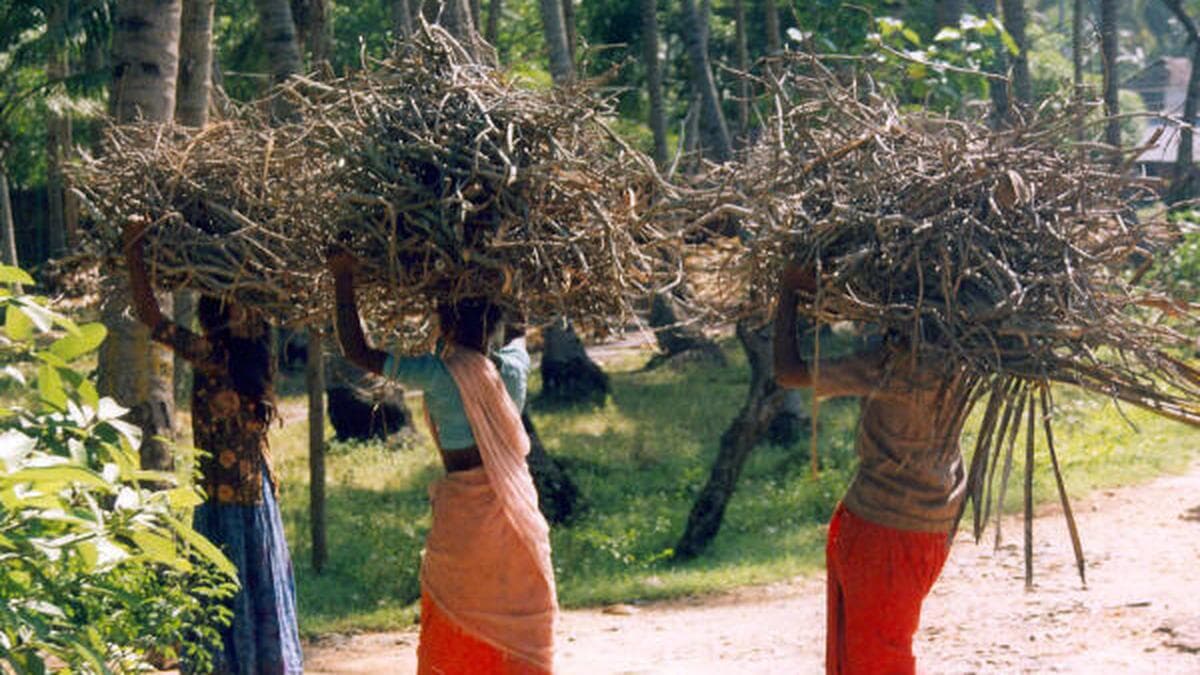
GlipzoIn a troubling development, the PM POSHAN mid-day meal scheme in India is grappling with significant challenges due to an ongoing LPG crisis. Triggered by the escalating conflict between Israel and Iran, the shortage is forcing many schools to revert to using firewood for cooking. This scheme is vital for approximately 11 crore children across 10.35 lakh schools, primarily serving those from disadvantaged communities.
The shift back to firewood not only complicates the cooking process but also poses health risks, particularly for the women who make up over 90% of the cook-cum-helpers (CCHs) in this initiative. As the backbone of these school kitchens, their ability to provide nutritious meals is being severely compromised.
Experts highlight the detrimental health impacts of cooking with firewood, including aggravated respiratory conditions and increased risks of chronic illnesses like bronchitis and asthma. The Ministry of Education indicates that there are 24 lakh women CCHs involved in the PM POSHAN scheme, receiving a modest honorarium of ₹1,000 per month, shared between the Central and state governments. Despite these meager earnings, these women strive to ensure that children receive adequate nutrition.
Bharathi, a dedicated cook from a remote block in Bihar, illustrates the daily struggles faced by these women. Her workday begins at 8 a.m. as she prepares meals for nearly 500 children. With the recent shift back to firewood cooking, she has found herself revisiting the physical strains of her earlier days. "Cooking with firewood is not only time-consuming but also leaves me with watery eyes and chest discomfort," Bharathi shares, expressing her concern about the rising summer temperatures that exacerbate working conditions.
Bharathi’s situation is not unique. Many women like her are being pushed back to traditional cooking methods, often with little hope for a return to LPG. Lakshmi, another cook from a rural district in Telangana, has been using firewood for nearly 17 years due to the inconsistent availability of subsidized LPG. She notes that the government provides only basic rations like rice and jowar, while other necessary ingredients must be purchased out of pocket.
Lakshmi spends approximately ₹50,000 per month on ingredients such as eggs, vegetables, pulses, and cooking oil—often borrowing money due to delayed reimbursements. The cost of an LPG cylinder, which lasts only about a week, is beyond her reach, leading her to allocate around ₹3,000 monthly for firewood. This shift not only affects their financial situation but also significantly impacts the quality of food served to children.
The economic impact of reverting to firewood is compounded by health concerns. Women CCHs are not only responsible for preparing meals but also for managing the associated costs and sourcing of ingredients. The reliance on firewood introduces not just physical challenges but also exacerbates respiratory issues, especially as many of these women already struggle with health problems.
As the PM POSHAN scheme continues to face implementation challenges, the plight of these women serves as a stark reminder of the broader implications of the LPG crisis. Their role in the education and nutrition of 11 crore children is vital, and without the necessary resources, their ability to provide quality meals is jeopardized.
The ongoing LPG shortage raises critical questions about the future of the PM POSHAN scheme and its impact on vulnerable communities. As the conflict in the Middle East continues, it remains uncertain when normal supplies will resume, leaving schools and their cooks in a precarious position.
What to watch for: - The government’s response to the LPG crisis and potential support measures for schools. - Initiatives to improve health and safety for women CCHs forced to use firewood. - Community efforts to sustain nutrition standards in schools despite resource challenges.
As this situation unfolds, the resilience of the women in these kitchens will be tested, and their stories will need to be highlighted to ensure they receive the support they deserve. The commitment to providing nutritious meals to children is strong, but without sufficient resources, the health and welfare of both the cooks and the children they serve remain at risk.
Shocking findings from Nottingham's maternity unit reveal a toxic culture and alarming neglect. What can be done to improve care? Discover the details.
BBC Health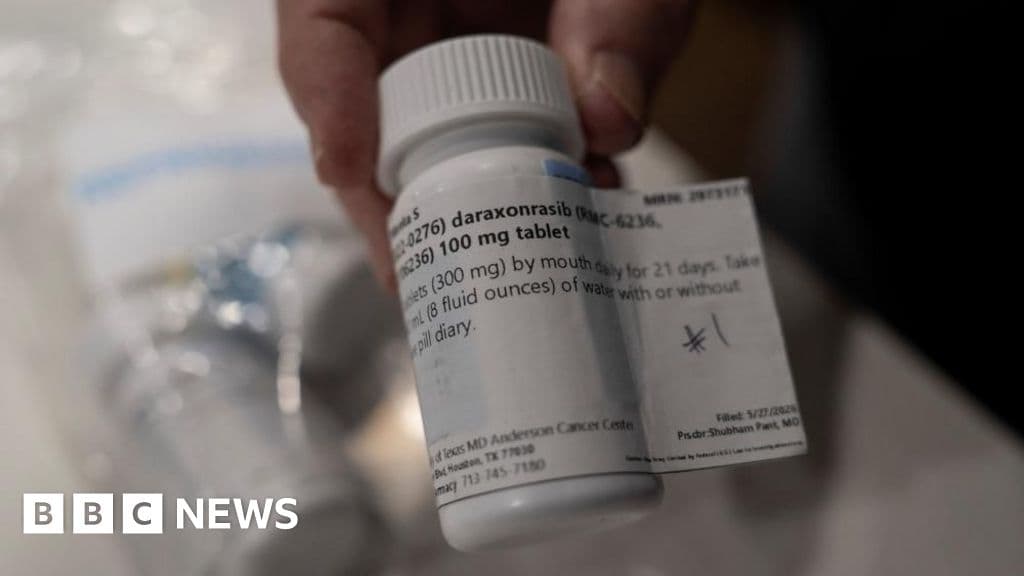
Discover how daraxonrasib, a new pill, is nearly doubling survival rates for pancreatic cancer patients, offering hope in a challenging battle against this deadly disease.
BBC Health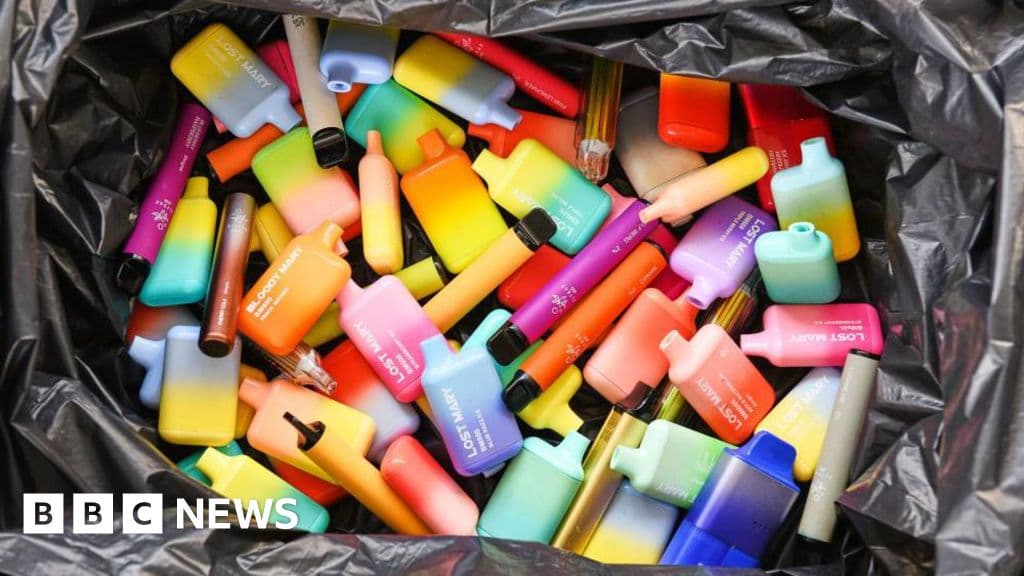
Waste companies propose a £5 deposit on vapes to encourage proper disposal and curb littering as the environmental impact of vapes increases.
BBC Business