

Image: The Verge
Meta's decline in VR ambitions raises questions about antitrust laws and corporate responsibility. How did Lina Khan's vision confront these challenges?
GlipzoIn 2021, the digital landscape was transformed as the world grappled with the pandemic, leading to an unprecedented surge in virtual interactions. This shift enabled companies like Facebook, which later rebranded as Meta, to heavily invest in the metaverse, a concept touted as the next iteration of the internet. However, as the years went by, Meta's ambitious plans for virtual reality (VR) have faltered, culminating in the recent demise of its popular fitness game, Supernatural. This unfortunate turn of events sheds light on the broader implications of antitrust regulations and their impact on technology companies.
Meta’s journey began with an aggressive strategy to dominate the VR market. After incurring significant losses in its venture, Meta introduced the Quest 2 headset and aimed to release a premium version, the Quest Pro. The tech giant also announced a $400 million acquisition of the VR gaming studio, Within, creators of Supernatural. Fast forward to today, and the game is no longer operational, leaving a loyal user base heartbroken and questioning the viability of Meta’s direction.
Former FTC chair Lina Khan has always believed in the importance of robust antitrust laws. Her tenure aimed to redefine the approach toward monopolistic behavior, particularly concerning tech giants like Meta. Khan attempted to challenge Meta’s acquisition of Within, arguing that it set a dangerous precedent in an evolving industry.
Khan’s perspective is rooted in the idea of “regulatory humility.” She emphasized that regulators often lack foresight into how certain products can foster community engagement and well-being. “Bringing to light that [Supernatural] was a core way for communities to stay healthy shows that there were real stakes here,” she remarked, highlighting the human cost associated with corporate decisions.
The FTC’s lawsuit against Meta was not merely about competition in the present but rather about preventing future monopolistic practices. The agency contended that by acquiring various development studios, Meta aimed to stifle competition and entrench its dominance in the VR sector. This approach was met with skepticism from industry experts, who questioned how acquiring a small studio could significantly alter market dynamics.
Despite the FTC's well-intentioned motives, the lawsuit faced fierce criticism. Gary Shapiro, CEO of the Consumer Technology Association, described the case as “laughable” and lacking merit in a Forbes op-ed. Reports indicated that Khan had to push back against her own staff’s reservations to move forward with the case against Meta. The tech giant, in its defense, argued that the FTC’s claims were speculative and not substantiated by clear evidence.
Ultimately, the court ruling favored Meta, stating that the FTC had failed to demonstrate how Meta's activities harmed the VR fitness market. The verdict underscored a critical element in antitrust law: proving tangible harm to existing competition is often a prerequisite for legal action. Consequently, Meta proceeded with its acquisition of Supernatural in 2023.
Earlier this year, Meta officially announced a strategic shift away from the metaverse towards other technologies, including smart glasses and AI. This pivot raised concerns among VR enthusiasts about the future of the industry. Following significant layoffs in its Reality Labs division, Meta also ceased new content development for Supernatural, effectively leaving the game in limbo.
The action sparked outrage among devoted players who felt abandoned by a company that once promised to innovate and expand their community. Many expressed their discontent, voicing concerns about how a lack of accountability for Big Tech leads to the degradation of products and experiences.
The fallout from Meta's decisions serves as a critical case study in the discourse surrounding antitrust regulations. The incident illustrates how regulatory frameworks must adapt to the unique challenges posed by rapidly evolving industries like technology and virtual reality. Khan’s attempts to expand the scope of antitrust law may have been met with resistance, but the consequences of ignoring these regulations can be profound.
As the VR industry continues to mature, the need for effective oversight becomes increasingly evident. The challenge lies in balancing innovation with competition to ensure that consumers benefit from diverse options rather than being at the mercy of a single, dominant player. Meta’s recent actions highlight the importance of vigilance in regulatory practices to safeguard against monopolistic behaviors.
As Meta recalibrates its focus, the future of VR remains uncertain. Enthusiasts and industry stakeholders are left pondering whether Meta will fully abandon its VR ambitions or simply repackage them under a different guise. The community’s outcry underscores a critical need for companies to prioritize user engagement and satisfaction, rather than merely pursuing growth through acquisitions.
In the coming months, observers should keep a close watch on Meta’s developments in AI and smart glasses, as well as any potential shifts in its approach to VR. The ongoing dialogue surrounding antitrust law will also be pivotal in shaping the future landscape of technology, especially as regulators grapple with how to effectively manage the complexities of the digital age.
As we look to the future, the lessons learned from Meta’s struggles with Supernatural may serve as a cautionary tale for both tech giants and regulators alike. The balance between innovation and competition is fragile, and the stakes are higher than ever in an interconnected world.
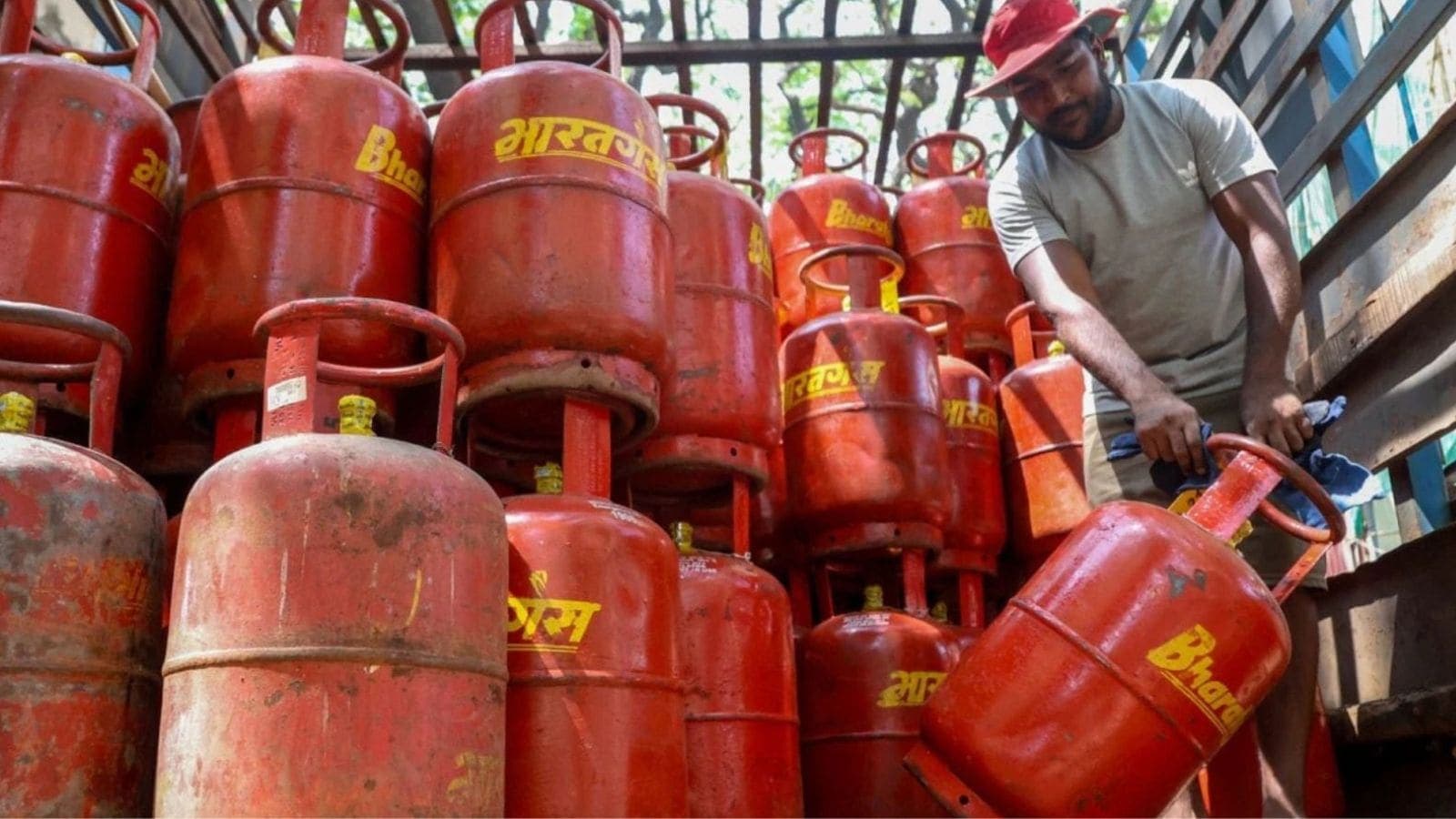
Commercial LPG prices have risen again, with increases of ₹42 in Delhi and ₹53.50 in Kolkata impacting businesses and consumers alike. Find out more.
Indian Express
Discover how a tragic coal mine explosion in Shanxi, China, reveals ongoing safety concerns in the industry amidst a push for green energy.
BBC Business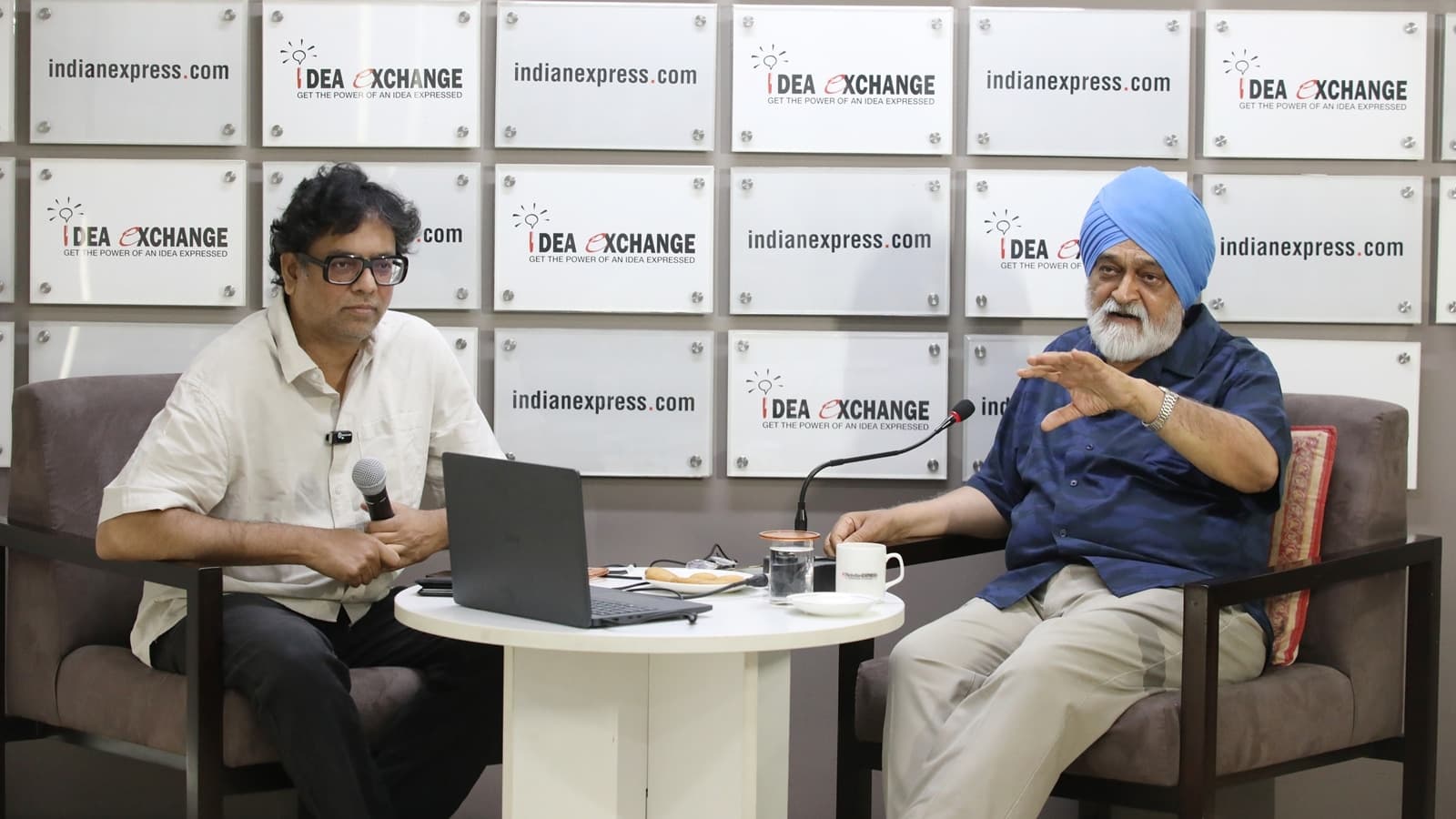
Montek Singh Ahluwalia highlights key economic challenges for India, emphasizing the need for a strategic approach to balance payments and investment.
Indian Express