
Image: The Hindu
Discover the Left Front's first list of 192 candidates for the 2026 West Bengal Assembly elections, including key figures and their historical significance.
GlipzoIn a significant move ahead of the 2026 West Bengal Assembly elections, the Communist Party of India (Marxist), leading the Left Front, announced its first batch of candidates on March 16, 2026. This announcement reveals a lineup of 192 candidates vying for 294 Assembly seats, showcasing a blend of seasoned politicians and youthful leaders. Notably, 27 women candidates are included, emphasizing the party's commitment to gender representation.
The announcement comes as the political landscape in West Bengal undergoes notable shifts, especially with the Congress party opting to contest the elections independently. The Left Front has reached an electoral agreement for seat-sharing with the Communist Party of India (Marxist-Leninist) Liberation and the Indian Secular Front, marking a strategic coalition to strengthen their electoral viability.
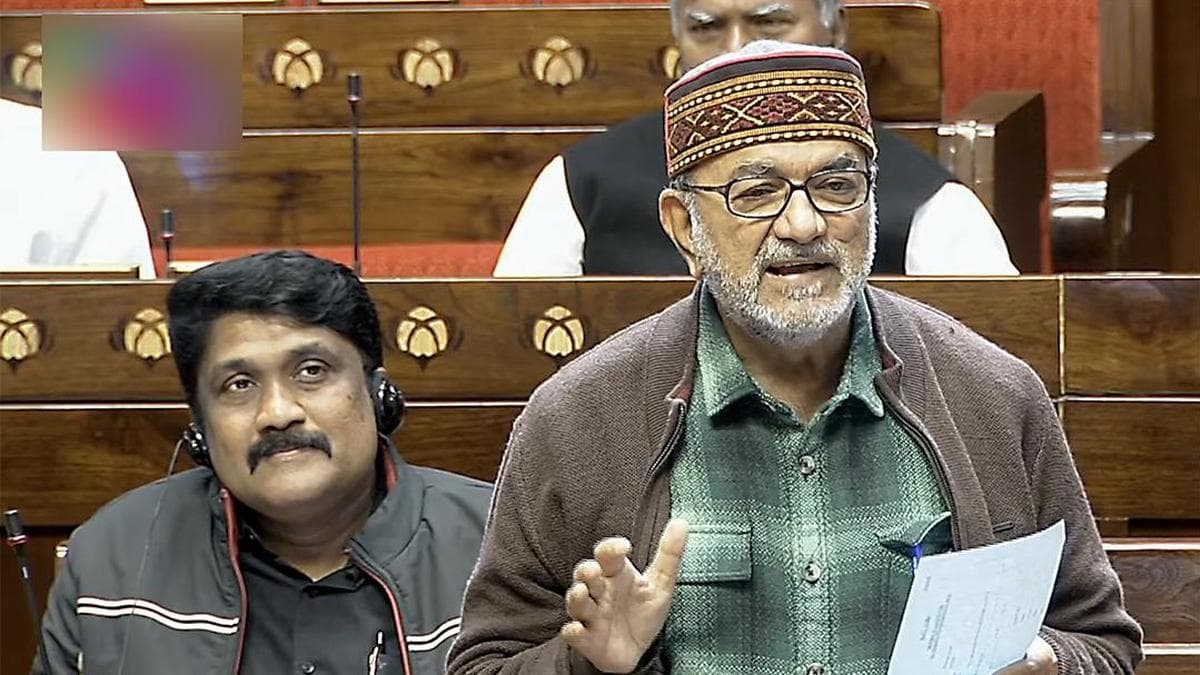
Among the prominent figures listed is Bikash Ranjan Bhattacharya, a former Kolkata Mayor and current Rajya Sabha MP, who will represent the Jadavpur constituency. His experience and established political background may play a crucial role in the elections. Also making headlines is Sabina Yasmin, contesting from Kaliganj in Nadia district. Yasmin is not just another candidate; she is the grieving mother of nine-year-old Tamanna Khatun, who tragically lost her life in a political violence incident in June 2025. This personal tragedy has positioned Yasmin as a poignant symbol of resilience and justice in the face of political unrest.
Other notable candidates include: - Minakshi Mukherjee from Uttarpara, a rising youth leader who previously made waves by contesting against prominent figures like Chief Minister Mamata Banerjee. - Dipsita Dhar from Dum Dum Uttar, another youthful candidate with strong connections to the Student Federation of India (SFI). - Deblina Hembram, a significant tribal leader from Jhargram, who brings diversity to the party's representation.
The decision for Congress to field candidates independently signals the end of a nearly decade-long alliance with the Left Front. In the 2021 Assembly elections, this coalition resulted in a disappointing outcome, with both the Left Front and Congress failing to secure any seats, while the ISF managed to clinch just one.
This historical context is essential in understanding the stakes involved for the Left Front as they approach the 2026 elections. The coalition with CPI(ML) and ISF aims to consolidate votes against the dominant Trinamool Congress (TMC), which has maintained a stronghold in West Bengal politics for over a decade. As the political dynamics evolve, the Left Front's ability to attract voters who are disenchanted with the current government will be critical.
The inclusion of 27 women candidates marks a significant push towards gender equality within the Left Front's political strategy. This move acknowledges the growing demand for women's representation in politics and aims to resonate with a broader base of voters. Leaders like Minakshi Mukherjee and Dipsita Dhar are pivotal in this strategy, as they embody the aspirations of younger voters seeking change.
Mukherjee, who has gained recognition for her activism following police brutality against students in 2020, represents a new wave of leadership that resonates with the youth. Her past experiences have equipped her with the necessary insights into the challenges faced by the younger demographic in West Bengal.
While the Left Front's candidate list is ambitious, the path to success is fraught with challenges. The TMC, led by Chief Minister Mamata Banerjee, remains a formidable opponent, buoyed by significant grassroots support and a well-oiled election machinery. Furthermore, the BJP is also expected to play a crucial role, as the party aims to capitalize on any discontent against the TMC.
The Left Front's strategy will hinge on effectively mobilizing its base, especially among youth and women, while addressing the pressing issues that the electorate faces, such as unemployment, education, and healthcare. The coalition's ability to present a unified front and articulate a compelling vision for West Bengal will be pivotal for their electoral success.
As the election date approaches, the focus will be on how the Left Front and its allies position themselves against the backdrop of a fiercely competitive political landscape. Observers will be keenly watching the forthcoming lists from CPI(ML) and ISF, as well as the campaign strategies of all parties involved.
With the elections set to take place in a politically charged environment, the 2026 West Bengal Assembly elections could redefine the region's political landscape, presenting opportunities for alliances, shifts in voter sentiment, and perhaps even a resurgence for the Left Front. Voters are expected to engage actively, given the stakes involved in shaping the future of West Bengal.
In conclusion, as the Left Front gears up for the upcoming elections, the emphasis on youth, women, and coalition-building will be key to their strategy. The evolving dynamics between traditional parties and emerging voices promise an exciting electoral season ahead, making it essential for all stakeholders to remain vigilant and responsive to the electorate's needs.

Tensions soar as the US and Iran engage in air strikes near the Strait of Hormuz, raising concerns over global oil supply and regional stability.
BBC World
Trump's international interventions face serious stalemates. What will this mean for U.S. foreign policy? Explore the critical challenges ahead.
Indian Express
Tehran denies resignation of President Masoud Pezeshkian amid claims of IRGC influence. What does this mean for Iran's political stability? Click to learn more!
Indian Express