
Image: The Hindu
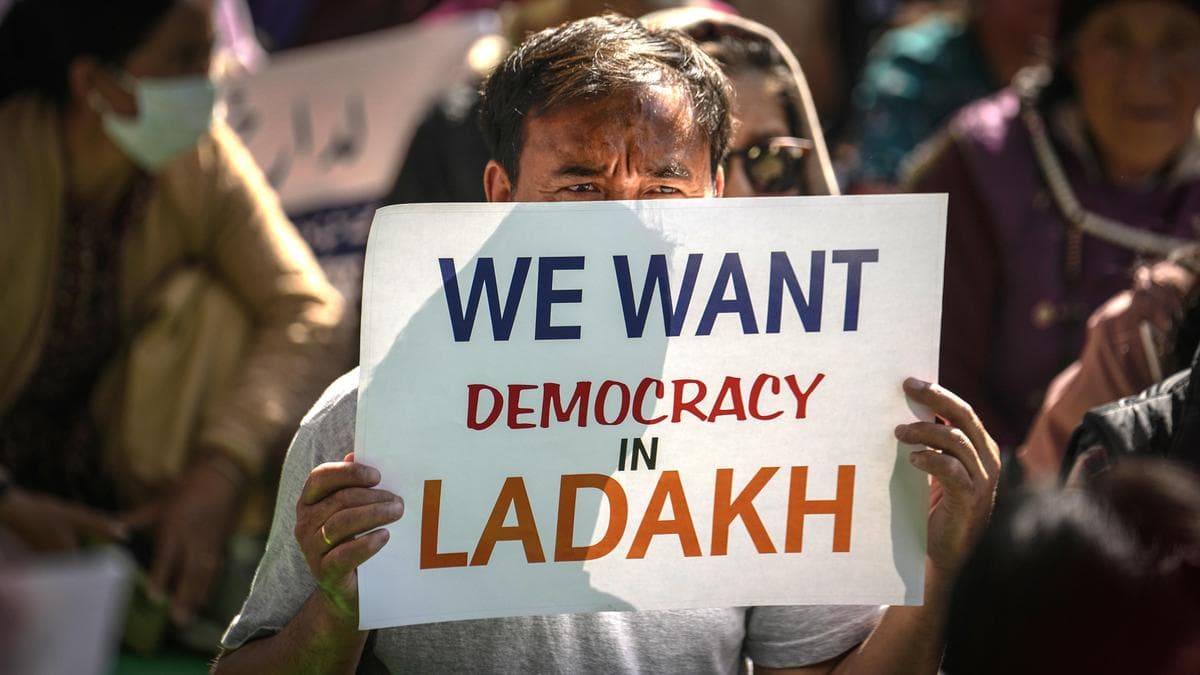
On March 16, Ladakh protests for Statehood and safeguards continue despite activist Sonam Wangchuk's release. Will the government respond?
GlipzoOn March 16, 2026, civil society groups in Ladakh are set to stage a significant protest advocating for essential constitutional safeguards, even after the recent release of climate activist Sonam Wangchuk from detention. This decision comes in the wake of ongoing frustrations regarding unaddressed regional demands, as outlined by the Leh Apex Body (LAB) and the Kargil Democratic Alliance (KDA).
These groups, representing the interests of the Leh and Kargil districts, announced their protest on March 10, 2026, to draw the attention of the Indian government to critical issues such as the demand for Statehood, inclusion under the Sixth Schedule of the Constitution, and the appointment of a separate Member of Parliament for each district. They believe these measures are vital for the political and economic development of the region.
Cherring Dorjay Lakruk, co-convenor of the LAB and president of the Ladakh Buddhist Association, emphasized that the release of Wangchuk, while a positive development, does not change the pressing need for constitutional safeguards that the region has been pursuing. He stated, “Sonam Wangchuk’s release is one of the several issues we have been pursuing. Our demands for constitutional safeguards and development for the region are yet to be fulfilled.”
Sajjad Kargili from the KDA anticipates that around 1,000 demonstrators will gather in Kargil for the planned protest. He acknowledged the revocation of the National Security Act (NSA) as a step forward but insisted that their struggle for recognition and rights would persist. Kargili also called for the immediate release of two other activists, Deldan Namgial and Smanla Dorjey, who have been detained since September 2025.
The ongoing dialogue with the Indian Ministry of Home Affairs has yielded little progress, with the last meeting of the high-powered committee occurring on February 4, 2026, following a series of violent incidents that rocked Leh city. These events resulted in tragic casualties, including the death of a Kargil war veteran. The discussions have largely focused on offering safeguards under Article 371 of the Constitution, which pertains to special provisions for certain regions in India. However, local leaders argue that these measures fall short of their demands for genuine autonomy.
The BJP-led government has faced criticism from various opposition parties regarding the treatment of Wangchuk. Aam Aadmi Party (AAP) leader Arvind Kejriwal remarked that Wangchuk’s imprisonment was unjust and reflected poorly on the government's commitment to civil liberties and scientific discourse. Samajwadi Party chief Akhilesh Yadav echoed similar sentiments, asserting that the BJP’s initial promise of Statehood was never fulfilled and lamenting Wangchuk’s detention.
In response to the unrest, Ladakh Chief Secretary Ashish Kundra and police chief Mukesh Singh announced plans for a significant recruitment drive aimed at filling 365 police constable positions and 35 sub-inspector roles starting April 15, 2026. This recruitment drive is seen as a move to bolster local governance and security, but many in the region remain skeptical about the government’s commitment to addressing their broader demands.
The protest scheduled for March 16 represents a pivotal moment for Ladakh’s civil society, which is at a crossroads between a push for autonomy and the current political landscape. The outcome of this protest may significantly impact the future of governance and rights in the region. Leaders from both the LAB and KDA are calling for unity and sustained pressure on the government to acknowledge and act upon their demands.
The situation in Ladakh is emblematic of broader struggles for autonomy and rights faced by various regions across India. The demands for Statehood and constitutional protections are not merely local grievances; they reflect a desire for recognition and respect for the unique cultural and social fabric of Ladakh. As civil society groups mobilize for action, the eyes of the nation will be on them, and the responses from the government will be critical in shaping the future of this strategically significant region.
As the protest approaches, stakeholders are advised to monitor the government’s response closely. Will the administration take meaningful steps toward addressing the protesters' demands, or will tensions escalate further? The next few days could prove crucial in determining the trajectory of Ladakh's governance and its relationship with the central government.

Tensions soar as the US and Iran engage in air strikes near the Strait of Hormuz, raising concerns over global oil supply and regional stability.
BBC World
Trump's international interventions face serious stalemates. What will this mean for U.S. foreign policy? Explore the critical challenges ahead.
Indian Express
Tehran denies resignation of President Masoud Pezeshkian amid claims of IRGC influence. What does this mean for Iran's political stability? Click to learn more!
Indian Express