
Image: The Hindu
Kerala doctors protest the suspension of a gynaecologist, calling for justice and highlighting systemic issues in healthcare infrastructure and safety.
GlipzoIn a significant display of solidarity, the Kerala Government Medical Officers’ Association (KGMOA) has voiced its profound disapproval regarding the recent suspension of a gynaecologist-obstetrician at the Nedumangad district hospital. This action follows the tragic death of a newborn, which has raised serious concerns about the treatment and working conditions faced by medical professionals in the region. The expert committees that examined the case concluded that the doctor did not exhibit any medical negligence, making the suspension appear unjust and unwarranted.
The KGMOA has also raised alarms about the government's inaction toward individuals responsible for physically attacking the hospital's Superintendent in connection with the newborn’s death. This violent incident has exacerbated tensions within the healthcare community, prompting urgent calls for accountability and justice.
During a recent meeting of the KGMOA district general body, members evaluated the dire state of human resources and infrastructure at local healthcare facilities. They underscored that continuing delivery services in areas lacking adequate infrastructure and personnel poses a severe risk to the lives and health of mothers and their newborns.
The association has declared that, effective immediately, public sector institutions with only two gynaecologists will no longer perform on-call delivery services or related surgeries beyond regular duty hours. This decision is a direct response to the precarious conditions under which healthcare professionals are expected to operate, raising questions about patient safety and ethical medical practice.
In a bid to seek justice for the suspended doctor and to ensure the safety of medical staff, the KGMOA has announced a series of protests. Starting Tuesday, the association will halt Speciality OP services and elective surgeries across various institutions. KGMOA leaders have made it clear that if the government fails to address the critical issues raised by the medical community, they will escalate their agitation efforts.
“The suspension of our colleague is not just about one individual; it reflects a broader issue of how medical professionals are treated and the systemic challenges we face,” stated a KGMOA representative. The association’s stance emphasizes the need for a responsible governmental approach to healthcare that prioritizes both patient and provider safety.
The situation unfolding in Kerala reflects a troubling trend in healthcare systems where medical professionals often find themselves at the mercy of public opinion and administrative decisions, especially in emotionally charged cases. As the KGMOA rallies for support and justice, their actions also highlight the urgent need for systemic reforms within Kerala's public healthcare framework.
The protests not only aim to support the suspended gynaecologist but also seek to spotlight the overarching issues of inadequate medical resources and the increasing violence against healthcare workers. The KGMOA's decision to halt services will undoubtedly have a ripple effect on patient care, possibly leading to delayed treatments and increased pressure on already strained hospital systems.
The actions taken by the KGMOA underscore a critical juncture for healthcare in Kerala. The suspension of the gynaecologist, despite the lack of negligence, raises pivotal questions about the protection and treatment of medical professionals in the face of public scrutiny. Moreover, the physical assault on the Superintendent signals a worrying trend of violence against healthcare workers, which could deter future medical practitioners from entering the field.
The ongoing protests are not just about the fate of one doctor; they represent a call for recognition of the challenges faced by healthcare providers, the necessity for adequate support systems, and the importance of ensuring a safe environment for both patients and medical personnel. As the KGMOA continues to advocate for justice, all eyes will be on the government's response and whether it can effectively address these pressing concerns.
As the situation develops, stakeholders in Kerala's healthcare system will be watching closely. The KGMOA’s actions may prompt a broader dialogue about healthcare reform, the legal protections for medical professionals, and the need for a more robust infrastructure to support them. Additionally, how the government responds to the association’s demands could set a precedent for future interactions between healthcare providers and regulatory bodies.
In conclusion, the ongoing protests by the KGMOA serve as a vital reminder that the health of a community is intrinsically linked to the well-being of its healthcare providers. As tensions rise, both parties must find common ground to ensure that healthcare in Kerala can continue to thrive amidst challenges.
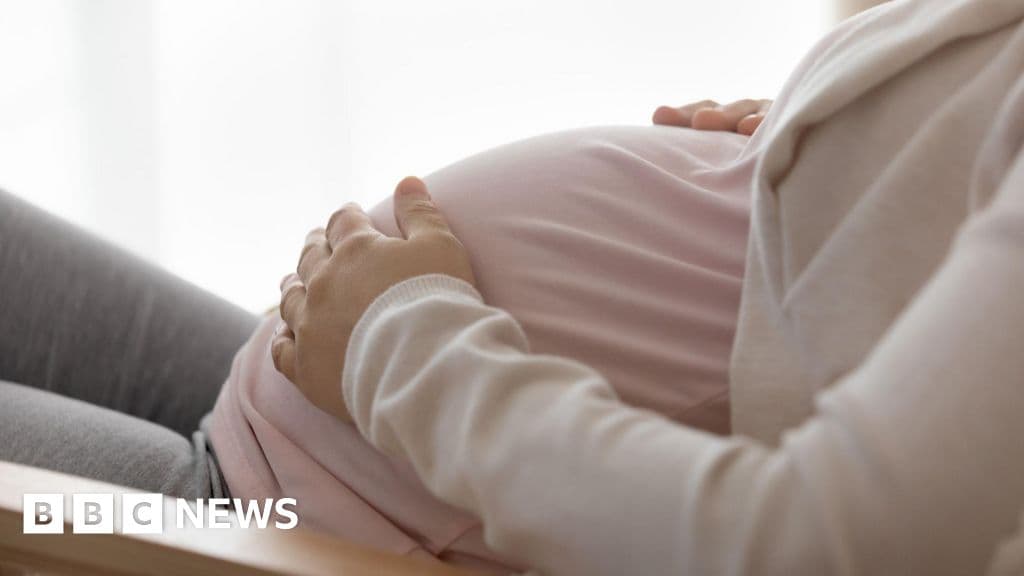
Shocking findings from Nottingham's maternity unit reveal a toxic culture and alarming neglect. What can be done to improve care? Discover the details.
BBC Health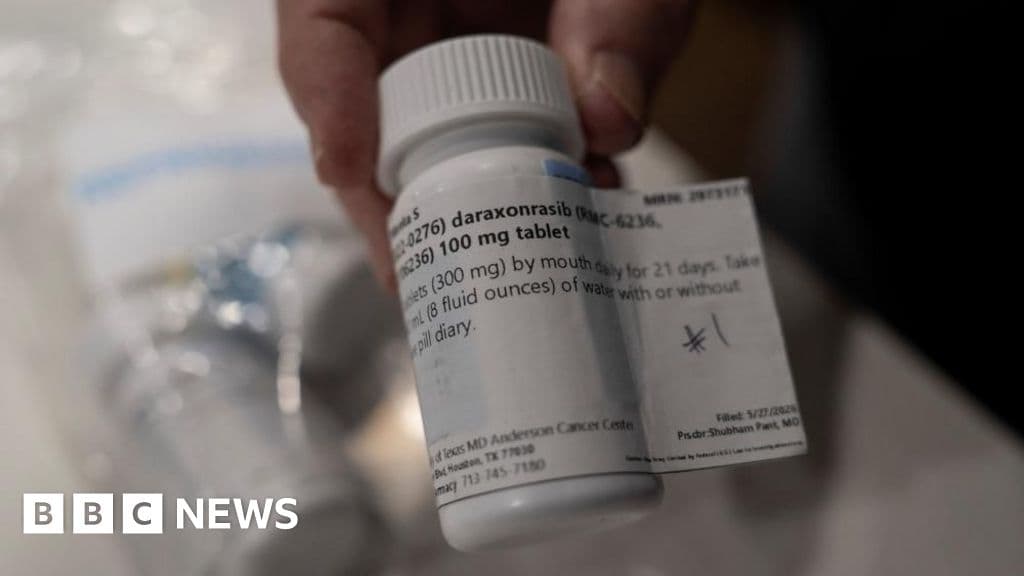
Discover how daraxonrasib, a new pill, is nearly doubling survival rates for pancreatic cancer patients, offering hope in a challenging battle against this deadly disease.
BBC Health
Waste companies propose a £5 deposit on vapes to encourage proper disposal and curb littering as the environmental impact of vapes increases.
BBC Business