

Image: The Hindu
Karnataka's Health Minister reveals a new strategy to reduce neonatal mortality by redeploying specialists to taluk hospitals. Discover the details.
GlipzoIn a significant move aimed at tackling the issue of neonatal mortality in Karnataka, Health Minister Dinesh Gundu Rao announced the strategic redeployment of specialist doctors from community health centres (CHCs) to taluk hospitals. This decision was revealed during a recent assembly session in Bengaluru on March 17, 2026. The transition is aimed at enhancing healthcare access in regions with limited medical resources, particularly for newborns.
The Minister's remarks came in response to an audit that highlighted deficiencies in neonatal care across various regions in the state. Gundu Rao emphasized that the transfer of gynaecologists and anaesthetists from rural CHCs—where delivery rates are low—was a calculated effort to bolster the medical workforce in taluk hospitals, which often grapple with higher demand for specialized care. He reassured the assembly that this strategy would not compromise the healthcare services available to rural populations.
During the assembly debate, Minister Rao addressed concerns raised by opposition members. Critics feared that moving specialists from CHCs could jeopardize rural healthcare services. However, Rao pointed out that the government had put measures in place to ensure that primary health centres (PHCs) would still be adequately staffed, as two MBBS-qualified doctors would be appointed to replace each specialist moved to the taluk hospitals.
“Our goal is to ensure that every taluk hospital is equipped with the necessary specialists. Each facility will now have round-the-clock access to at least two gynaecologists, two anaesthetists, two paediatricians, and a radiologist,” the Minister stated. This comprehensive approach aims not only to improve neonatal care but also to elevate the overall standards of healthcare in these hospitals to match those of district hospitals.
The urgency of this initiative is underscored by the statistics surrounding neonatal mortality in Karnataka. The neonatal mortality rate (NMR), which was recorded at 62 in the 2022-23 fiscal year, has shown a commendable decline: dropping to 59 in 2023-24, 57 in 2024-25, and currently at 48 in the ongoing year. The state's government has set an ambitious target of further reducing this figure to 38 by 2028.
This downward trend in neonatal mortality reflects a commitment to improving maternal and infant health outcomes, a goal that has been echoed by health experts and community leaders alike. By ensuring that specialists are available where they are most needed, Karnataka aims to make significant strides towards achieving this objective.
Minister Gundu Rao also defended the government's efforts in expanding healthcare infrastructure, countering allegations that rural health needs were being neglected. He highlighted that, according to existing norms, a primary health centre should cater to a population of 20,000 to 30,000. In light of this, the statistics were compelling: 97 PHCs in Karnataka serve populations of approximately 5,000. Moreover, 372 PHCs are responsible for populations ranging from 5,000 to 10,000, indicating that many health centres are operating well below capacity.
This juxtaposition of PHC populations against the norms demonstrates the government's commitment to increasing healthcare access in rural areas, even amidst criticism.
Despite Minister Rao's assurances, the opposition members expressed dissatisfaction with the government's plan, leading to a walkout during the assembly session. This move highlights the ongoing tension between the ruling party and opposition leaders regarding healthcare strategies in Karnataka.
Looking ahead, the focus will remain on monitoring the impact of these changes on neonatal mortality rates and overall healthcare quality in rural areas. The government's commitment to reducing NMR will be scrutinized, and stakeholders will be keenly observing the effectiveness of the redeployment strategy. Future initiatives may also involve further investments in healthcare infrastructure and training to ensure that both urban and rural populations receive adequate medical attention.
As Karnataka continues to navigate these challenges, the health department's ability to adapt and respond to the needs of its citizens will be critical. The next steps will involve not only measuring the outcomes of these recent policy changes but also engaging with local communities to ensure that their healthcare needs are addressed comprehensively.
By investing in the right resources and fostering collaboration between healthcare providers, Karnataka aims to set a precedent for improving maternal and child health across India. The outcome of these strategies will have far-reaching implications for the state's healthcare landscape and the wellbeing of its population.

Shocking findings from Nottingham's maternity unit reveal a toxic culture and alarming neglect. What can be done to improve care? Discover the details.
BBC Health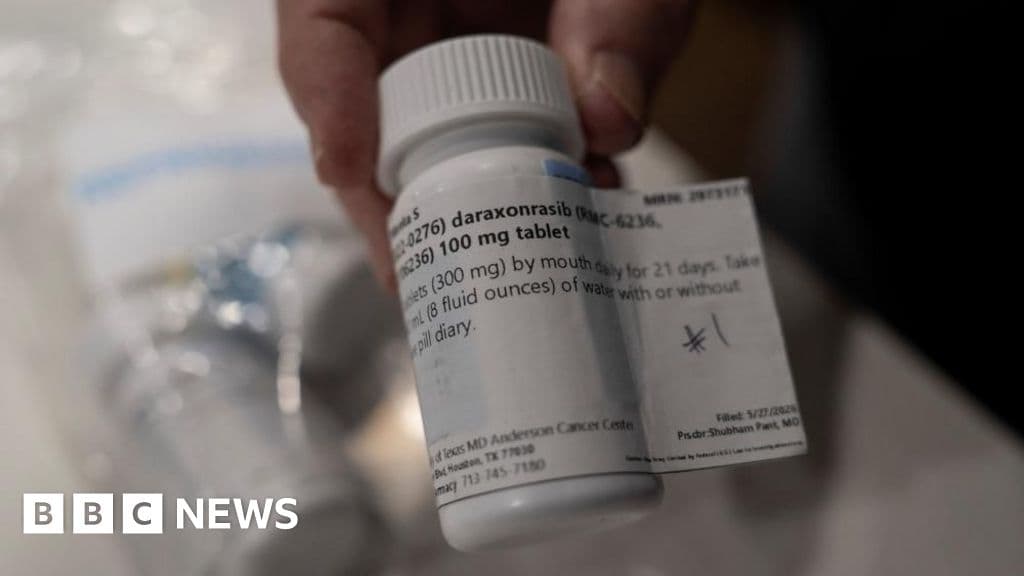
Discover how daraxonrasib, a new pill, is nearly doubling survival rates for pancreatic cancer patients, offering hope in a challenging battle against this deadly disease.
BBC Health
Waste companies propose a £5 deposit on vapes to encourage proper disposal and curb littering as the environmental impact of vapes increases.
BBC Business