
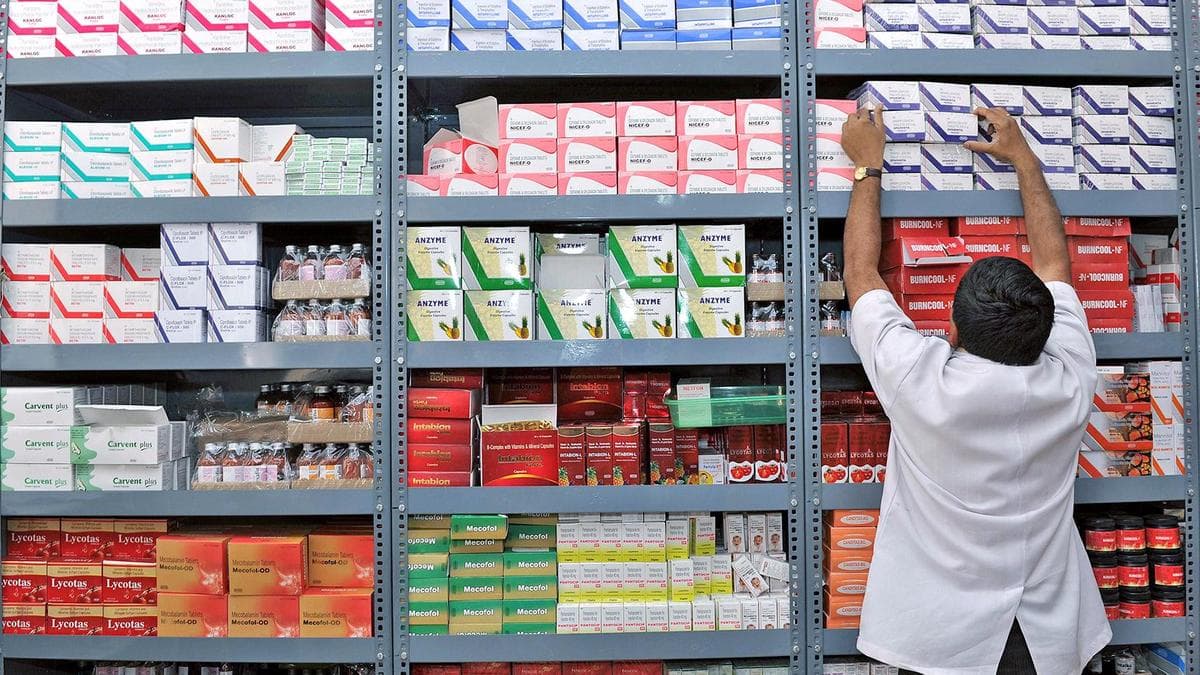
Image: The Hindu
Karnataka's Health Minister addresses drug supply issues at primary health centres, assuring no shortage at hospitals and detailing procurement reforms.
GlipzoOn March 17, 2026, Karnataka's Health and Family Welfare Minister Dinesh Gundu Rao revealed ongoing efforts to resolve drug supply issues at the state's primary health centres (PHCs). While acknowledging these challenges, he assured that there is no shortage of medications at state-run hospitals situated at the district and taluk levels. This statement was made during a session in the Legislative Council, highlighting the government's commitment to improving healthcare accessibility for all citizens.
Recently, the state has faced scrutiny over the availability of certain medications at PHCs, which are crucial for providing essential health services. Minister Rao emphasized that the supply of drugs is being streamlined to ensure that all healthcare facilities receive what they need without delay. "We have made substantial progress, and our citizens can rest assured that their health needs are being prioritized," he stated.
In his address, Rao provided specific details about the drug procurement process. Out of the 890 drugs designated for supply, 534 will be procured via bidding, with purchase orders already issued for 232 drugs. Additionally, another 356 drugs will be sourced locally to enhance availability at health facilities.
To facilitate this transition, state hospitals have been encouraged to procure medications locally, supported by the allocation of ₹20 crore for purchases under the AB-ARK initiative. Over the past two months, drugs worth ₹270 crore have already been supplied to hospitals, reinforcing the government’s commitment to maintaining adequate medication stock.
Despite the proactive measures, Dinesh Gundu Rao admitted that some challenges persist specifically within primary health centres. He assured the council that while there may be hiccups in the supply chain, taluk and district hospitals are well-stocked with essential drugs. This distinction underscores a targeted approach to tackle the issues at PHCs, which serve as the frontline for healthcare delivery in rural and underserved areas.
The Minister elaborated on the reforms in the procurement process, stating that officials are actively visiting pharmaceutical production sites to assess their capacity to fulfill demand. A notable change includes the introduction of a new tendering process that has removed the previous clause requiring bidders to demonstrate past performance, allowing new entrants into the market.
Rao highlighted a crucial aspect of the drug procurement framework: a one-month quarantine period for newly procured medications. This period is designed to ensure that all drugs undergo rigorous quality testing before being distributed to hospitals. "Quality is non-negotiable, and this step is vital to ensuring that our healthcare system operates at the highest standards," he explained.
As the department implements these reforms, Rao emphasized that the goal is to achieve a seamless supply of quality medications across all healthcare facilities in Karnataka. He reassured the public that every effort is being made to minimize disruption during this transition phase, despite the potential for temporary challenges.
The announcements made by Dinesh Gundu Rao signify a critical period of transformation within Karnataka's healthcare system. As the state grapples with the complexities of drug procurement and distribution, the focus remains on enhancing the efficiency of services at PHCs. The reforms not only aim to improve drug availability but also seek to elevate the standards of care provided to citizens.
Looking ahead, stakeholders and citizens alike should monitor the progress of these reforms and the impacts they may have on healthcare delivery. With the government actively working to resolve supply issues and implement a more robust procurement system, the future of healthcare in Karnataka appears poised for significant improvement. Continued updates from the Health Minister and his team will be essential in gauging the success of these initiatives and ensuring that all healthcare facilities are well-equipped to meet the needs of the population.
The challenges faced by primary health centres in Karnataka reflect broader issues of healthcare accessibility in India. Ensuring that all citizens have access to necessary medications is crucial not only for individual health outcomes but also for public health as a whole. By addressing these supply issues head-on, the state government is taking vital steps toward enhancing the overall quality of healthcare services and safeguarding the health of its population.

Shocking findings from Nottingham's maternity unit reveal a toxic culture and alarming neglect. What can be done to improve care? Discover the details.
BBC Health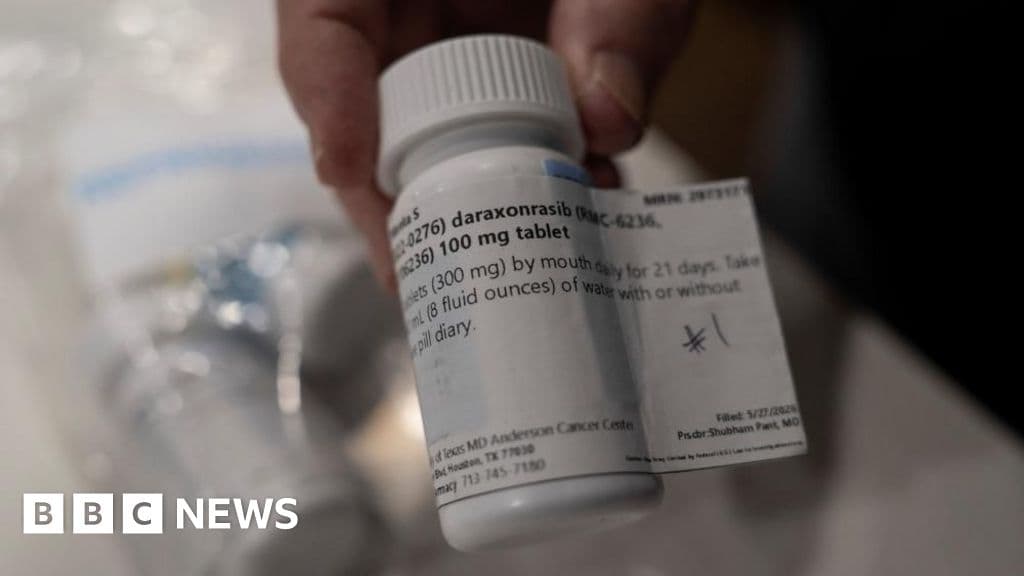
Discover how daraxonrasib, a new pill, is nearly doubling survival rates for pancreatic cancer patients, offering hope in a challenging battle against this deadly disease.
BBC Health
Waste companies propose a £5 deposit on vapes to encourage proper disposal and curb littering as the environmental impact of vapes increases.
BBC Business