
Image: BBC World
A U.S. judge halts Trump's White House ballroom project, citing lack of Congressional approval. What's next for this controversial construction?
GlipzoIn a significant legal development, a U.S. District Judge has put a temporary stop to the construction of a ballroom at the White House, a project proposed by former President Donald Trump. This ruling, issued on Tuesday, follows a lawsuit from the National Trust for Historic Preservation, which argued that the Trump administration failed to adhere to necessary legal procedures before commencing construction.
Judge Richard Leon issued a strong statement in his ruling, emphasizing that until Congress provides the necessary authorization, all construction must cease. "(U)nless and until Congress blesses this project through statutory authorization, construction has to stop!" he declared, making it clear that the President does not possess unilateral authority over such significant alterations to the White House.
The ballroom project has been a point of contention, with Trump asserting that the existing facilities are inadequate for hosting high-profile visitors, including King Charles III, who is scheduled to visit Washington next month. According to Trump, the new ballroom is expected to enhance the nation's ability to host dignitaries.
The preservation group's lawsuit contends that the Trump administration violated regulations by initiating construction without the required approvals from the National Capital Planning Commission and without conducting an environmental assessment. Additionally, they argue that the initiative breaches the Constitution, which reserves property rights and regulations for Congress.
In his 35-page ruling, Judge Leon stated: "I have concluded that the National Trust is likely to succeed on the merits because no statute comes close to giving the President the authority he claims to have." He elaborated that the President serves as a steward of the White House, entrusted with its care for future generations, but does not own it outright, thus requiring legislative approval for significant changes.
The halt order will take effect in 14 days, allowing time for Trump's administration to appeal the decision. In response to the ruling, Trump has expressed his intention to contest the judge's conclusions vigorously. He maintains that Congress's approval is not necessary for the ballroom's construction, a claim that contradicts the court’s findings.
Originally intended to be a relatively modest ballroom, the project has evolved dramatically. What began as a venue accommodating 500 guests has now expanded to an impressive capacity of 1,350 guests. The administration claims the construction will cost approximately $400 million, funded entirely through private donations, thus asserting it places no financial burden on taxpayers.
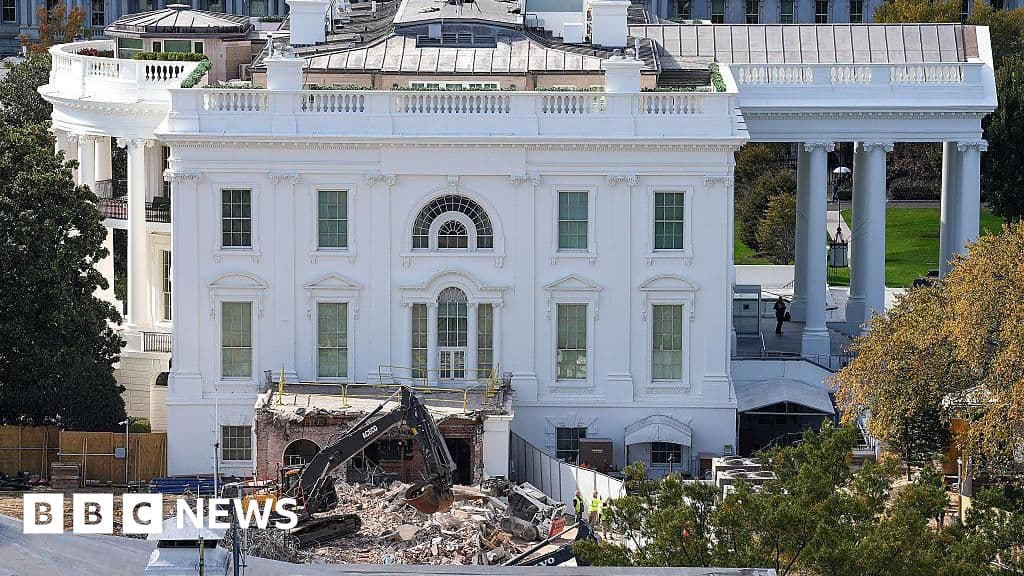
The East Wing, which was demolished in October, made way for this ambitious project. The Trump administration has argued that this new ballroom will serve a vital function, eclipsing the option of renovating the existing East Wing, which they deemed less cost-effective.
Following the judge's ruling, Carol Quillen, president of the National Trust, expressed satisfaction with the outcome, stating, "We are pleased with Judge Leon's ruling today to order a halt to any further ballroom construction until the Administration complies with the law and obtains express authorization to go forward. This is a win for the American people on a project that forever impacts one of the most beloved and iconic places in our nation."
The National Trust for Historic Preservation's role is crucial as it aims to safeguard historic sites, ensuring their integrity for future generations. Its involvement in this lawsuit highlights the ongoing tension between development and preservation within Washington, D.C.
In a post on his Truth Social account, Trump expressed frustration over the lawsuit filed by the National Trust, describing the ballroom project as under budget and ahead of schedule. He criticized the organization for interfering with his renovation plans for the Kennedy Center, which he recently renamed in his honor.
"All I am doing is fixing, cleaning, running, and 'sprucing up' a terribly maintained, for many years, Building," he wrote, defending his administration's actions.
In a subsequent interaction with reporters, Trump reiterated his commitment to appealing the ruling. He emphasized the importance of the ballroom for hosting dignitaries like King Charles III, highlighting concerns over the practicality of using a temporary tent in potentially wet conditions. "We don't want him to sit in a pool of water," he remarked, underscoring the significance he places on the upcoming royal visit.
As the legal battle unfolds, several key factors will influence the future of the White House ballroom project. The Trump administration's appeal will determine whether construction can resume or if the legal requirements set forth by the court will necessitate significant changes to the project plan.
Moreover, the implications of this ruling extend beyond the ballroom itself, serving as a reminder of the complexities surrounding property rights and preservation laws in the United States. This case may set a precedent for future presidential projects involving historic sites, prompting a closer examination of the balance between modernization and the preservation of national heritage.
As the situation develops, all eyes will be on the Trump administration's next moves and the potential outcomes of the appeal. Will the administration find a way to proceed with the ambitious ballroom project, or will preservation laws curtail their plans? The coming weeks promise to be critical in determining the fate of this controversial construction.

Tensions soar as the US and Iran engage in air strikes near the Strait of Hormuz, raising concerns over global oil supply and regional stability.
BBC World
Trump's international interventions face serious stalemates. What will this mean for U.S. foreign policy? Explore the critical challenges ahead.
Indian Express
Tehran denies resignation of President Masoud Pezeshkian amid claims of IRGC influence. What does this mean for Iran's political stability? Click to learn more!
Indian Express