
Image: BBC Business
Japan pledges $10 billion to support Asian countries amid oil crisis. Discover how this initiative impacts energy security in Southeast Asia.
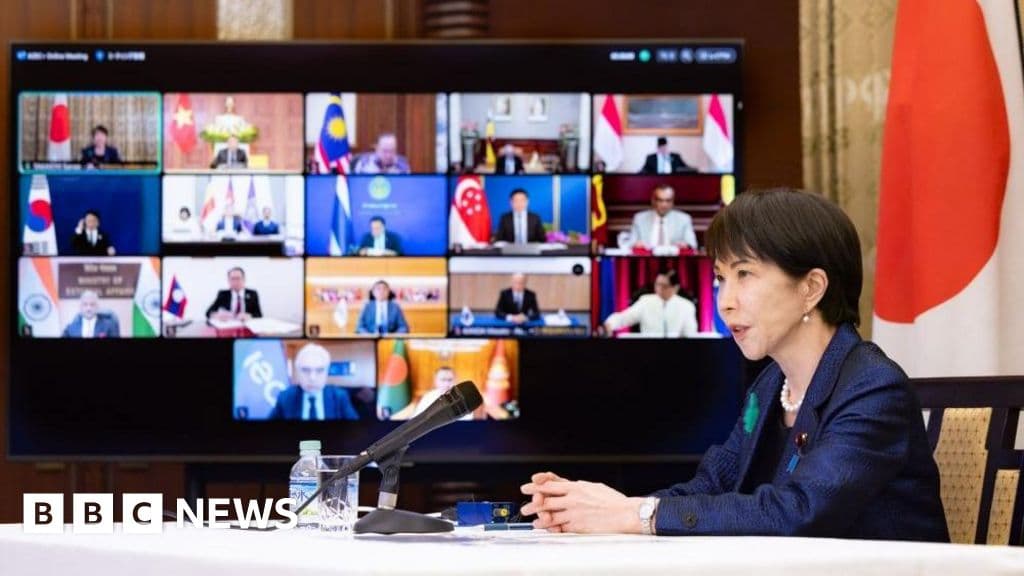
GlipzoJapan has made a significant pledge of $10 billion to assist its Asian neighbors, particularly in Southeast Asia, in securing vital energy resources as the region feels the impact of disruptions linked to the ongoing Iran war. This announcement was made by Japanese Prime Minister Sanae Takaichi during a virtual summit with leaders from various Asian nations on Wednesday.
The importance of this financial boost cannot be overstated. Japan heavily relies on Southeast Asia for essential petroleum products, including those crucial for the manufacturing of medical equipment. Takaichi highlighted this interdependence, emphasizing that “Japan is closely interconnected with each Asian country through supply chains and mutually dependent with them.” This relationship underscores the urgency behind Japan’s initiative to enhance energy security across the region.
The new cooperation framework introduced by Japan aims to facilitate the procurement of crude oil and petroleum products for Asian countries, ensuring the maintenance of supply chains and bolstering stockpiles. This approach comes at a critical time when 90% of oil and gas transported through the Strait of Hormuz is destined for Asian markets, making the region particularly vulnerable to energy supply disruptions.
According to Japan's foreign ministry, the $10 billion commitment is comparable to a full year’s crude oil imports for the Association of Southeast Asian Nations (ASEAN) member states. The funding for this initiative will come from various state-backed institutions, including: - Japan Bank for International Cooperation - Nippon Export and Investment Insurance - Japan International Cooperation Agency - Asian Development Bank
Takaichi assured that this initiative would not adversely affect Japan’s domestic oil supplies, which currently have reserves sufficient for 254 days of consumption. However, the global energy crisis has prompted Japan to utilize these reserves, with a record release of 50 days’ worth of oil last month and plans for an additional 20 days in early May.
Amid these developments, concerns about potential shortages of naphtha—a key petrochemical derived from crude oil—are looming large in Japan. Naphtha is crucial for the production of essential medical supplies, including syringes, gloves, and dialysis equipment. Despite Takaichi’s assurances that there will be no immediate disruptions, anxiety persists regarding the potential impact on Japan’s healthcare system, which is already facing challenges due to an aging population.
Southeast Asian nations are also grappling with the repercussions of soaring oil prices. In response, governments across the region have initiated measures to conserve energy, such as encouraging carpooling and reducing air conditioning usage. The Philippines has even declared a national energy emergency to address these pressing issues.
At the same summit where Japan announced its financial aid, Philippine President Ferdinand Marcos Jr. called on ASEAN nations to activate a fuel-sharing pact. He emphasized that “No single country in Asia can insulate itself from supply chain shocks of this scale by acting alone.” This statement reflects the shared sentiment among leaders about the necessity for regional cooperation in navigating the current energy crisis.
In summary, Japan’s generous $10 billion commitment is a proactive step toward reinforcing energy security in Southeast Asia during these challenging times. This initiative not only aims to stabilize oil supply chains but also serves to strengthen the economic ties between Japan and its Asian neighbors. With the ongoing geopolitical tensions and their potential impact on energy supplies, collaborative efforts will be vital to ensure sustainable solutions for all involved.
As Japan embarks on this ambitious energy cooperation project, the focus will be on how quickly and effectively these funds can be mobilized to address the pressing needs of Southeast Asian nations. Key factors to watch include: - The response from ASEAN countries to Japan’s funding and framework. - The effectiveness of energy conservation measures implemented by individual nations. - Continued monitoring of global oil prices and geopolitical developments that could further impact energy supply chains.
In this evolving landscape, Japan's role as a regional leader in energy security will be crucial in shaping the future stability of Southeast Asia's energy market.
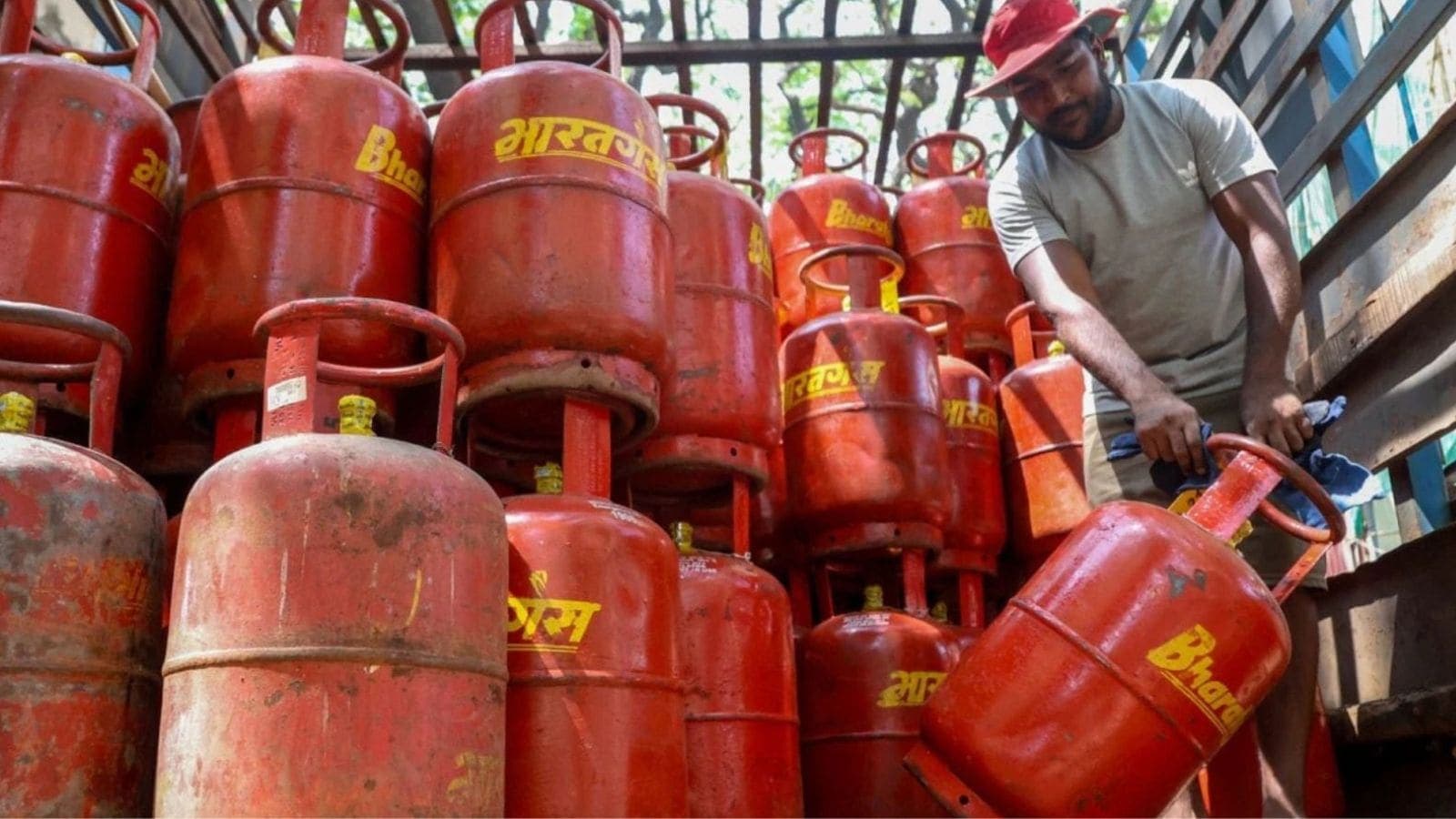
Commercial LPG prices have risen again, with increases of ₹42 in Delhi and ₹53.50 in Kolkata impacting businesses and consumers alike. Find out more.
Indian Express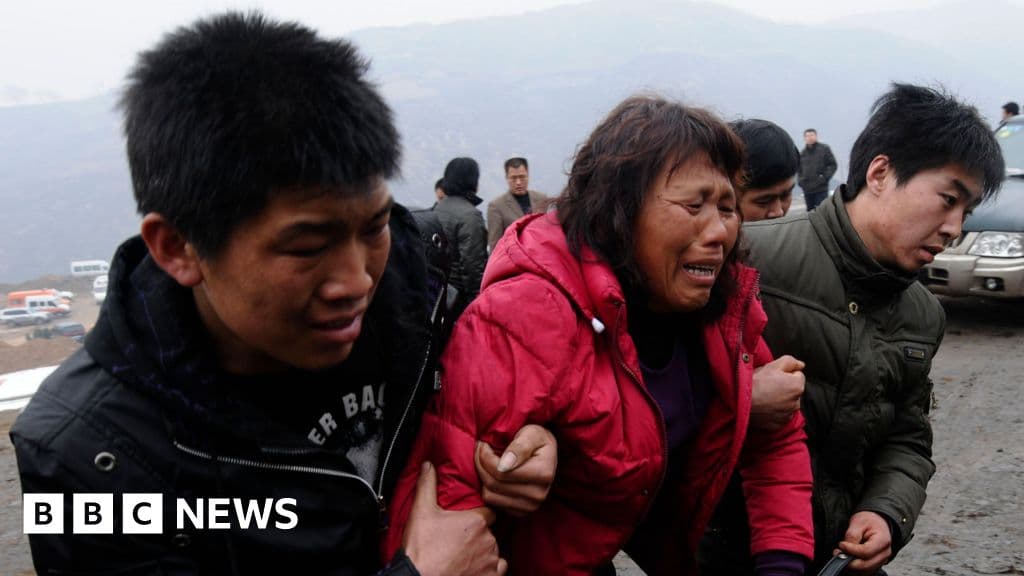
Discover how a tragic coal mine explosion in Shanxi, China, reveals ongoing safety concerns in the industry amidst a push for green energy.
BBC Business
Montek Singh Ahluwalia highlights key economic challenges for India, emphasizing the need for a strategic approach to balance payments and investment.
Indian Express