
Image: BBC World
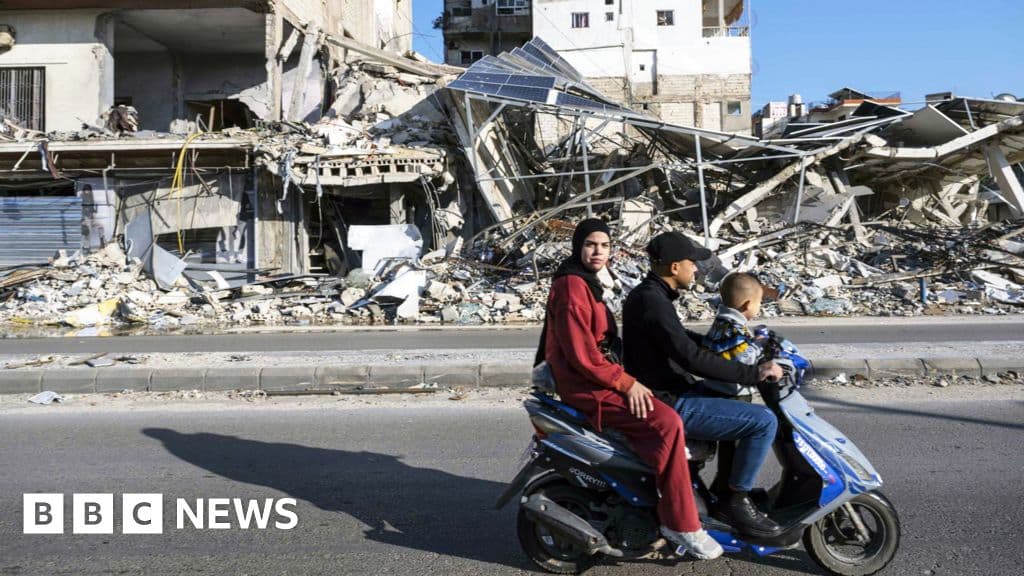
Israel plans to control southern Lebanon amid escalating tensions with Hezbollah. Discover the implications of this major military strategy.
GlipzoIn a bold statement, Israeli Defense Minister Israel Katz announced plans for Israeli troops to establish control over a significant area in southern Lebanon as part of an intensified operation against Hezbollah. This announcement comes in the wake of recent escalations in conflict, marking a crucial shift in the region’s geopolitical landscape.
The Israeli government has decided to implement a security zone in southern Lebanon, which is approximately 30 kilometers (19 miles) from the Lebanon-Israel border. Katz revealed that five bridges on the Litani River—allegedly utilized by Hezbollah for transporting weapons and militants—have already been destroyed. This move underscores Israel's determination to safeguard its northern territories from potential Hezbollah attacks.
This latest escalation follows a series of retaliatory rocket strikes from Iranian-backed Hezbollah targeting northern Israel. The conflict reignited after the October 7, 2023, attacks by Hamas, which prompted immediate and robust Israeli military responses. According to the Lebanese health ministry, the ongoing hostilities have resulted in a staggering 1,072 fatalities in Lebanon, including 121 children and 42 healthcare workers.
The humanitarian crisis has reached alarming levels, with over one million individuals displaced across Lebanon. The situation has prompted international concern, as many fear that the conflict could destabilize the region further.
Israeli officials assert that the primary objective of this military operation is to secure the communities in northern Israel, which have been under constant threat from Hezbollah. In the aftermath of the 2024 ceasefire, residents had cautiously returned to their towns, having been absent for nearly 18 months due to previous rocket attacks. The thought of being forced to evacuate again is a significant concern for both the local population and the Israeli government, especially given the weakened state of Hezbollah.
Katz emphasized the importance of creating a defensive buffer to keep the threat of Hezbollah at bay. Drawing comparisons to previous military strategies in Rafah and Beit Hanoun, he stated that the Israel Defense Forces (IDF) are now advancing into Lebanese territory. The goal is not only to eliminate Hezbollah fighters but also to dismantle the infrastructure that has been established in the area, which includes civilian structures allegedly used by the group.
Historically, southern Lebanon has been a stronghold for Hezbollah, primarily composed of the country’s Shia Muslim community, while also housing other religious groups, including Christians. The ceasefire agreement that concluded the 2006 Lebanon War mandated Hezbollah's disarmament and withdrawal from southern Lebanon, a process that was to be overseen by the Lebanese government and military. However, this disarmament has been only partially realized, and Israel has maintained its military presence in the area, regularly targeting what it claims are Hezbollah positions.
The Lebanese government has struggled to exert control over Hezbollah, raising concerns about the potential for renewed civil conflict. Katz has criticized the Lebanese government for its inaction, asserting that Israel is compelled to act in the absence of effective governance.
Lebanon's President Joseph Aoun has condemned Israel's planned military actions as a form of collective punishment against civilians. The creation of a so-called defensive buffer zone echoes Israel's historical precedents, specifically the buffer zone established in 1985, which remained until 2000. Public sentiment in Israel turned against this strategy following the high casualty rates among soldiers, leading to its eventual dissolution.
Currently, Hezbollah has vowed to resist any Israeli encroachment into southern Lebanon, signaling a potential escalation in violence. The situation remains perilously tense, with implications that could resonate throughout the region.
As Israel moves forward with its plans to secure southern Lebanon, the situation is fraught with uncertainty. Observers should be mindful of the following: - Increased Military Engagement: As tensions rise, the likelihood of further military engagements between Israel and Hezbollah may increase, leading to more casualties and displacement. - Humanitarian Crisis: The already dire humanitarian conditions in Lebanon could worsen, with more people displaced and critical infrastructure under threat. - International Response: The international community's reaction to Israel's actions could influence diplomatic relations and peace efforts in the region.
In conclusion, the developments in southern Lebanon not only highlight the complexities of Israeli-Hezbollah relations but also underscore the fragility of peace in the region. As both sides prepare for potential conflict, the humanitarian implications will be profound, and the world will be watching closely.
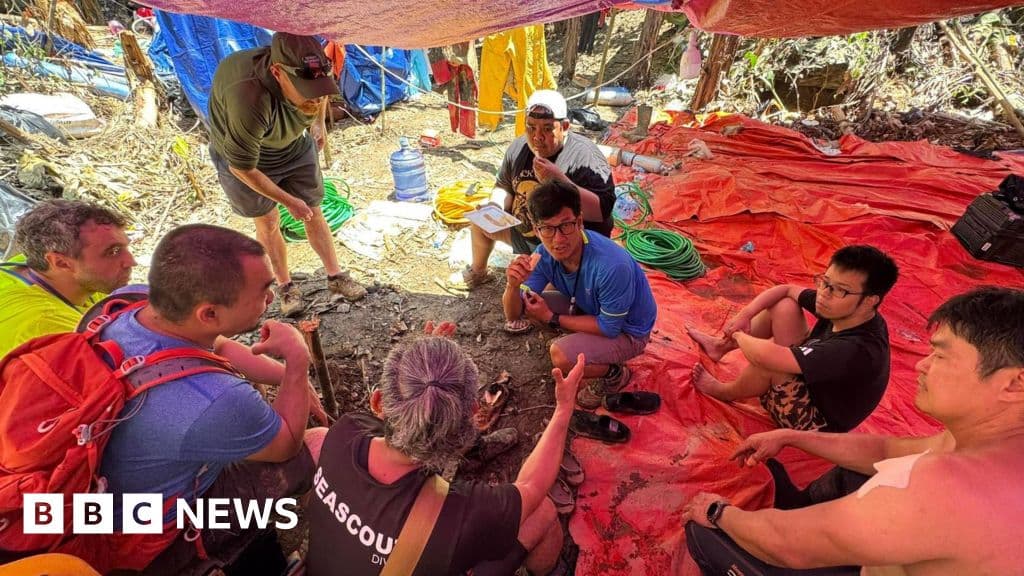
Survivors of the Laos cave rescue are aiding efforts to find the last two missing men trapped inside, sharing crucial insights for the search operation.
BBC World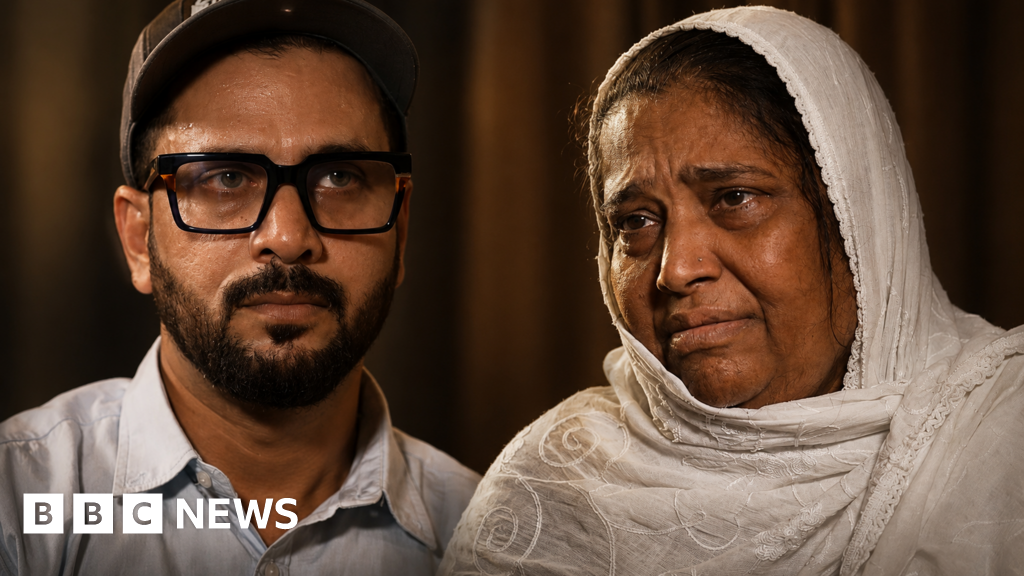
A year after the tragic Air India crash, the Ali family reflects on grief, unanswered questions, and the enduring bonds of love in the face of loss.
BBC Business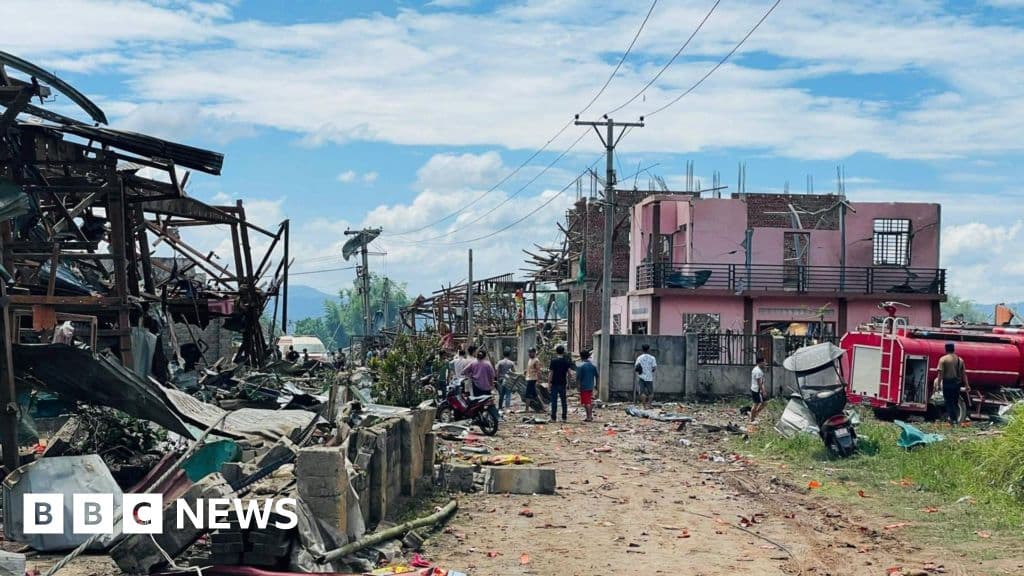
A devastating explosion in Myanmar's Kaung Tat village has killed at least 55 people, raising serious safety concerns and questions about civilian protection in conflict zones.
BBC World