
Image: Mint (Business)
Iran's missile strikes on US bases caused $800 million in damages in just two weeks, raising tensions and military costs in the ongoing Middle East conflict.
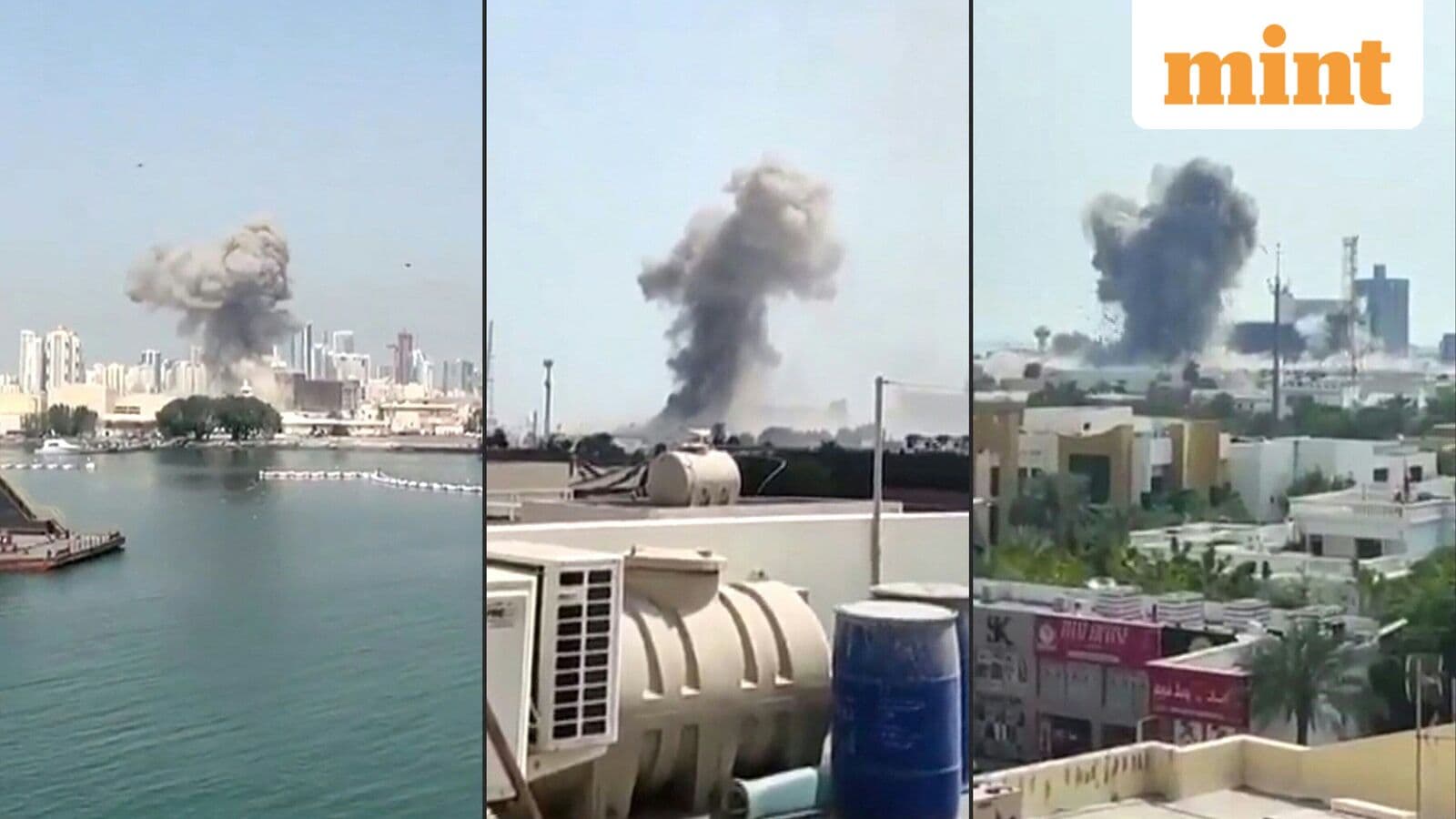
GlipzoThe ongoing conflict in the Middle East, which ignited on February 28, has escalated tensions between the United States and Iran. As hostilities continue, both nations have ramped up their military operations, resulting in significant damage to infrastructure and personnel losses. According to a recent analysis from the Center for Strategic and International Studies (CSIS) and the BBC, Iran's missile and drone strikes against US military bases have led to an astounding $800 million in damages within just the first two weeks of the conflict.
This report highlights how Iran's military strategy has targeted vital assets, including air-defense systems and satellite communication capabilities across various locations in the Middle East. The ramifications of this ongoing conflict extend beyond immediate military losses, affecting geopolitical stability and international oil prices.
Iran’s attacks have concentrated on US military installations in countries like Jordan, the United Arab Emirates, and other strategic locations. Notably, the damage primarily resulted from a precision strike on a US radar system associated with the Thaad missile defense system located at a Jordanian airbase. This particular radar, the AN/TPY-2, has an estimated value of $485 million, marking it as one of the most expensive losses in recent military history.
In addition to the radar system, the estimated $310 million in damages includes destruction to buildings and other critical infrastructure at bases used by US forces. Analysis of satellite imagery by BBC Verify confirms that Iran has repeatedly targeted at least three major airbases, including: - Ali Al-Salim Base in Kuwait - Al-Udeid Base in Qatar - Prince Sultan Base in Saudi Arabia
These findings suggest a calculated approach by Iran to undermine US military capabilities in the region significantly.
The financial impact of the conflict on the US military has been staggering. In just the first six days, the conflict incurred costs of $11.3 billion, escalating to $16.5 billion within the initial twelve days, as indicated by defense officials. The Pentagon now seeks an additional $200 billion in war funding to cover ongoing military expenditures.
Adding to the urgency of the situation, the US has reported the loss of 13 military personnel since the conflict commenced. These figures emphasize the high human and financial toll of the conflict, raising questions about the sustainability of prolonged military engagement.
In light of these developments, Defense Secretary Pete Hegseth remarked on the necessity of funding, stating, "It takes money to kill bad guys." This emphasis on financial resources highlights the broader implications of military funding and strategy in the context of international conflicts.
Meanwhile, Mark Cancian, a CSIS senior adviser and co-author of the report, emphasized that the extent of damage to US bases may be underreported, indicating that the full financial impact will only be realized once additional data becomes available.
As the situation unfolds, diplomatic efforts are also in play. Former President Donald Trump issued a stern warning to Iran, demanding that they reopen the Strait of Hormuz within 48 hours or face US military action against their power plants. This statement reflects the critical nature of the strait, a vital passage for global oil shipments, and the potential for further escalation if tensions are not diffused.
Iran has responded assertively, warning that any attacks on its energy facilities would lead to retaliation targeting US and Israeli infrastructure essential for energy, information technology, and water desalination across the region. Reports from Iranian state media emphasize the gravity of this threat, indicating a potential for widespread regional instability.
The ramifications of this conflict extend well beyond military damage. The financial burdens faced by the US military could lead to significant shifts in defense spending priorities and affect domestic policy decisions. Moreover, the ongoing conflict threatens to destabilize the already fragile geopolitical landscape in the Middle East, potentially impacting global oil prices and supply chains.
As the situation continues to evolve, stakeholders must monitor responses from both Iranian and US officials, as well as any shifts in public opinion regarding military engagement. These developments will likely shape future foreign policy directions and military strategies in the region.
Looking to the future, several key factors will likely influence the trajectory of this conflict: - Continued Military Engagement: Will the US increase its military presence in the region in response to Iran's strikes? - Diplomatic Efforts: What steps will international leaders take to mediate the conflict and restore stability? - Economic Impact: How will rising military costs affect the US economy and public sentiment toward military spending?
As we observe these unfolding events, it is clear that the conflict will have lasting implications not only for the countries directly involved but also for global economic and political dynamics.

Tensions soar as the US and Iran engage in air strikes near the Strait of Hormuz, raising concerns over global oil supply and regional stability.
BBC World
Trump's international interventions face serious stalemates. What will this mean for U.S. foreign policy? Explore the critical challenges ahead.
Indian Express
Tehran denies resignation of President Masoud Pezeshkian amid claims of IRGC influence. What does this mean for Iran's political stability? Click to learn more!
Indian Express