
Image: Mint (Business)
Iran boldly dismisses Trump's 48-hour ultimatum, warning of dire consequences. Rising tensions impact global oil prices and US public sentiment.
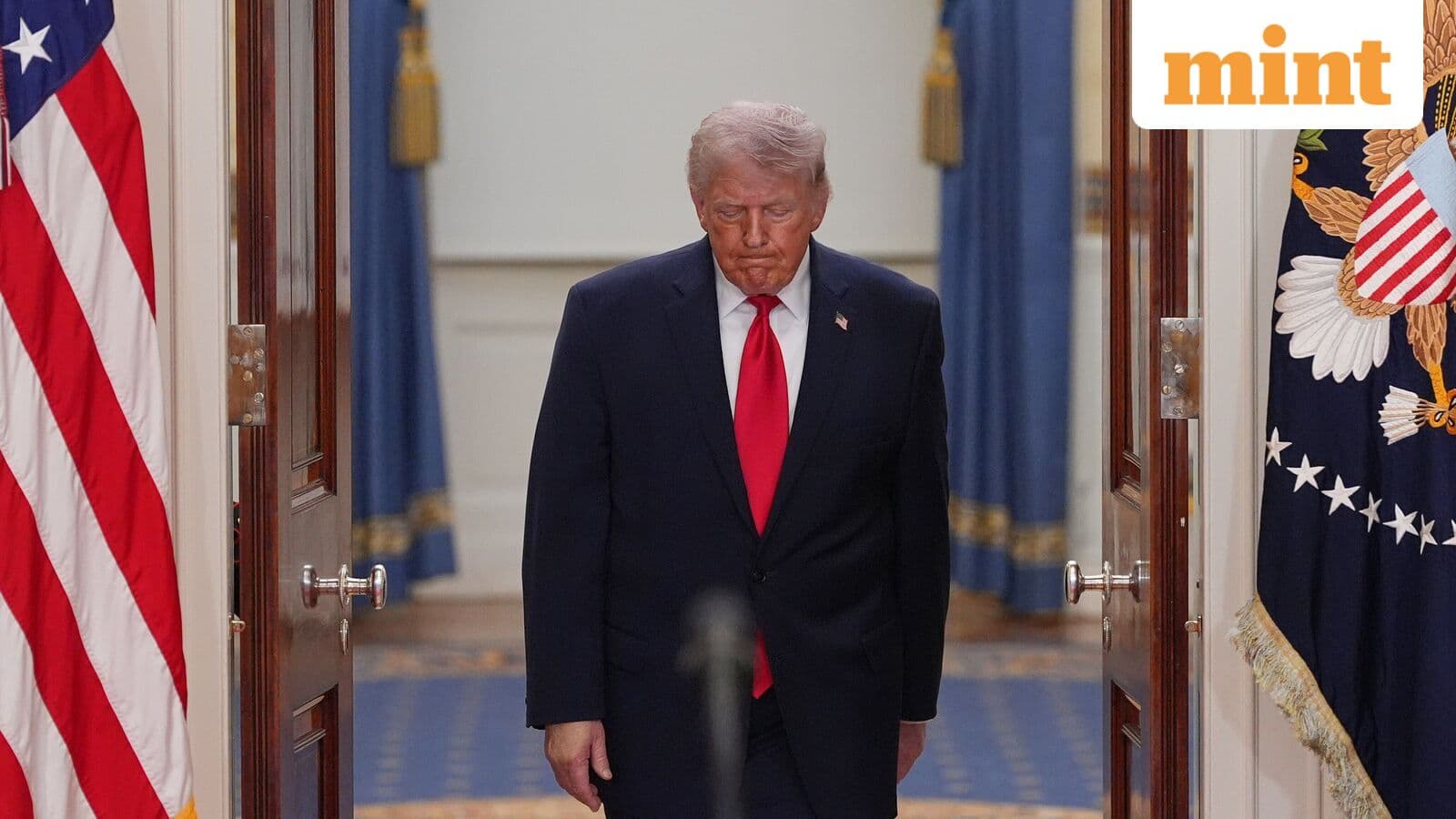
GlipzoIn a heated exchange over escalating tensions, Iran has defiantly dismissed a 48-hour ultimatum issued by Donald Trump as nothing more than a display of helplessness and nervousness. The confrontation intensified late Saturday as Trump threatened to unleash "all hell" if Iran did not agree to a deal or reopen the Strait of Hormuz. This ultimatum came amidst rising global oil prices and significant geopolitical tensions in the region.
Trump took to his Truth Social platform to announce his ultimatum, stating, "Remember when I gave Iran ten days to MAKE A DEAL or OPEN UP THE HORMUZ STRAIT. Time is running out - 48 hours before all Hell will reign down on them. Glory be to GOD!" The provocative post drew sharp criticism from Iranian officials, who quickly retaliated with strong rhetoric.
General Ali Abdollahi Aliabadi, the commander of the Khatam-al Anbiya Central Headquarters, was particularly vocal in his response, labeling Trump's ultimatum as a "stupid action" that illustrated the unbalanced nature of his approach. He further echoed Trump's words by stating, "the simple meaning of this message is that the gates of hell will open for you". This exchange underscores the combative relationship between the two nations, with both sides seemingly escalating their rhetoric rather than seeking diplomacy.
This confrontation follows a previously issued 10-day ultimatum from Trump that had been extended to allow for negotiations. On March 26, Trump even stated that he would pause military strikes on Iranian infrastructure until April 6, 2026, citing "good and productive talks" with Iran—claims that Tehran has categorically rejected.
As tensions rise, so do global oil prices, with Brent crude surging to $109 a barrel over the weekend. This increase has significant implications, especially as gas prices in the United States have climbed to an average of $4.10 per gallon, marking a 12-cent increase from the previous week. The rising costs at the pump have been fueled by the ongoing conflict, which began when the US and Israeli forces launched strikes against Iranian targets on February 28.
With 20% of the world's oil passing through the Strait of Hormuz, the stakes are incredibly high. Despite Trump's assurances that the price hike would be temporary, the Strait remains largely closed, with Iran restricting transit to select nations only.
Public sentiment in the United States regarding the military actions against Iran is increasingly negative. A March 24 poll by Reuters revealed that 61% of Americans disapprove of the military strikes, while only 35% support them. Furthermore, Trump's approval rating has plummeted to 36%, reflecting growing public discontent as the country heads into crucial midterm elections later this year.
This tension not only highlights the complexities of US-Iran relations but also underscores the potential for domestic political fallout as voters react to rising gas prices and military engagement abroad.
The escalating war of words between the United States and Iran signals a precarious situation that could lead to further military engagements if diplomatic solutions are not pursued. As oil prices continue to soar and public sentiment grows increasingly negative, both governments face mounting pressure to either de-escalate or double down on their respective positions.
Looking ahead, the international community will be watching closely as the situation unfolds. The next 48 hours could prove to be pivotal for US-Iran relations, and stakeholders in the global oil market will be keenly observing any developments that may impact supply chains and pricing. How each side chooses to navigate this fraught landscape will be critical in shaping future geopolitical dynamics.

Tensions soar as the US and Iran engage in air strikes near the Strait of Hormuz, raising concerns over global oil supply and regional stability.
BBC World
Trump's international interventions face serious stalemates. What will this mean for U.S. foreign policy? Explore the critical challenges ahead.
Indian Express
Tehran denies resignation of President Masoud Pezeshkian amid claims of IRGC influence. What does this mean for Iran's political stability? Click to learn more!
Indian Express