

AI Generated
Iran warns of potential $200 oil prices amid maritime attacks, prompting the IEA's call for strategic reserve releases to stabilize the market.
GlipzoIn a striking declaration, Iranian officials have cautioned the global community to brace itself for a potential surge in oil prices, suggesting that costs could soar to $200 per barrel. This warning comes in the wake of recent attacks on merchant vessels, marking a significant escalation in maritime tensions. The attacks, which occurred on Wednesday, have raised alarms within the international community regarding the stability of oil supplies in an already turbulent market.
The International Energy Agency (IEA) responded to the rising tensions by advocating for an extensive release of strategic petroleum reserves. Their recommendation aims to mitigate the impact of what could be one of the most severe oil shocks since the 1970s oil crisis. With global markets already feeling the strain from geopolitical conflicts, the situation warrants close attention.
Oil prices have been on a volatile trajectory, largely influenced by ongoing conflicts in the Middle East and supply chain disruptions. The recent maritime attacks attributed to Iran are seen as a direct challenge to international shipping routes, raising fears of further escalation.
Key factors contributing to the current oil market instability include: - Increased military activity in the Persian Gulf region. - Heightened tensions between Iran and Western nations, particularly the United States. - Concerns over the safety of oil transportation through critical chokepoints like the Strait of Hormuz.
The ripple effects of these developments could lead to significant price fluctuations, impacting consumers and economies worldwide. As the world navigates through these uncertainties, energy analysts are closely monitoring the situation.
Should oil prices reach the projected $200 per barrel, the ramifications would be felt across various sectors. Economists warn that such a spike could trigger: - Increased fuel prices for consumers, leading to higher transportation costs. - Inflationary pressures on goods and services due to elevated shipping expenses. - A potential slowdown in global economic growth as energy costs rise.
The IEA’s proposal to release strategic reserves aims to cushion these potential impacts. By flooding the market with additional supplies, the hope is to stabilize prices and avert panic among consumers and businesses alike. However, the effectiveness of such measures remains to be seen amid escalating geopolitical tensions.
Iran's military operations targeting merchant ships are a clear sign of the country's willingness to assert its influence in the region. These actions have not only raised concerns about the safety of maritime trade but also about Iran's broader strategic intentions.
The attacks have drawn sharp criticism from several nations, emphasizing the need for a concerted international response to ensure the security of shipping lanes. Some key points of concern include: - The potential for a broader conflict in the region if hostilities escalate. - The impact on global supply chains, particularly for oil and gas exports. - The need for increased naval presence from allied nations to safeguard commercial shipping.
The situation has prompted discussions about whether the United Nations or other international bodies should intervene to mitigate rising tensions. As the world watches, the stakes have never been higher for both energy markets and geopolitical relations.
In light of these developments, various stakeholders are considering their options to respond effectively to a potential oil price crisis. Some strategic responses may include: - Governments exploring diplomatic solutions to de-escalate tensions with Iran. - Energy companies increasing production levels to offset potential supply shortages. - Countries investing in alternative energy sources to reduce reliance on oil imports.
The coming weeks will be critical in determining how effectively the global community can navigate this precarious situation. As Iran continues its military maneuvers and markets react to the uncertainty, the potential for oil prices to escalate remains a pressing concern that demands immediate attention.
The warning from Iran about the possibility of oil reaching $200 per barrel underscores the fragility of the current global energy landscape. With ongoing attacks on merchant vessels and the potential for further escalation, it is imperative for nations to remain vigilant and proactive in addressing these challenges. The recommendations from the IEA to release strategic reserves reflect an urgent need to stabilize markets and protect consumers from the adverse effects of skyrocketing oil prices. As the situation unfolds, its significance will resonate across economies, influencing energy policies and international relations for the foreseeable future.
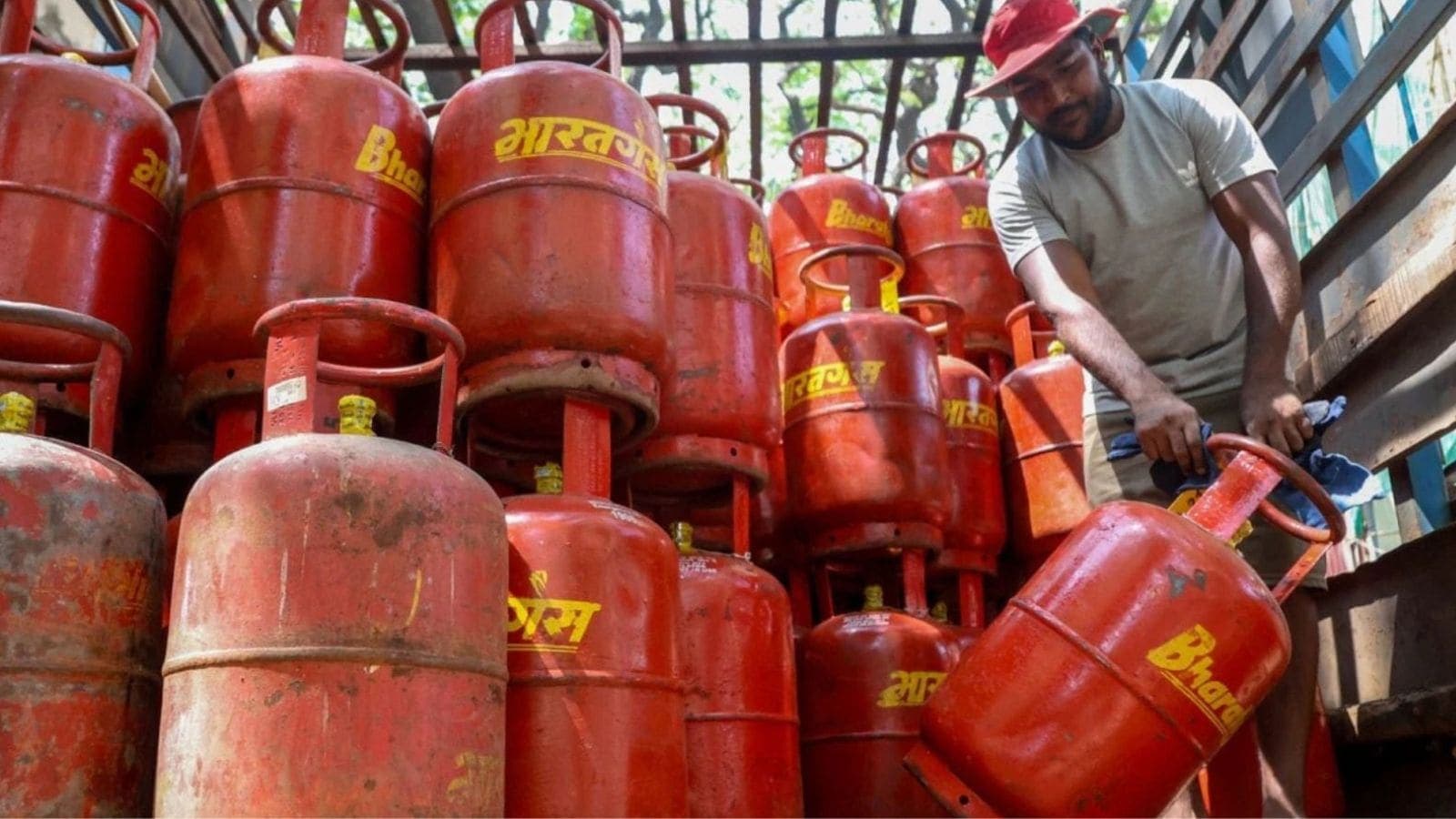
Commercial LPG prices have risen again, with increases of ₹42 in Delhi and ₹53.50 in Kolkata impacting businesses and consumers alike. Find out more.
Indian Express
Discover how a tragic coal mine explosion in Shanxi, China, reveals ongoing safety concerns in the industry amidst a push for green energy.
BBC Business
Montek Singh Ahluwalia highlights key economic challenges for India, emphasizing the need for a strategic approach to balance payments and investment.
Indian Express