
Image: The Hindu
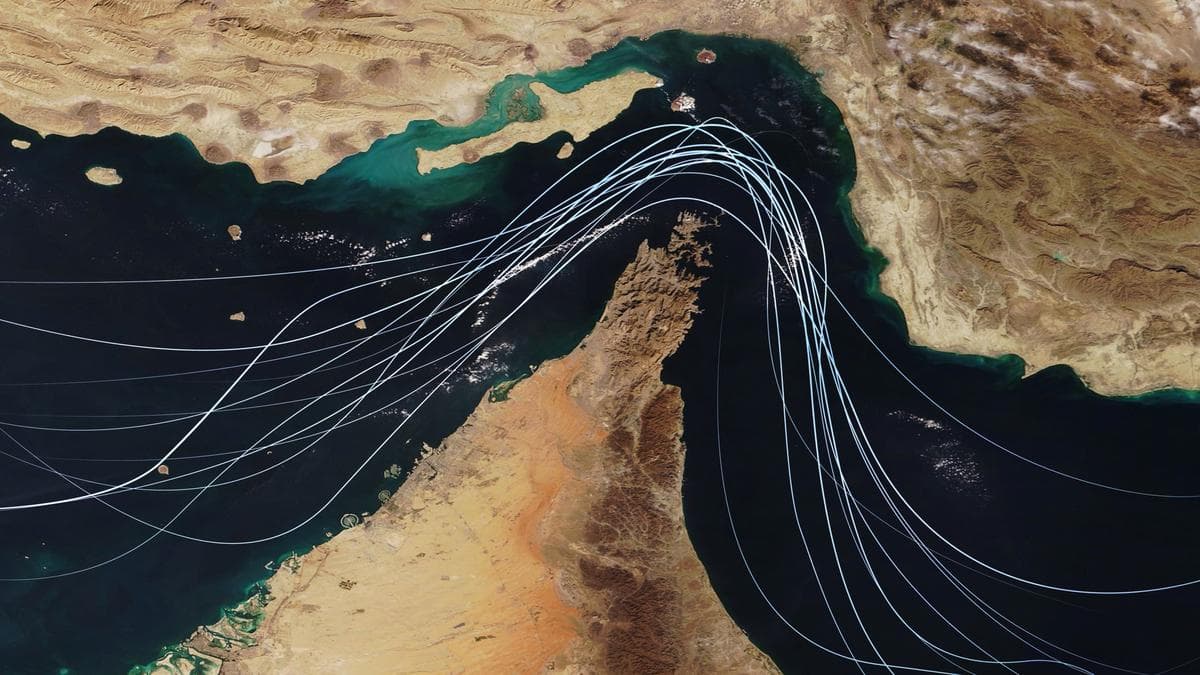
Iran is set to allow Japanese vessels to transit the Strait of Hormuz, crucial for global oil supplies, amid rising tensions due to the U.S.-Israeli conflict.
GlipzoIn a significant development for international trade, Iran has expressed its willingness to allow Japanese vessels to transit through the Strait of Hormuz. This vital maritime route, which is crucial for global oil transportation, has been a focal point of tension amid ongoing conflicts in the region. The announcement was made by Iranian Foreign Minister Abbas Araghchi during a phone interview with Kyodo News on March 20, 2026.
The Strait of Hormuz is a critical chokepoint through which nearly 90% of Japan's oil imports flow. Recently, the strategic waterway has faced closures due to heightened tensions related to the ongoing U.S.-Israeli conflict with Iran. As the situation escalates, global oil prices have surged, prompting Japan and other nations to tap into their oil reserves to mitigate the impact of rising costs on their economies.
In light of the crisis, Japan's government has been actively engaging in discussions with Tehran, aiming to establish a safe passage for its vessels. However, the situation is complex, as Japan's Foreign and Trade Ministries and the Prime Minister’s Office have not issued comments regarding the reported negotiations. The Japanese government understands the precarious nature of the region and the potential risks involved in any military engagement.
The urgency of the matter was underscored by a meeting between U.S. President Donald Trump and Japanese Prime Minister Sanae Takaichi on March 19, 2026. During this summit, President Trump urged Japan to increase its military presence in the region, calling for allied nations to send warships to ensure the safety of maritime operations in the Strait of Hormuz. Prime Minister Takaichi later informed the media that Japan's capacity to provide support is constrained by its postwar pacifist constitution.
Japan's legal framework restricts its military actions significantly, particularly when it comes to overseas combat engagements. Nevertheless, the 2015 security legislation does allow for limited use of force if an attack on a close ally threatens Japan's survival and no alternatives are available. This provision has led to ongoing debates within Japan regarding the extent of its military involvement in foreign conflicts, especially in sensitive regions like the Middle East.
As tensions continue to escalate, the Japanese government is grappling with the need to balance its national security interests and its historical commitment to pacifism. The potential for military engagement in the Gulf poses a delicate situation for Japan, which must navigate international relations while maintaining its constitutional obligations.
The decision by Iran to open the Strait of Hormuz to Japanese vessels could have far-reaching implications for global oil markets and geopolitical stability in the region. The Strait is not only vital for Japan but also for many other countries that rely on this route for their oil imports. With rising tensions, the possibility of a sustained closure could lead to catastrophic outcomes for the global economy, underscoring the importance of diplomatic efforts to secure passage.
The Iranian Foreign Minister's statement signals a potential thaw in hostilities, at least temporarily, providing a glimmer of hope for international shipping and oil markets. As countries like Japan seek to stabilize their energy supplies amid fluctuating prices, the international community will closely monitor the developments in the Strait of Hormuz.
Looking ahead, several key factors will shape the situation in the Strait of Hormuz:
In conclusion, Iran's readiness to allow Japanese vessels to pass through the Strait of Hormuz marks a pivotal moment in the ongoing geopolitical tensions in the region. As the situation develops, stakeholders will be keenly observing the interplay between diplomacy, military strategy, and global economic interests.

Tensions soar as the US and Iran engage in air strikes near the Strait of Hormuz, raising concerns over global oil supply and regional stability.
BBC World
Trump's international interventions face serious stalemates. What will this mean for U.S. foreign policy? Explore the critical challenges ahead.
Indian Express
Tehran denies resignation of President Masoud Pezeshkian amid claims of IRGC influence. What does this mean for Iran's political stability? Click to learn more!
Indian Express