
Image: Indian Express
Iran firmly rejected US demands after 21 hours of talks in Islamabad, raising concerns about regional stability and nuclear commitments.
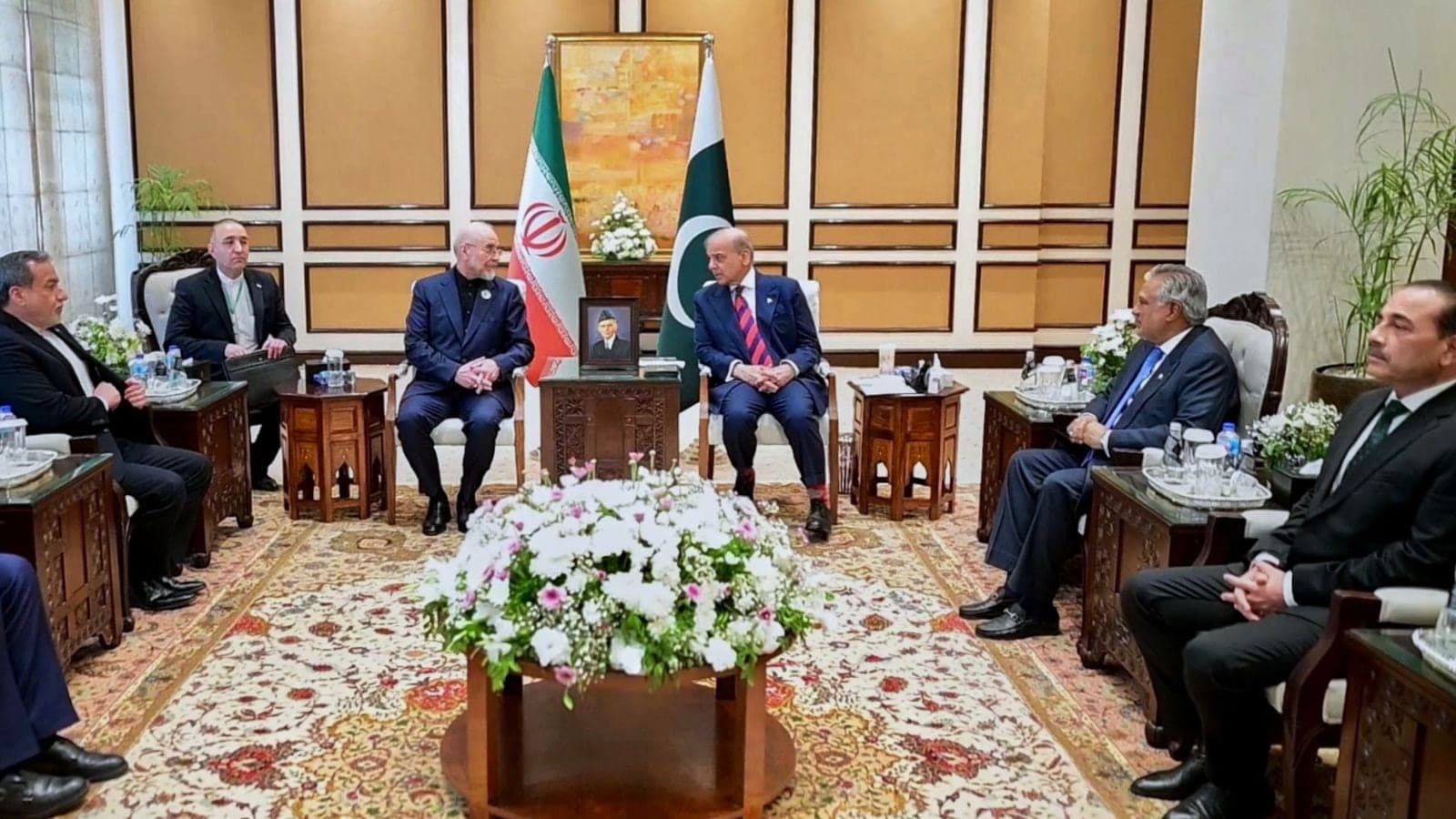
GlipzoIn a dramatic turn of events following nearly 21 hours of contentious discussions in Islamabad, Iran has firmly rejected the demands put forth by the United States. The negotiations, which involved high-level diplomatic efforts, ended without a consensus, leading to contrasting narratives from both Tehran and Washington. The outcome has significant implications for regional stability and ongoing diplomatic relations.
Iran’s embassy in Ghana took to X (formerly Twitter) to declare a resounding “BIG NO” to the US proposals, accusing America of attempting to find an excuse to abandon the dialogue. The statement highlighted Tehran's frustration with what it termed as excessive demands, indicating that the US was seeking concessions it could not achieve through military means.
The urgency of these talks was underscored by the fact that US Vice President JD Vance traveled to Islamabad specifically for this dialogue. However, the outcome left him returning home without an agreement, a clear signal that the issues at hand remain unresolved. The embassy's post emphasized that the Strait of Hormuz, a critical maritime route, remains closed, further complicating the geopolitical landscape in the region.
During a brief address to reporters after the talks concluded, Vice President Vance stated, “We have not reached an agreement… they have chosen not to accept our terms.” He elaborated that the US had put forward what it considered its “final and best offer” and expressed disappointment that Iran did not accept these terms. The crux of the negotiations revolved around Iran’s nuclear program, with Washington seeking a long-term assurance that Tehran would refrain from developing nuclear weapons.
As Vance stated, the US demands included a clear commitment from Iran, not just for the present but extending into the future: “We need to see an affirmative commitment that they will not seek a nuclear weapon, and they will not seek the tools that would enable them to quickly achieve a nuclear weapon.” This insistence on guarantees reflects the enduring concerns of the US and its allies regarding Iran’s nuclear ambitions and their broader implications for regional security.
These talks were conducted under the mediation of Pakistan, highlighting Islamabad's role as a facilitator in complex geopolitical discussions. The ongoing efforts to maintain a ceasefire and work towards a more comprehensive agreement underscore the challenges that lie ahead. Despite the collapse of this particular round of negotiations, both sides recognize the need for continued dialogue to address their differences.
The differing accounts of the talks emphasize the significant gap that remains on crucial issues. Iran views the US's demands as excessive, while the US perceives Iran's refusal to engage meaningfully as a significant barrier to progress. As both nations reflect on the outcome, the potential for future negotiations remains uncertain, and the stakes are high, particularly regarding regional stability and the future of Iran's nuclear ambitions.
The failure of these discussions has far-reaching implications, not only for Iran and the US but also for the broader geopolitical landscape. The Strait of Hormuz, through which approximately 20% of the world's oil supply transits, is a focal point of tension. A closed Strait can lead to increased global oil prices and escalate conflicts in the region, affecting economies worldwide.
Moreover, the lack of agreement reinforces the perception of a deteriorating relationship between the US and Iran, which could embolden hardline factions within Iran that oppose diplomatic engagement. As both nations navigate this complex situation, it will be crucial to monitor how they approach future discussions and the potential for new diplomatic avenues.
Looking ahead, the focus will be on what both the US and Iran choose to do in the aftermath of these failed negotiations. Will they seek to re-engage in dialogue, or will they dig in further into their respective positions? The international community, particularly those nations with vested interests in Middle Eastern stability, will be closely watching for any signs of renewed efforts or escalating tensions.
As both sides consider their next moves, the broader implications for global security and energy markets will remain critical points of concern. The situation remains fluid, and the potential for future developments could dramatically shift the dynamics of US-Iran relations, either towards reconciliation or further confrontation.

Tensions soar as the US and Iran engage in air strikes near the Strait of Hormuz, raising concerns over global oil supply and regional stability.
BBC World
Trump's international interventions face serious stalemates. What will this mean for U.S. foreign policy? Explore the critical challenges ahead.
Indian Express
Tehran denies resignation of President Masoud Pezeshkian amid claims of IRGC influence. What does this mean for Iran's political stability? Click to learn more!
Indian Express