Glipzo
WorldTechnologyBusinessSportsEntertainmentScienceHealthPolitics
Glipzo
WorldTechnologyBusinessSportsEntertainmentScienceHealthPolitics
  1. Home
  2. /
  3. Business
  4. /
  5. Iran Conflict Disrupts Global Commodities Beyond Oil and Gas
Iran Conflict Disrupts Global Commodities Beyond Oil and Gas

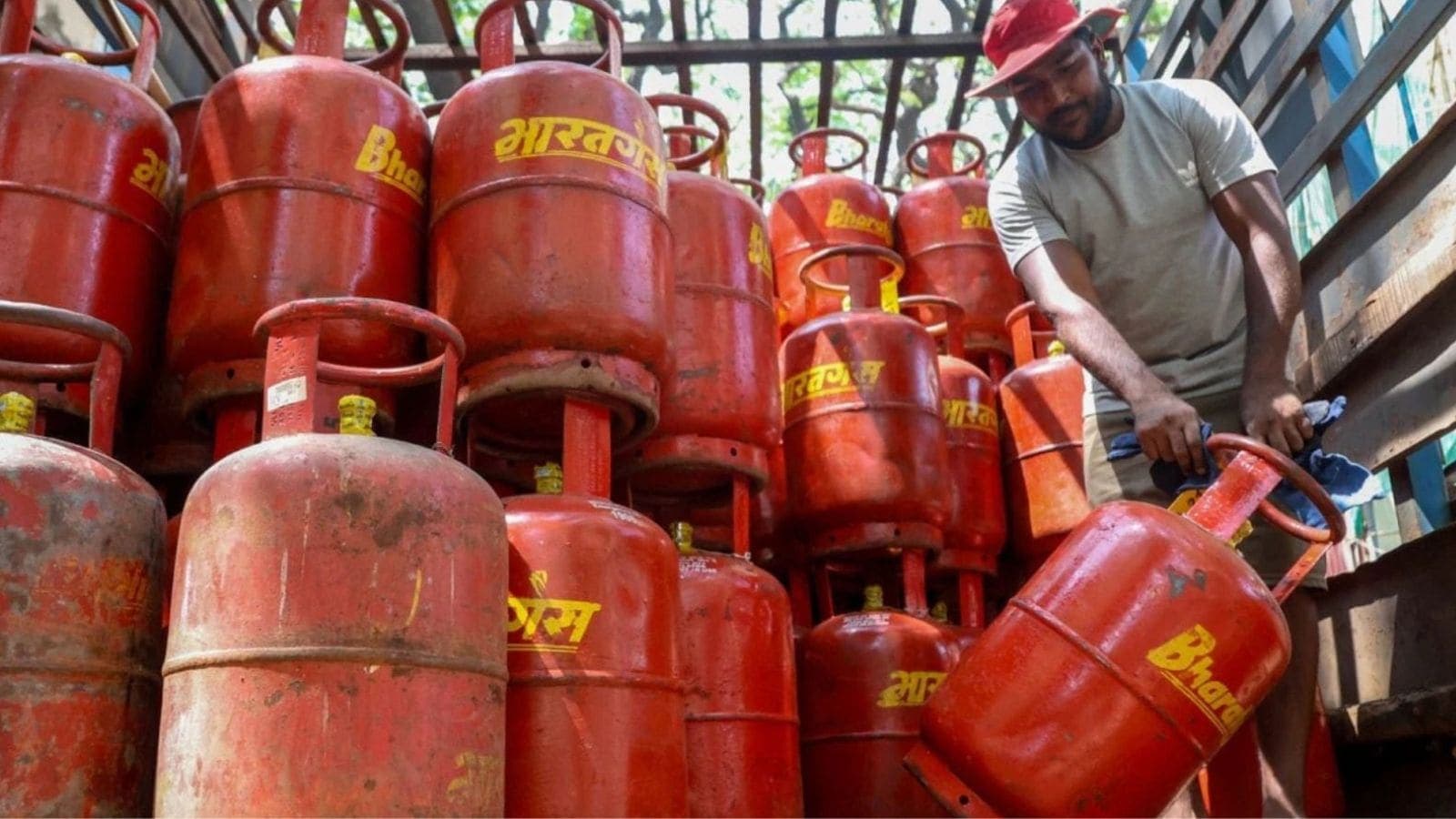
Image: Times of India

Business
Thursday, March 12, 20264 min read

Iran Conflict Disrupts Global Commodities Beyond Oil and Gas

The Iran conflict disrupts global commodities, affecting agricultural products, metals, and more, leading to market volatility and inflation concerns.

Glipzo News Desk|Source: Times of India
Share
Glipzo

Key Highlights

  • Iran conflict impacts global commodities beyond oil
  • Key sectors affected include agriculture and metals
  • Market volatility expected amid rising inflation
  • Countries reassessing diplomatic strategies in response

In this article

  • Iran Conflict: A Catalyst for Global Commodity Disruption
  • Key Commodities Affected by the Iran Conflict
  • The Ripple Effects on Global Markets
  • Geopolitical Implications on Commodities
  • Diplomatic Responses to the Conflict
  • The Future Outlook for Global Commodities
  • Conclusion: Navigating a Complex Landscape
  • Key Highlights - The **Iran conflict** is impacting global commodities beyond just oil and gas. - Key affected commodities include **agricultural products**, **metals**, and **fertilizers**. - The situation is causing **market volatility** and rising inflation worldwide. - Countries are reassessing their **diplomatic strategies** in response to the conflict.
  • Keywords - Iran conflict, global commodities, oil and gas, agricultural products, market volatility
  • Category Business

Iran Conflict: A Catalyst for Global Commodity Disruption

The ongoing conflict in Iran has far-reaching implications that extend well beyond the oil and gas sectors. As tensions rise, markets worldwide are feeling the repercussions, affecting not only energy resources but also several key commodities. The situation escalated significantly in October 2023, when the conflict intensified, prompting analysts to reassess the global supply chain and commodity markets.

Key Commodities Affected by the Iran Conflict

While oil and gas are often the primary focus during such geopolitical tensions, several other commodities are experiencing notable disruptions. These include:

  • **Agricultural Products**: Iran is a significant player in the agricultural market, particularly in the production of saffron, pistachios, and dates. The conflict threatens to destabilize these supplies, impacting global prices.
  • **Metals**: With Iran being a key producer of metals like **copper** and **zinc**, the conflict has raised concerns about supply shortages and increased costs in the global market.
  • **Natural Gas**: The escalating tensions have also caused fluctuations in natural gas prices, particularly in Europe, where reliance on Iranian gas has been a significant factor.
  • **Chemicals**: Iran is a major producer of petrochemicals, and disruptions in this sector could lead to higher prices for various chemical products worldwide.
  • **Cotton**: As a notable player in the cotton market, any disruption in Iranian supply can affect textile prices globally.
  • **Fertilizers**: Iran's role in the production of fertilizers is crucial for global agriculture, and conflicts can lead to reduced availability, further complicating food supply chains.

The Ripple Effects on Global Markets

The consequences of the Iran conflict are not limited to direct commodity impacts; they also extend to broader market dynamics. Investors are becoming increasingly cautious, leading to:

  • **Volatility in Stock Markets**: Uncertainty surrounding the conflict is causing fluctuations in stock prices, particularly in sectors closely tied to commodities, such as energy and agriculture.
  • **Rising Inflation**: As commodity prices increase, inflation is expected to rise, affecting consumers and businesses alike. **Food prices**, in particular, could see significant hikes due to reduced agricultural supplies.
  • **Supply Chain Disruptions**: Increased transportation costs and logistical challenges are resulting in delays and shortages across various industries, further exacerbating inflationary pressures.

Geopolitical Implications on Commodities

The implications of the conflict in Iran extend beyond immediate market reactions. The geopolitical landscape is shifting, with possible long-term effects on how commodities are sourced, traded, and priced. Given Iran's strategic location and its relationships with neighboring countries, any escalation could disrupt trade routes crucial for transporting commodities.

Diplomatic Responses to the Conflict

In response to the ongoing conflict, various nations are reassessing their diplomatic stances. Key developments include:

  • **Sanctions**: The potential for renewed sanctions against Iran could further limit its ability to export key commodities, intensifying global supply constraints.
  • **Alliances**: Countries may seek to strengthen alliances with alternative suppliers to mitigate risks associated with Iranian commodities.
  • **Market Adjustments**: Traders and investors are adapting by diversifying portfolios and looking for alternative sources of commodities to hedge against potential disruptions.

The Future Outlook for Global Commodities

As the situation in Iran continues to evolve, commodities markets will likely remain volatile. Analysts suggest that companies and investors should prepare for:

  • **Increased Price Fluctuations**: Expect ongoing fluctuations in commodity prices as markets react to new developments in the conflict.
  • **Innovative Sourcing Strategies**: Businesses may need to explore innovative sourcing solutions to minimize disruptions to their supply chains.
  • **Sustainability Considerations**: The conflict may push some companies to invest more in sustainable practices, as they look to mitigate risks associated with geopolitical tensions.

Conclusion: Navigating a Complex Landscape

The conflict in Iran has underscored the interconnectedness of global markets and the vulnerability of commodity supplies to geopolitical events. While oil and gas often dominate discussions during such crises, it is crucial to recognize the broader implications for other key commodities. As businesses and investors navigate this complex landscape, staying informed and adaptable will be essential to mitigate risks and seize opportunities in an ever-changing market.
Key Highlights - The **Iran conflict** is impacting global commodities beyond just oil and gas. - Key affected commodities include **agricultural products**, **metals**, and **fertilizers**. - The situation is causing **market volatility** and rising inflation worldwide. - Countries are reassessing their **diplomatic strategies** in response to the conflict.

Keywords - Iran conflict, global commodities, oil and gas, agricultural products, market volatility

Category Business

Did you find this article useful? Share it!

Share

Related Articles

Urgent Call for Waiver: Punjab's Wheat Quality Crisis
Business
Apr 21, 2026

Urgent Call for Waiver: Punjab's Wheat Quality Crisis

Punjab's procurement agencies demand a waiver on storage gain norms due to severe wheat quality issues. Urgent government action is essential!

Indian Express
Nifty, Sensex Steady Amid U.S.-Iran Peace Talks Insights
Business
Apr 21, 2026

Nifty, Sensex Steady Amid U.S.-Iran Peace Talks Insights

Indian equity benchmarks opened flat as investors monitor U.S.-Iran peace talks and await quarterly earnings. What’s next for the markets?

Indian Express
Trump's Tariff Refunds Begin, But Consumers Left Behind
Business
Apr 21, 2026

Trump's Tariff Refunds Begin, But Consumers Left Behind

Trump's historic tariff refund program begins, but consumers may miss out. Will businesses share the wealth? Discover the implications of this development.

BBC Business

Categories

  • World
  • Technology
  • Business
  • Sports

More

  • Entertainment
  • Science
  • Health
  • Politics

Explore

  • Web Stories
  • About Us
  • Contact

Legal

  • Privacy Policy
  • Terms of Service

© 2026 Glipzo. All rights reserved.