
Image: BBC World
Discover how India's upcoming generics for weight-loss drugs could revolutionize obesity treatment, making it affordable and accessible for millions.
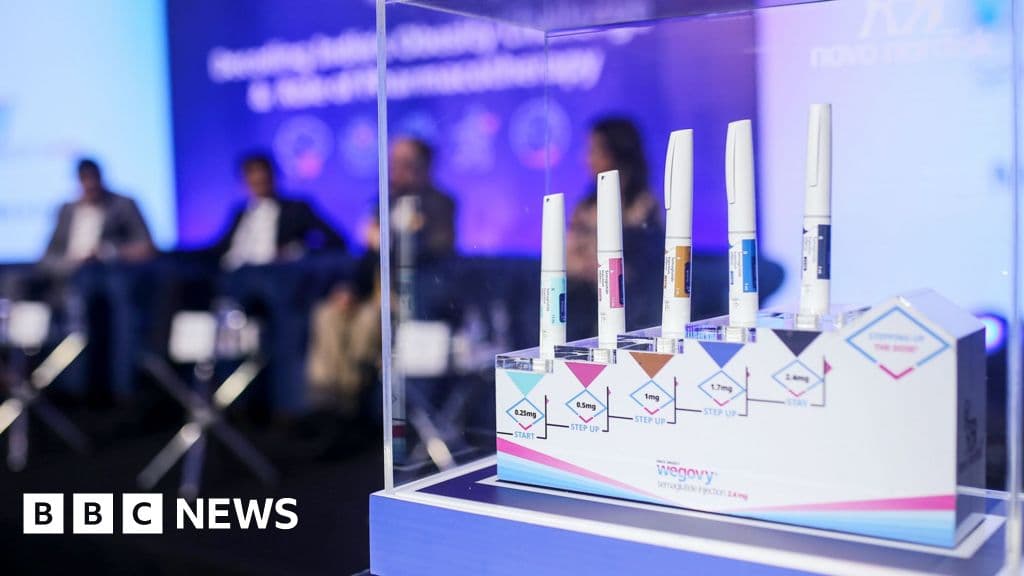
GlipzoIndia is on the brink of a significant transformation in its approach to weight management, particularly as it prepares to welcome affordable alternatives to expensive weight-loss medications. On Friday, the patent for semaglutide, the active ingredient in Novo Nordisk's renowned weight-loss drugs, Wegovy and Ozempic, will expire in India. This pivotal moment opens the door for local pharmaceutical companies to introduce affordable generic versions of these drugs, potentially revolutionizing access to weight-loss treatments across the nation.
The implications of this development are profound. An investment bank, Jefferies, has even referred to this moment as a potential "magic-pill moment" for India, forecasting that this market could soar to $1 billion domestically if price points are favorable and consumer uptake is strong. With analysts projecting that as many as 50 generic versions of semaglutide could hit the market in the coming months, India's competitive pharmaceutical landscape is set for a major shake-up.
India's pharmaceutical sector, valued at approximately $60 billion, is poised for remarkable growth, potentially doubling by 2030. This growth is largely attributed to the country's robust generics market, which has proven itself adept at rapidly producing alternative versions of off-patent drugs. A parallel can be drawn to the recent entry of generics following the patent expiration of the diabetes medication, sitagliptin, which saw around 30 branded versions released within a month and nearly 100 within a year.
The urgency for generics in the Indian market is clear. Semaglutide was originally developed as a treatment for diabetes but has gained significant attention for its weight-loss capabilities, delivering results that surpass many previous options. Classified as a GLP-1 receptor agonist, these medications work by mimicking a hormone that regulates appetite and blood glucose levels. By promoting insulin secretion and delaying stomach emptying, they help users feel satiated more quickly and for longer durations.
As the patent expiry approaches, several prominent Indian pharmaceutical companies are gearing up to launch their versions of semaglutide. Notable names in this endeavor include Cipla, Sun Pharma, Dr Reddy's Laboratories, Biocon, Natco, Zydus, and Mankind Pharma. According to insights from Sheetal Sapale, vice-president at Pharmarack, these companies are already in the pipeline to introduce branded generics, with the expectation that the competitive landscape will lead to a significant drop in prices.
Currently, the monthly costs for treatments like Ozempic range from 8,800 to 11,000 rupees (approximately $95-$119), while Wegovy can be priced between 10,000 to 16,000 rupees (about $108-$173). However, with the anticipated entry of generics, these costs could plummet to somewhere between 3,000 to 5,000 rupees (about $36-$54) per month, making the drugs far more accessible.
The market for anti-obesity medications in India has already seen substantial growth, increasing from around $16 million in 2021 to nearly $100 million today, according to Pharmarack. This surge has been propelled by the 2022 launch of Rybelsus, the first oral version of semaglutide, which has further popularized the use of GLP-1 drugs in the country.
The escalating demand for these medications corresponds with a larger health crisis in India, where over 77 million individuals suffer from type-2 diabetes and a significant portion of the population is classified as overweight. Factors contributing to this trend include increasingly urban lifestyles, carbohydrate-rich diets, and sedentary habits.
For medical practitioners, the availability of affordable GLP-1 drugs could soon become a crucial tool in combating these health issues. Weight-loss drugs are expanding their reach beyond traditional endocrinology clinics, with cardiologists employing them to prepare patients for surgeries like angioplasty, and orthopedic surgeons recommending them to reduce strain on joints prior to knee operations.
Muffazal Lakdawala, a bariatric surgeon based in Mumbai, expresses optimism regarding the impending availability of these drugs. He emphasizes how significantly cheaper alternatives will enhance access for India's large population grappling with diabetes and obesity. Previously, access to injectable GLP-1 medications was restricted due to high costs and limited availability. Now, with generics on the horizon, a more extensive patient base could benefit.
However, Lakdawala also offers a note of caution regarding the quality of these generics. As the market expands, ensuring that patients receive safe and effective medications will be critical.
The potential rise of affordable weight-loss medications in India represents a crucial development not only for public health but also for the broader global fight against obesity. As prices decrease and access improves, millions could benefit from treatments that were previously out of reach. This shift may also spur similar movements in other countries, prompting a reevaluation of how obesity is treated worldwide.
As India prepares for the influx of semaglutide generics, stakeholders will be watching closely to see how this competition unfolds. Key elements to monitor include pricing structures, regulatory standards for generics, and the overall impact on public health. With the right strategies in place, India's weight-loss drug revolution could pave the way for a healthier future, not just in the country, but across the globe.

Shocking findings from Nottingham's maternity unit reveal a toxic culture and alarming neglect. What can be done to improve care? Discover the details.
BBC Health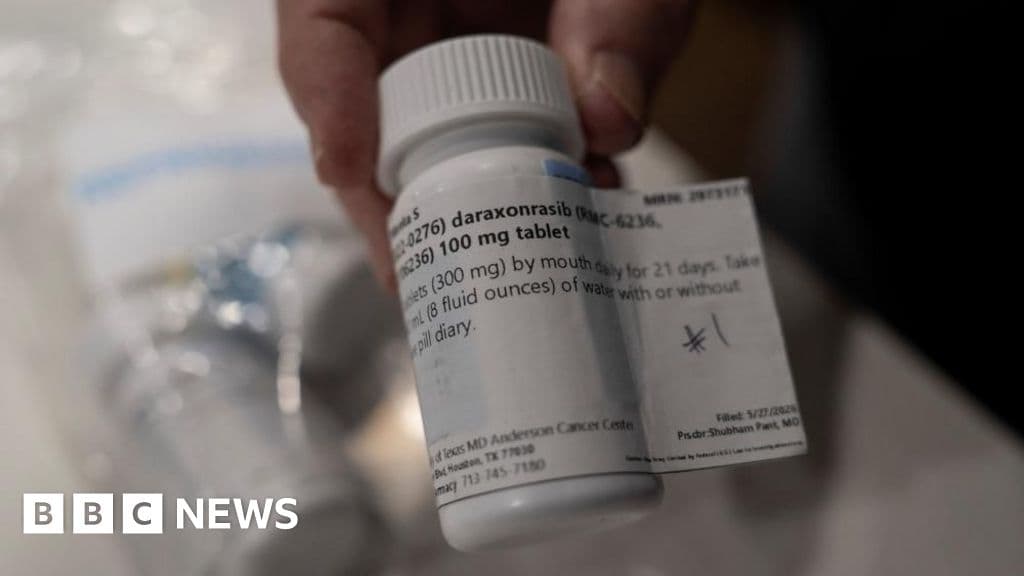
Discover how daraxonrasib, a new pill, is nearly doubling survival rates for pancreatic cancer patients, offering hope in a challenging battle against this deadly disease.
BBC Health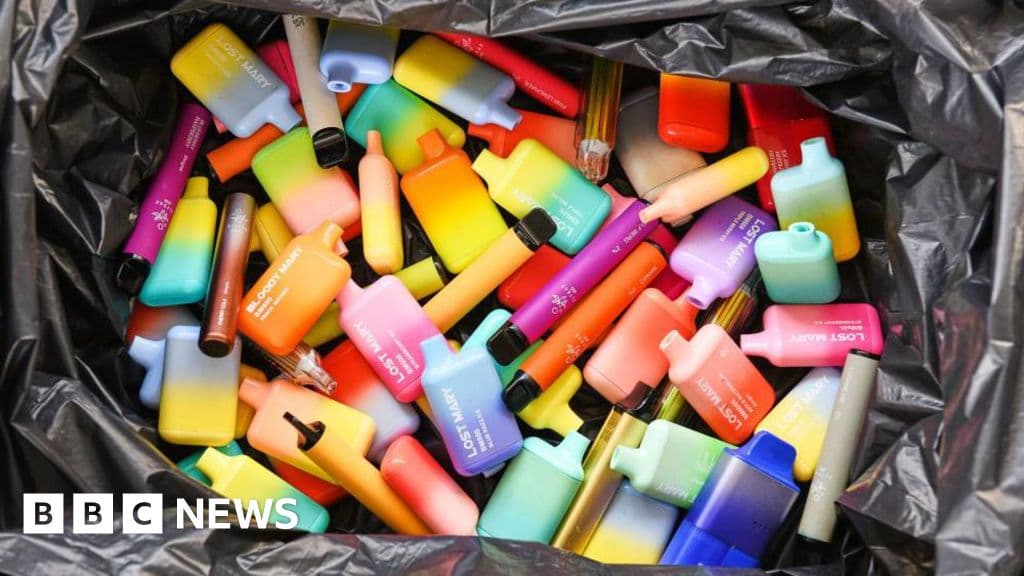
Waste companies propose a £5 deposit on vapes to encourage proper disposal and curb littering as the environmental impact of vapes increases.
BBC Business