
Image: Mint (Business)
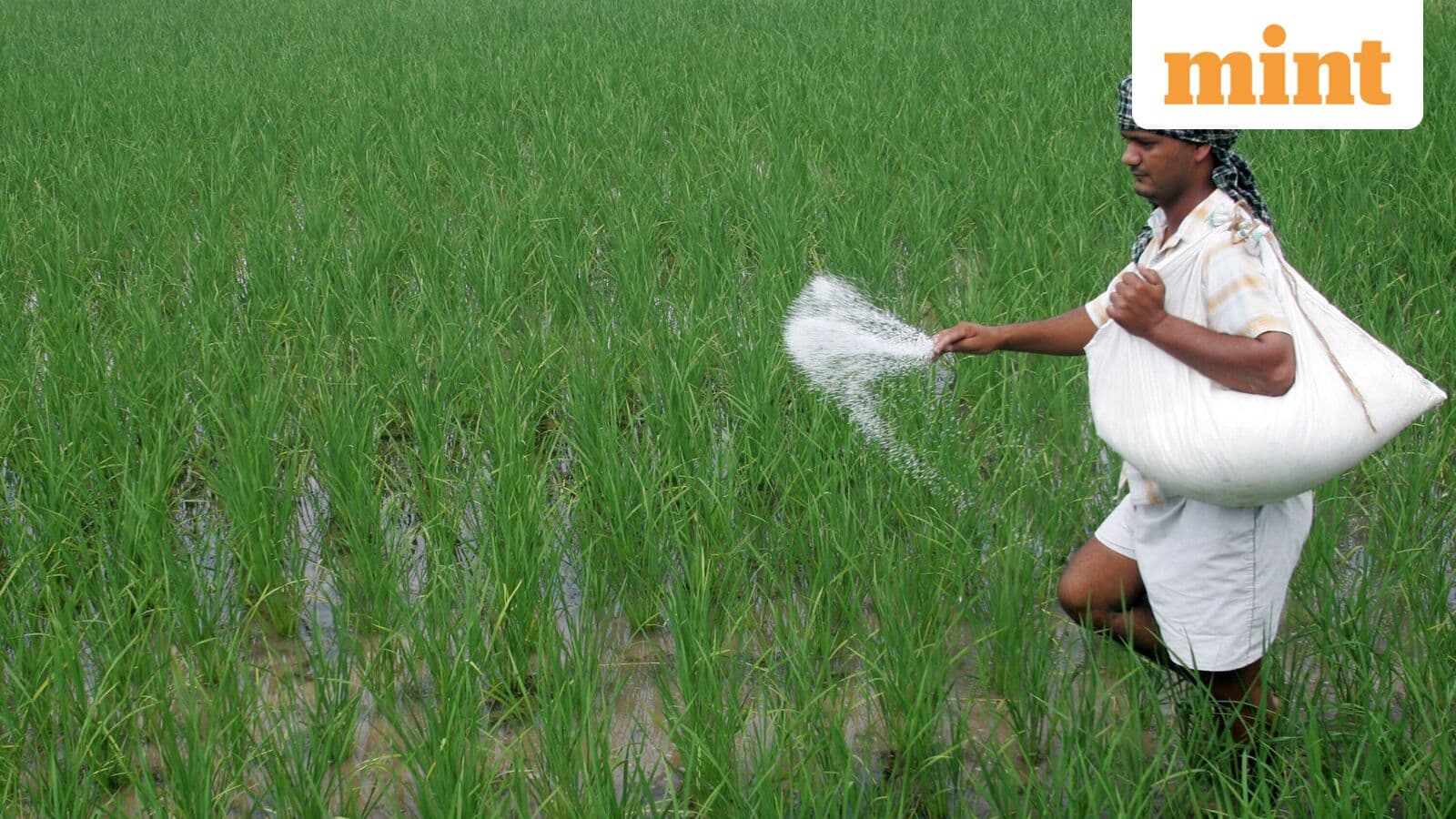
Discover how India is diversifying its fertilizer imports amid geopolitical tensions. What does this mean for the future of agriculture in the nation?
GlipzoA senior official involved in the discussions revealed that Russia and China have become increasingly vital suppliers of urea this fiscal year. “Their supplies are likely to further increase along with other sources. It has become imperative to hedge with alternative sources,” the official stated, requesting anonymity to discuss sensitive negotiations.
Key countries emerging as alternative sources include: - Morocco - Jordan - Saudi Arabia - Russia - Belarus - China
The spokesperson emphasized that diversifying supplies can help mitigate the risks of disruption from any single region. This is particularly important as India’s domestic urea production has dropped by 3.2% over the first nine months of the current fiscal year, leading to increased dependence on imports.
Experts suggest that increasing imports of liquefied natural gas (LNG) from countries such as Russia, Australia, the United States, and Canada could help India reduce its dependency on a limited number of suppliers. Sachchida Nand, a Visiting Professor with the Indian Council for Research on International Economic Relations (ICRIER), stated, “Diversification is essential to reduce excessive dependence on a few countries, particularly in geopolitically volatile regions.”
For a nation that is the world's second-largest consumer of fertilizers, this concentration of supply has become a strategic vulnerability. As geopolitical tensions continue to simmer, experts are raising alarms about the implications of such dependencies.
Despite the challenges, there is cautious optimism about the future. India has the potential to expand its sourcing networks and lessen its reliance on a handful of countries. Additionally, the government’s proactive stance in coordinating with various stakeholders indicates a commitment to ensuring stability in fertilizer supply during critical agricultural periods.
The fertilizer landscape is changing rapidly, and India's ability to adapt will not only impact its agricultural sector but also its economic stability. The stakes are high, and the upcoming months will be pivotal in determining the path forward for this vital industry.
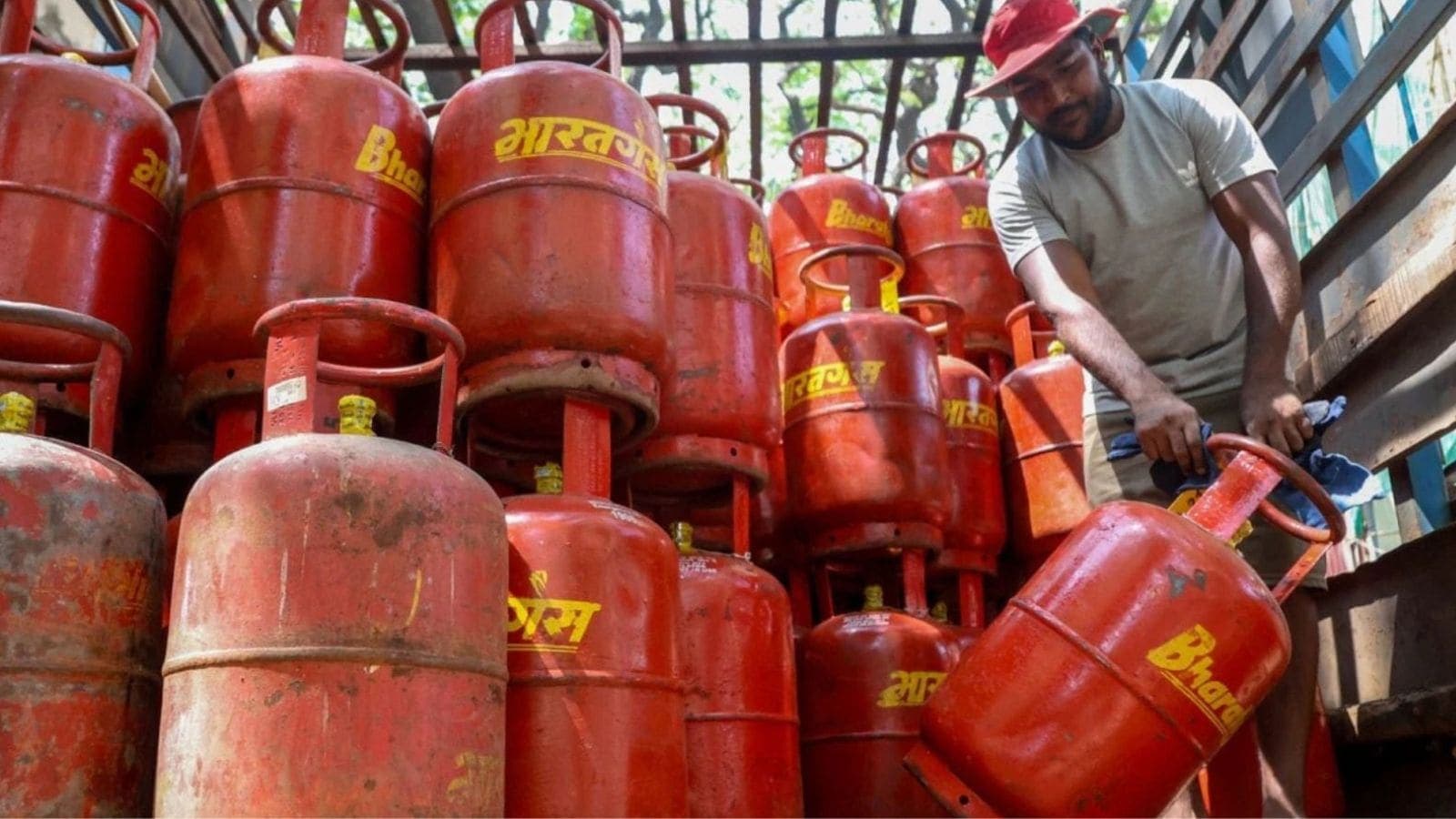
Commercial LPG prices have risen again, with increases of ₹42 in Delhi and ₹53.50 in Kolkata impacting businesses and consumers alike. Find out more.
Indian Express
Discover how a tragic coal mine explosion in Shanxi, China, reveals ongoing safety concerns in the industry amidst a push for green energy.
BBC Business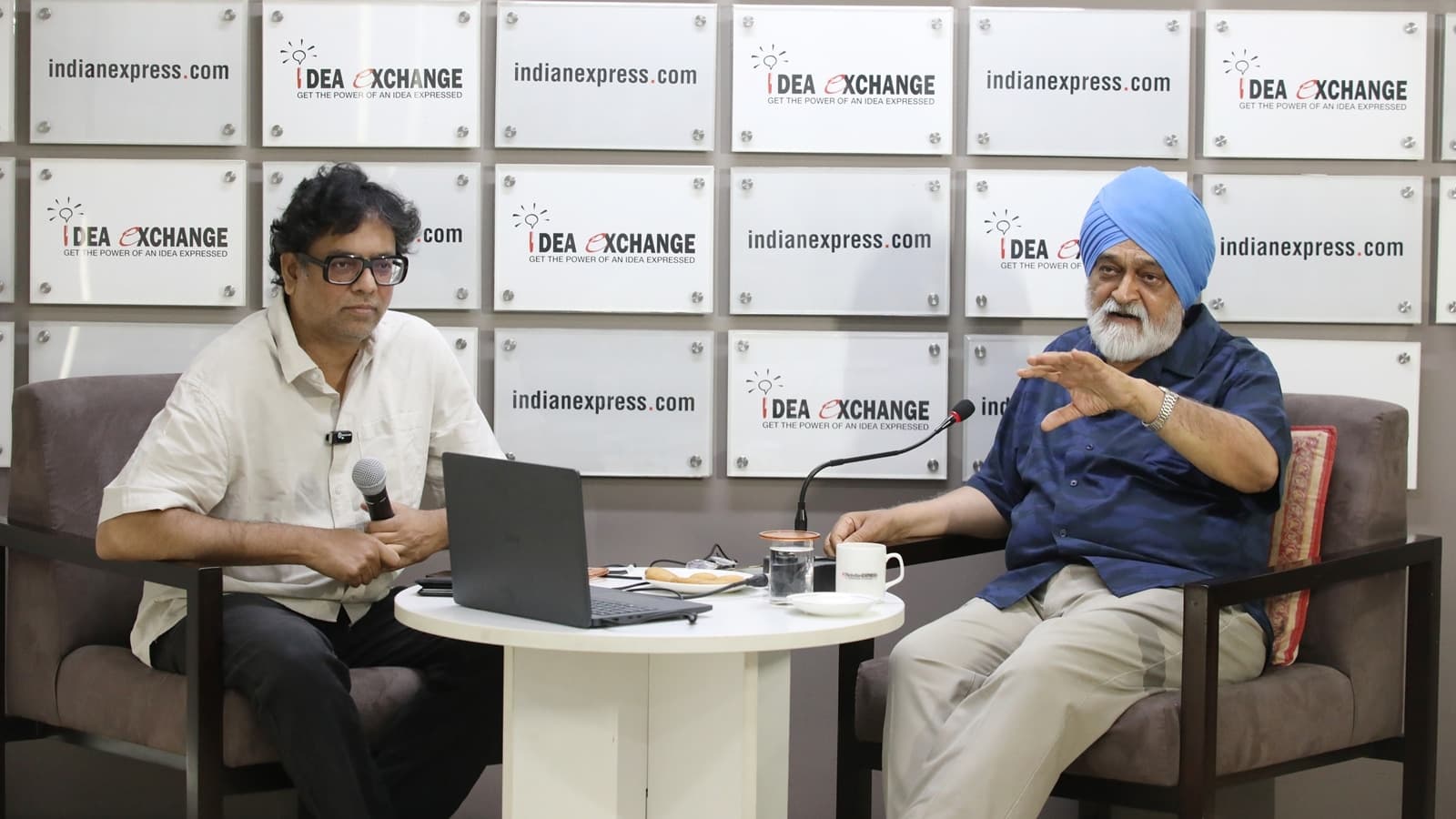
Montek Singh Ahluwalia highlights key economic challenges for India, emphasizing the need for a strategic approach to balance payments and investment.
Indian Express