

AI Generated
India's energy strategy faces scrutiny as tensions in the Strait of Hormuz highlight the need for a balanced approach between oil and renewable sources.
GlipzoIn a time when geopolitical tensions are on the rise, particularly in the Strait of Hormuz, India's oil and gas sector faces significant scrutiny. This crucial waterway, through which approximately 20% of the world's oil passes, has become a focal point for energy security discussions. Recent events have highlighted the vulnerabilities in India's approach to energy management, raising questions about the nation's long-term strategic planning regarding fossil fuels.
For over two decades, India has placed considerable emphasis on renewable energy sources, often at the expense of its oil and gas sector. This shift was largely influenced by a Western narrative that aimed to demonize fossil fuels in favor of green energy alternatives. While the commitment to sustainable energy is commendable, the neglect of traditional energy sources has left India exposed to global energy market fluctuations.
The growing reliance on imports for oil and gas has made India more vulnerable to external shocks, particularly from regions marked by instability. The Strait of Hormuz, a critical chokepoint for oil shipments, has seen increased military tensions and threats that can disrupt supply lines, impacting global oil prices and, consequently, India's economy.
As the situation in the Middle East evolves, India must reassess its energy security strategy. Energy independence is vital for the nation’s economic stability and growth. Some key areas that require immediate attention include:
The government must prioritize policies that support the development of the oil and gas industry while continuing to pursue renewable energy goals. A balanced approach will ensure that India can navigate the complexities of the global energy landscape without compromising its economic interests.
The dynamics in the Strait of Hormuz are not only a regional concern but also a global issue that affects oil prices worldwide. Recent incidents, such as military confrontations and threats from regional actors, have underscored the need for countries to have a comprehensive energy strategy. For India, the implications are profound:
India must engage diplomatically with key oil-producing nations while also investing in technology that can enhance domestic production capacities.
To navigate this precarious situation effectively, India needs to adopt a multi-faceted energy strategy. This strategy should focus on:
1. Investing in Technology: Advanced technologies in oil extraction and processing can boost domestic production. 2. Enhancing Infrastructure: Upgrading refineries and distribution networks can improve efficiency and lower costs. 3. Engaging in International Partnerships: Collaborating with other nations on energy projects can provide access to resources and expertise. 4. Promoting Energy Efficiency: Encouraging energy conservation initiatives among consumers and industries can reduce overall demand for imports.
By adopting these strategies, India can work towards achieving a more resilient energy framework that accommodates both traditional and renewable energy sources.
The current geopolitical turmoil highlights the urgent need for India to reevaluate its energy policies. While the shift towards renewable energy is essential for long-term sustainability, the immediate focus must be on strengthening the oil and gas sector. By investing in domestic capabilities, diversifying energy sources, and enhancing strategic reserves, India can mitigate risks associated with external supply disruptions.
As the global energy landscape continues to evolve, India must be prepared to adapt and respond effectively. The lessons learned from the tension in the Strait of Hormuz could shape the future of the nation’s energy strategy, ensuring economic stability and growth in the face of uncertainty.
---
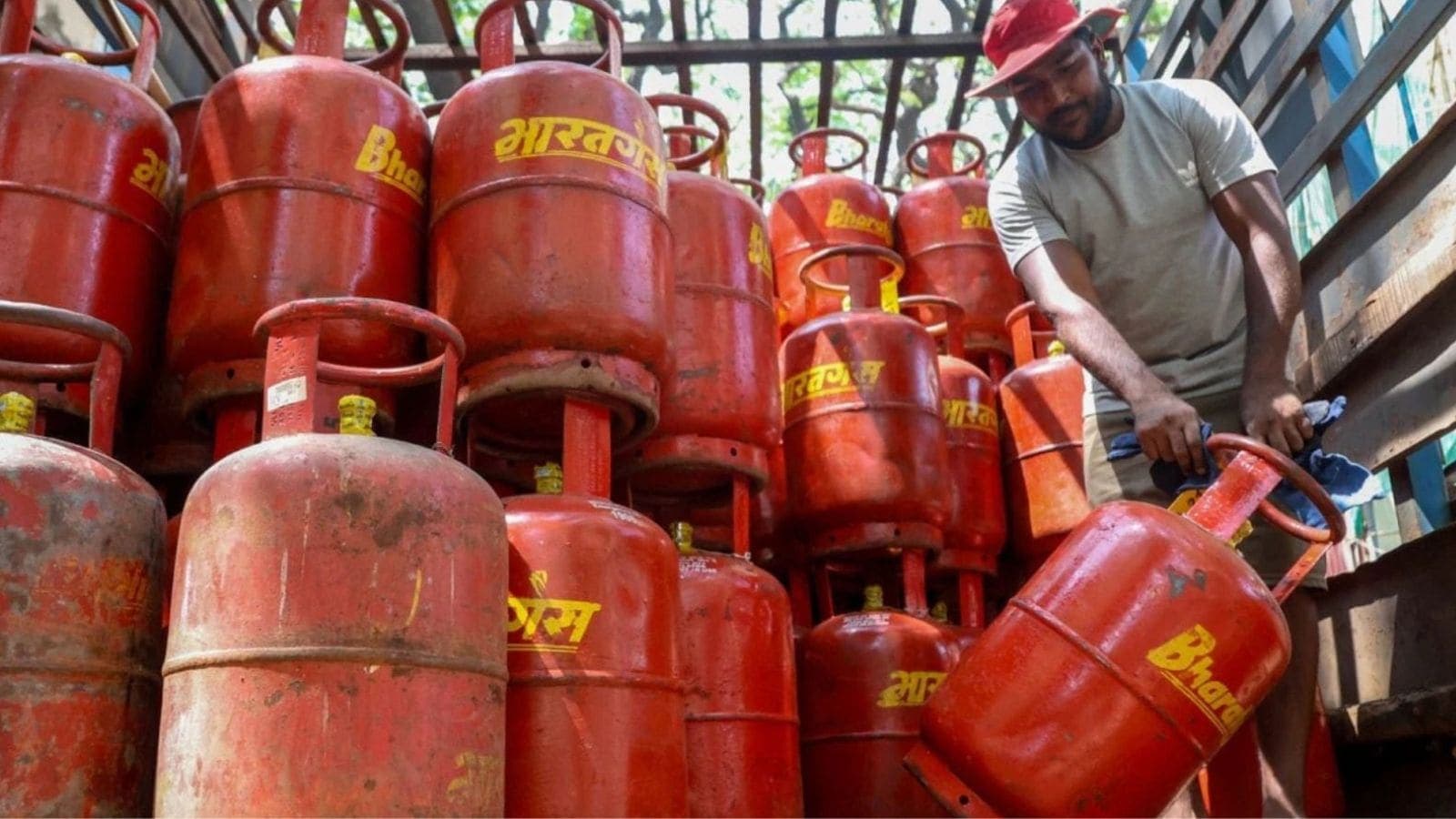
Commercial LPG prices have risen again, with increases of ₹42 in Delhi and ₹53.50 in Kolkata impacting businesses and consumers alike. Find out more.
Indian Express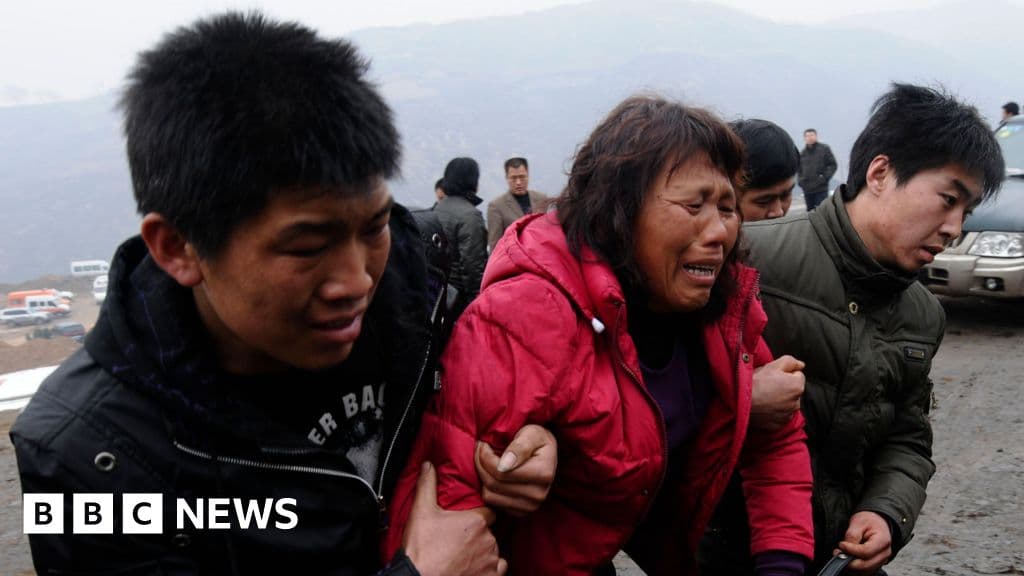
Discover how a tragic coal mine explosion in Shanxi, China, reveals ongoing safety concerns in the industry amidst a push for green energy.
BBC Business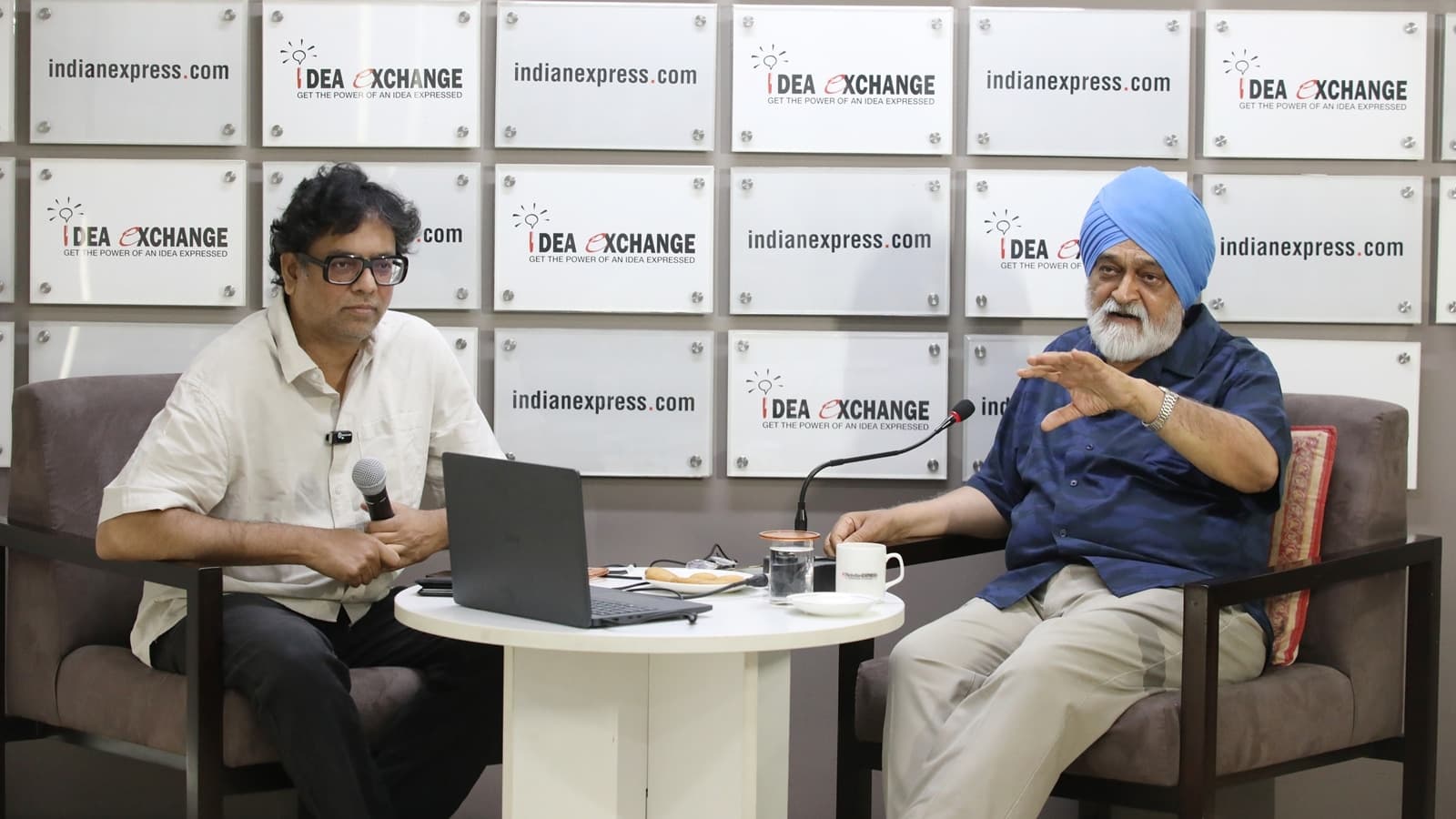
Montek Singh Ahluwalia highlights key economic challenges for India, emphasizing the need for a strategic approach to balance payments and investment.
Indian Express